
Making your own cat food lets you pick fresh items and cut costs. It gives you control over what goes into meals. Check with a vet first to make sure it fits your cat’s needs. These recipes use basic items and keep things simple. They come from trusted sites and focus on balance.
Why Make Cat Food at Home?
Store-bought options can add up in price. Home versions often cost less when you buy in bulk. You avoid fillers and know every part. Vets stress adding key nutrients like taurine. Start slow to see how your cat reacts.
Tips Before You Start
Talk to a vet about supplements. Cats need meat as main fuel. Watch for allergies. Store meals in fridge for a few days or freeze them. Use clean tools to stay safe. For quick checks on ingredient safety, try our pet food safety checker. If you notice any symptoms after trying new recipes, use the pet symptom checker for guidance.
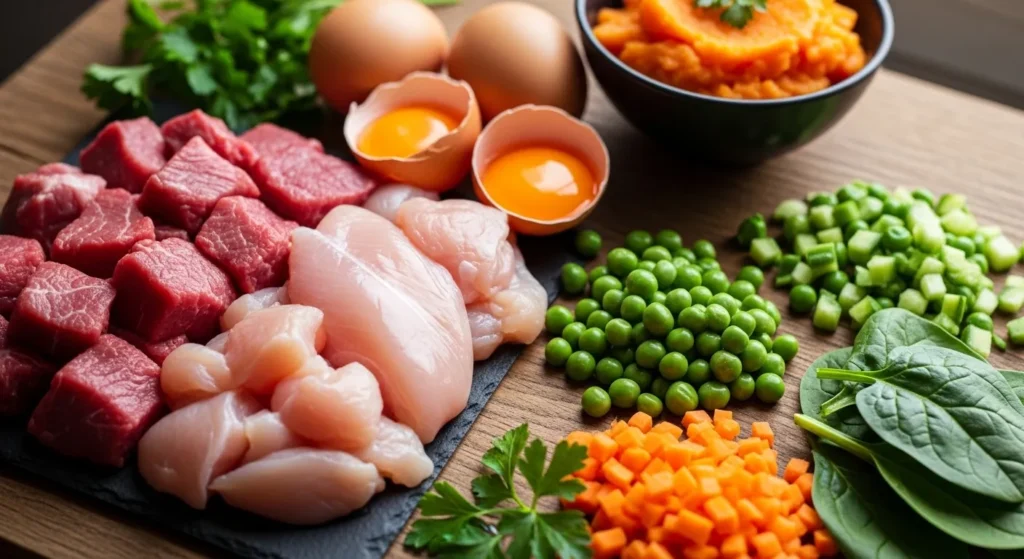
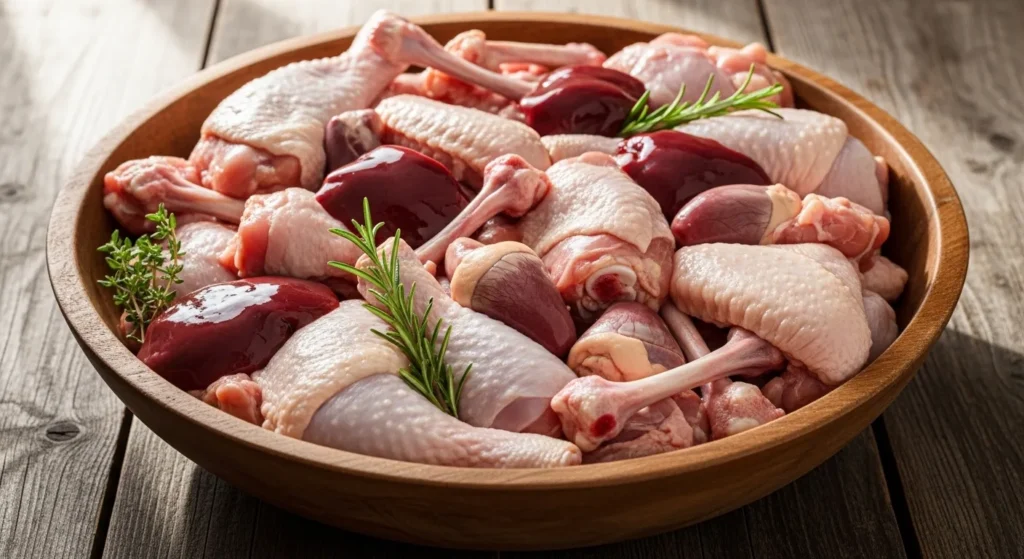
Recipe 1: Raw Meat Blend
This mix copies a wild diet with different meats. It uses lean cuts, organs, and a touch of fish.
Ingredients:
- Lean red and white meats
- Organ parts
- Bone-in pieces
- Small amount of fish
- Vet-suggested adds like B vitamins, vitamin E, fiber from plants, sea plant powder, and minerals
Steps: Cut meats and fish into small bits. Blend in adds as your vet says.
It helps with a natural meat focus. Good for active cats. Lasts in fridge.
Keep an eye on full nutrient mix. Ask vet for exact adds.
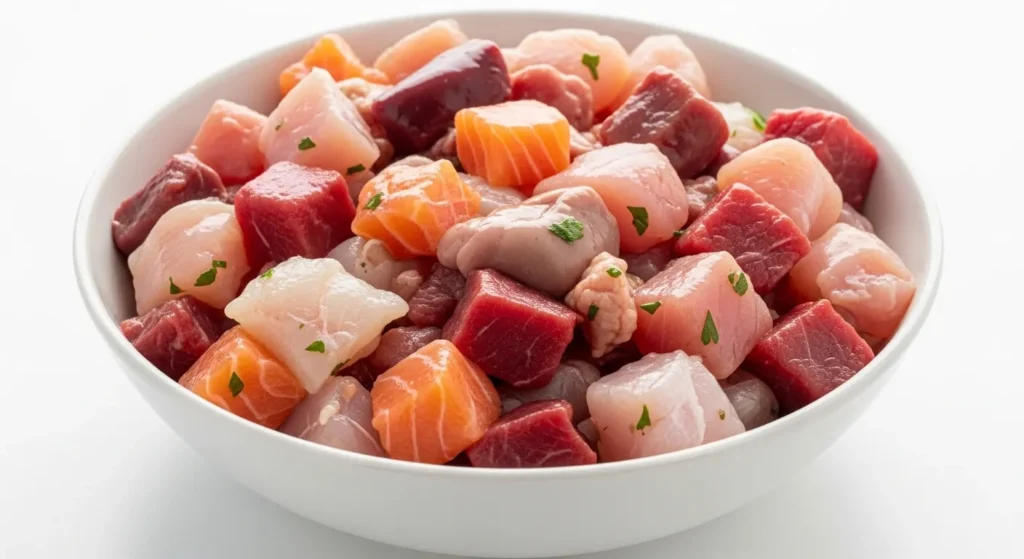
Recipe 2: Oven-Cooked Chicken Legs
A cooked choice with poultry base. Easy to store.
Ingredients:
- 3 pounds chicken legs
- Few ounces liver if wanted
- Egg whites
- Water
- Fish oil
- Suggested supplements
Steps: Cook legs in oven. Take meat off bones. Grind it. Stir in whites, water, oil, and liver. Mix in supplements.
Offers protein from poultry. Keeps well chilled. Learn more about if cats can eat chicken safely.
Use oil from capsules if no bottle. Follow add guidelines.
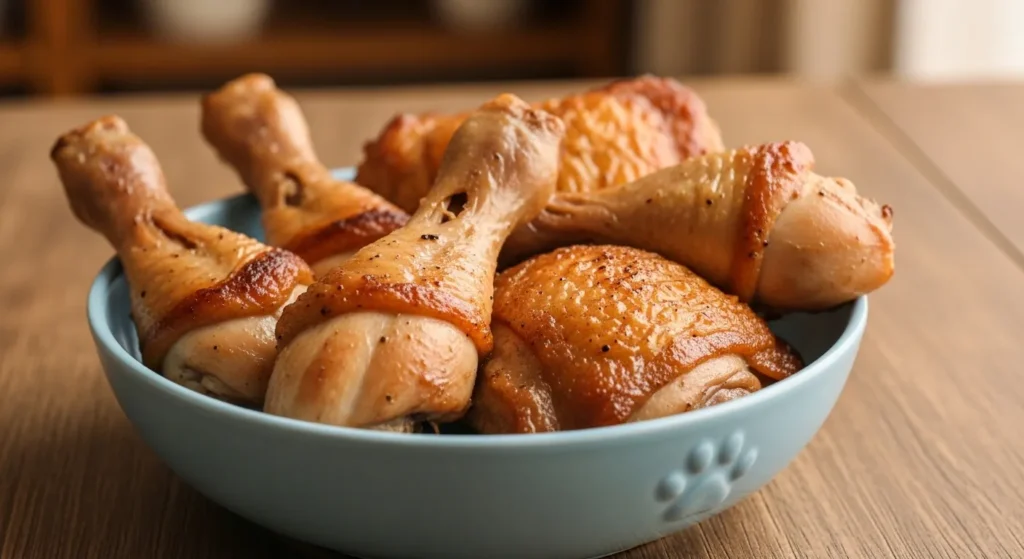
Recipe 3: Beef with Grain Fiber
Quick beef dish with added fiber.
Ingredients:
- 7 ounces beef
- 1 egg yolk
- 1 tablespoon grain powder like barley
Steps: Cook beef and remove fat. Chop it. Blend with yolk and powder.
Gives protein and easy fiber. Takes 20 minutes.
Fine for fiber needs. Check for reactions.
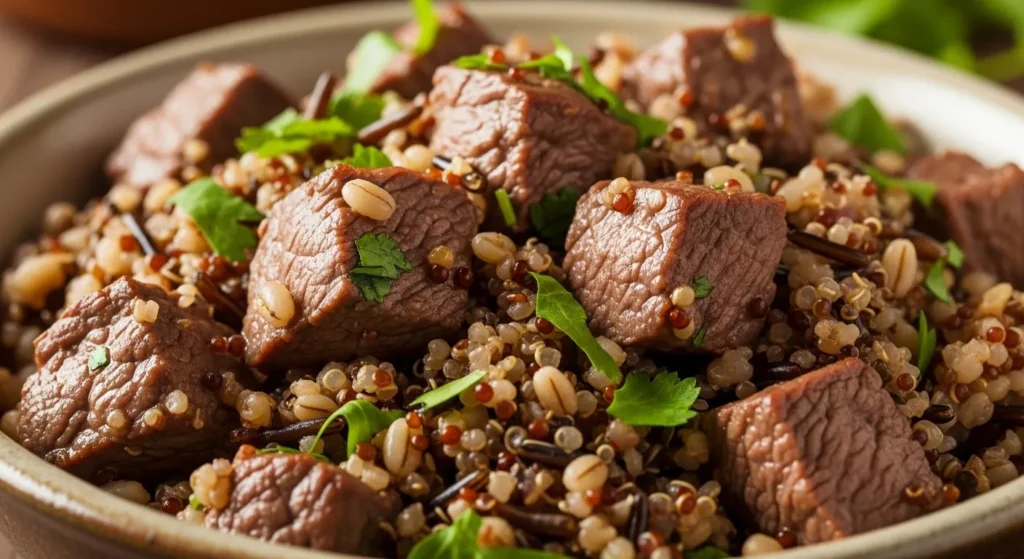
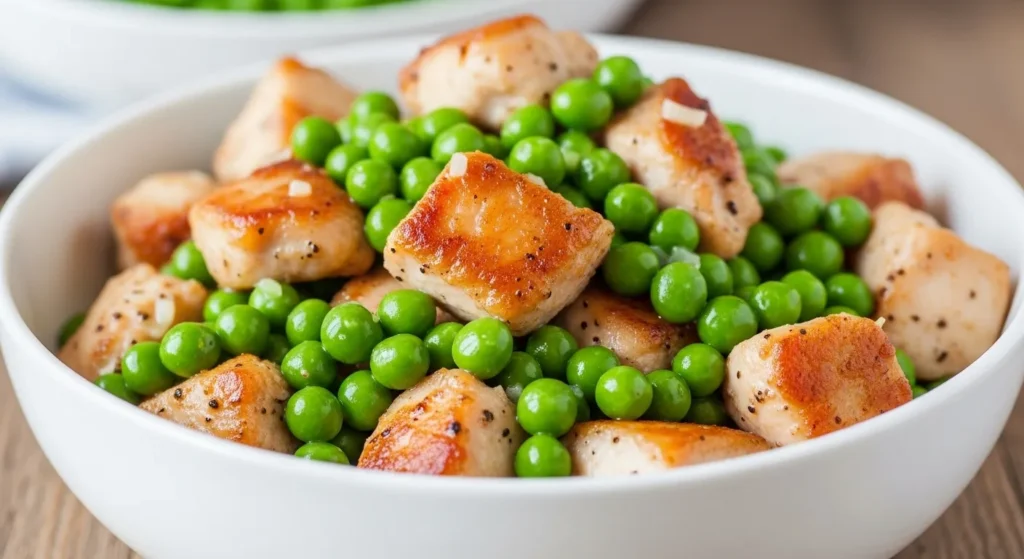
Recipe 4: Poultry and Veggie Pair
Simple chicken with green add.
Ingredients:
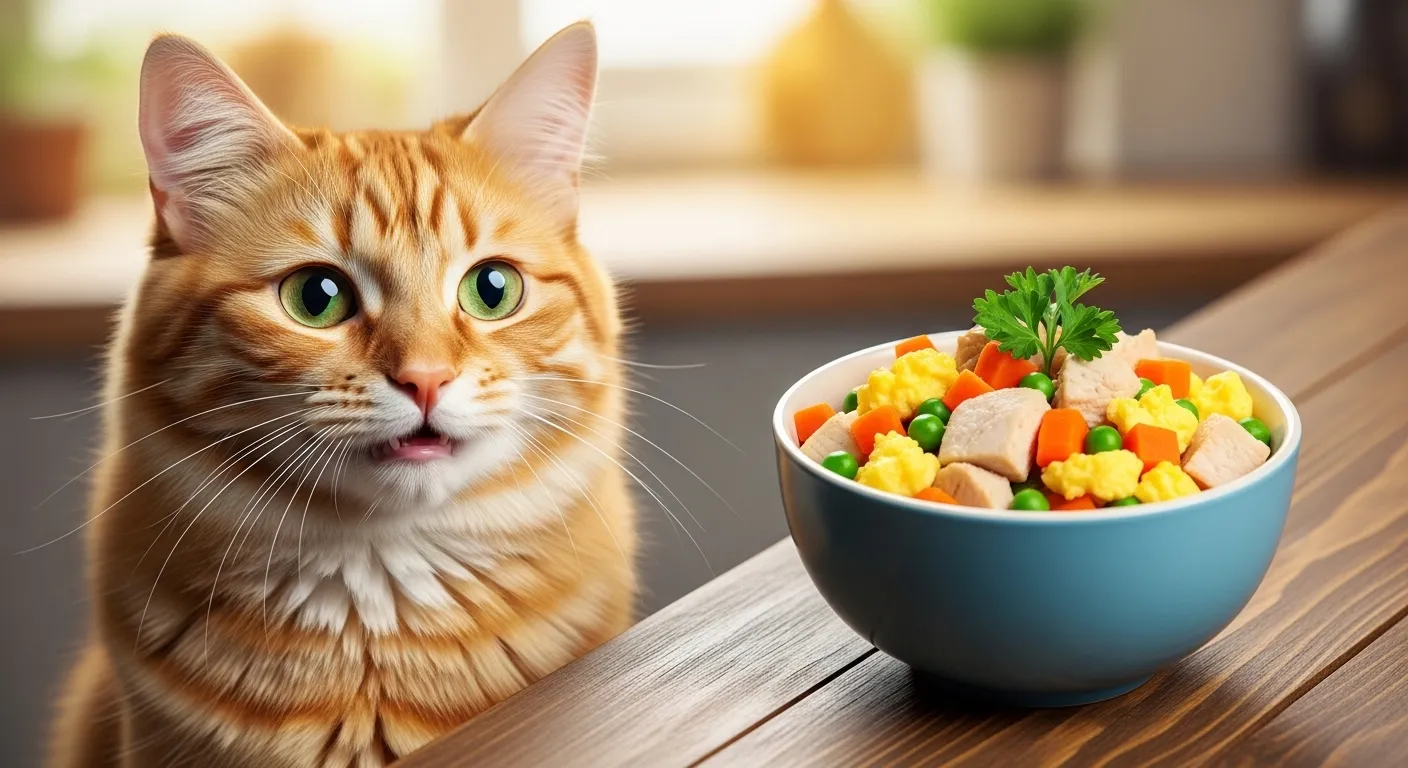
- 7 ounces chicken
- 3.5 ounces peas
- Oil rich in omega-3 like salmon or olive
Steps: Cook chicken fully. Prep peas. Chop or blend chicken. Stir in peas and oil.
Adds fiber from plants and good fats.
Use ready peas to save time.
Recipe 5: Basic Meat Broth
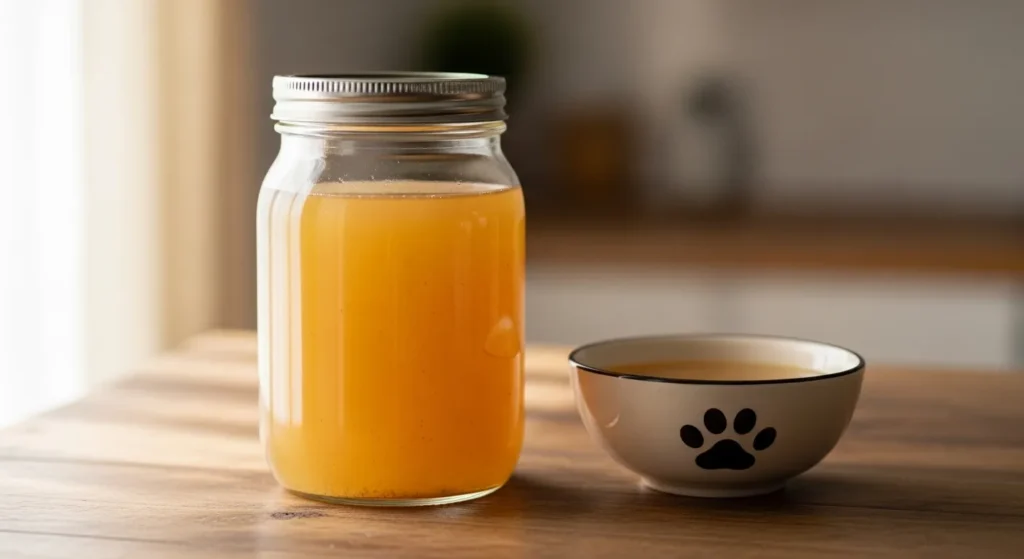
Topper to make meals better.
Ingredients:
- Plain meat pieces
- Water
Steps: Put meat in pot. Cover with water. Boil then simmer 2-3 hours. Pour over food.
Helps picky eaters. Works with dry food.
No spices. Just for taste boost.
Recipe 6: Turkey Pumpkin Mash
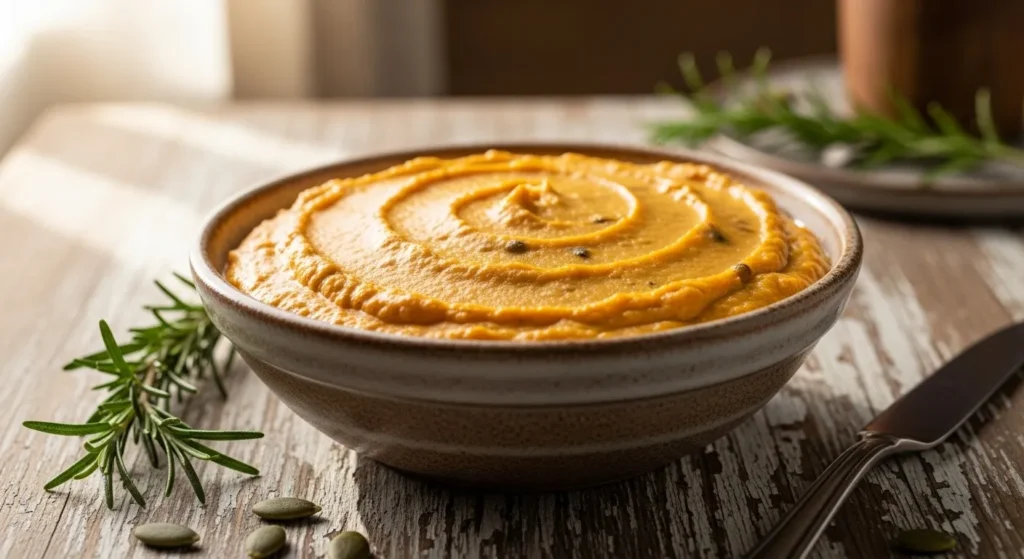
Vet-backed pate with fall twist.
Ingredients:
- 1 pound ground turkey
- 2 tablespoons coconut oil
- 1 cup plain broth or water
- Premix for cats
- 1-2 eggs if desired
- Omega-3 from fish
- 2-4 tablespoons pumpkin
Steps: Brown turkey in oil. Add eggs. Pour in liquid. Mix pumpkin. Stir in premix and omega. Blend smooth.
Lasts 5-6 days. Matches store costs or less. See our guide on if cats can eat pumpkin for more details. For turkey safety, check can cats eat turkey.
No salt or bad adds in broth. Vet check for fit.
Recipe 7: Mixed Poultry Base
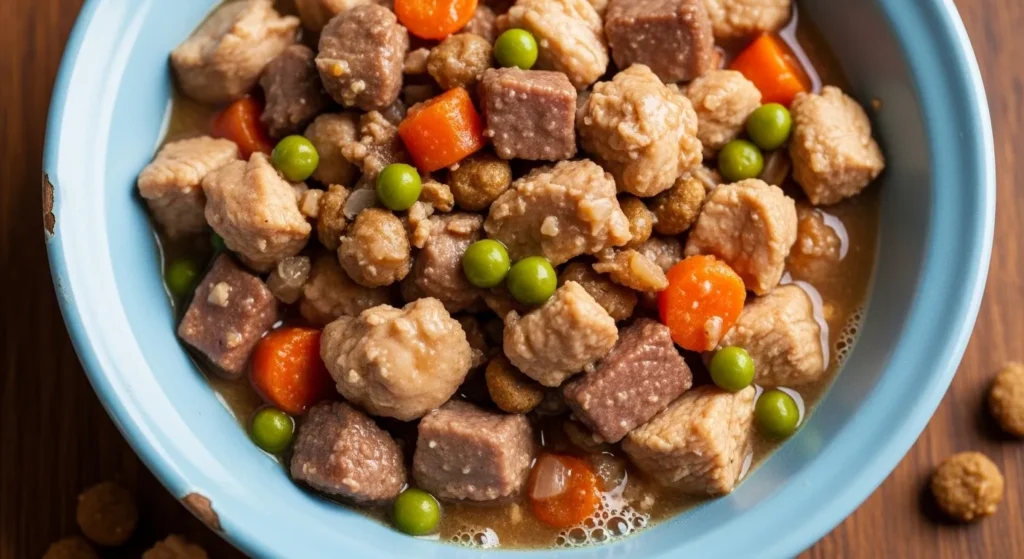
Balanced mix with extras.
Ingredients:
- 3 pounds poultry parts
- 1 cup water
- 2 eggs
- Fish oil 5,000-10,000 mg
- Vitamin E 400 IU
- B complex 50 mg
- Taurine 2,000 mg
- Lite salt with iodine 1 tsp
- Potassium tablets
- Liver 3-4 ounces
Steps: Grind or mix meats. Dissolve adds in water. Combine all. Portion and freeze.
Supports heart and muscles. Adds water for health.
Not for kidney issues. Use good meat.
Recipe 8: Bone-In Chicken Raw
Raw with natural calcium.
Ingredients:
- 4.5 pounds bone-in chicken thighs
- 7 ounces chicken liver
- 14 ounces chicken hearts
- 8 ounces water
- 4 egg yolks
- Taurine 2,000 mg
- Fish oil 4,000 mg
- B complex 200 mg
- Vitamin E 200 IU
- Lite salt 1.5 tsp
- Psyllium 4 tsp optional
Steps: Remove some bone and skin. Mix yolks, water, supplements. Chunk meat. Grind parts. Combine everything. Store frozen.
Mimics prey. Costs low per day. For feeding guidelines, read how much wet food to feed your cat.
Vet approval key. Supplements must be there.
If these recipes spark interest in more options, look at our 5 high-protein cat recipes for active cats. For breed-specific needs, take the pet breed finder quiz.