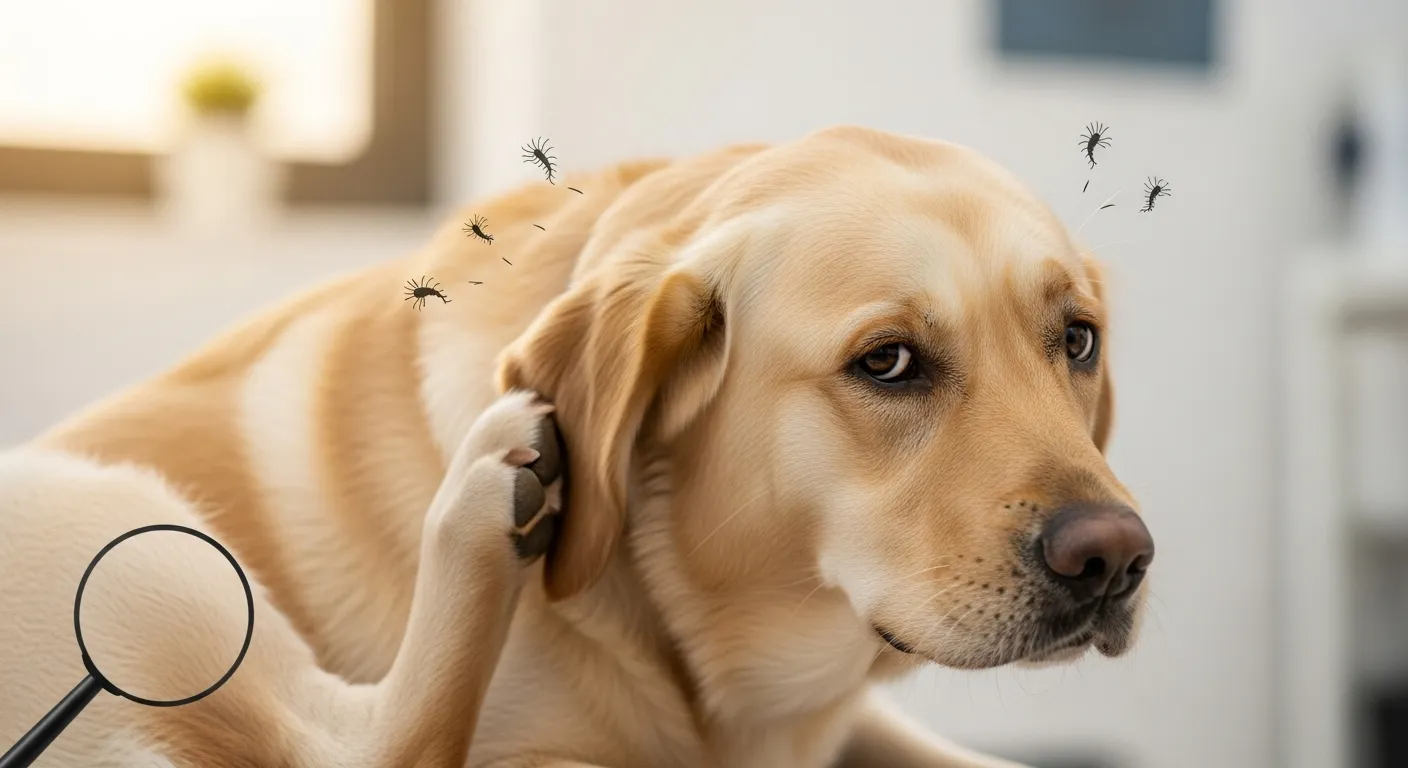
Dogs can get lice, but it’s less common than many pet owners think. Dog lice are different from human lice and cannot jump between species. While uncomfortable for your pet, dog lice infestations are treatable with proper care and veterinary guidance.

What Are Dog Lice?
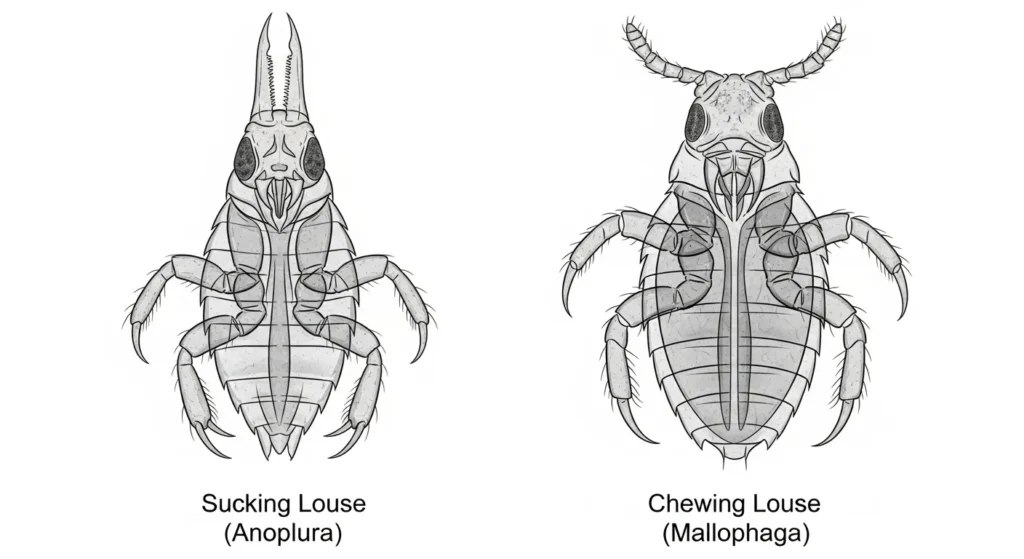
Dog lice are tiny parasites that live on your pet’s skin and hair. Two main types affect dogs:
- Chewing lice (Trichodectes canis) – Feed on dead skin cells and hair
- Sucking lice (Linognathus setosus) – Feed on blood through the skin
These parasites spend their entire life cycle on your dog. They cannot survive more than a few days without a host, making them different from fleas that can live in your environment.
How Do Dogs Get Lice?
Dogs typically get lice through:
Direct Contact
- Playing with infected dogs
- Sharing sleeping areas
- Close contact at dog parks or boarding facilities
Indirect Contact
- Using contaminated grooming tools
- Sharing bedding or toys
- Contact with infected surfaces (less common)
Young puppies, elderly dogs, and pets with weak immune systems face higher risk of infestation. Stress and poor nutrition also increase susceptibility.
Signs Your Dog Has Lice
Watch for these symptoms:
Physical Signs
- Intense scratching and itching
- Red, irritated skin
- Hair loss in affected areas
- Small white or tan specks in fur (lice eggs)
- Restlessness and discomfort
Behavioral Changes
- Excessive grooming
- Difficulty sleeping
- Decreased appetite
- Irritability or aggression when touched
If you notice these symptoms, check your pet using our Pet Symptom Checker and consult your veterinarian for proper diagnosis.

Dog Lice vs Human Lice: Key Differences
| Aspect | Dog Lice | Human Lice |
|---|---|---|
| Species transfer | Cannot infect humans | Cannot infect dogs |
| Movement | Cannot jump or fly | Cannot jump or fly |
| Survival off host | 2-3 days maximum | 24-48 hours |
| Treatment | Pet-specific products | Human lice treatments |
Dog lice are species-specific, meaning you cannot catch lice from your dog, and your dog cannot get lice from humans.
How to Check Your Dog for Lice
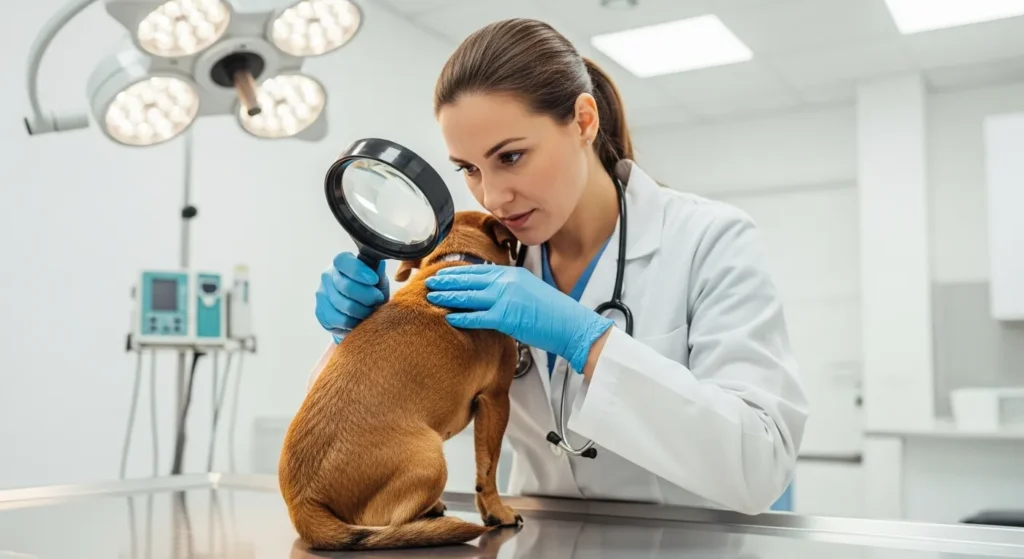
Visual Inspection
- Part your dog’s fur in small sections
- Look for small, moving insects
- Check for white or tan eggs attached to hair shafts
- Pay special attention to warm areas: neck, ears, shoulders
Use Good Lighting
Natural daylight or a bright lamp helps spot lice and eggs more easily.
Check Common Areas
- Behind the ears
- Around the neck and collar area
- Base of the tail
- Armpits and groin
Treatment Options for Dog Lice
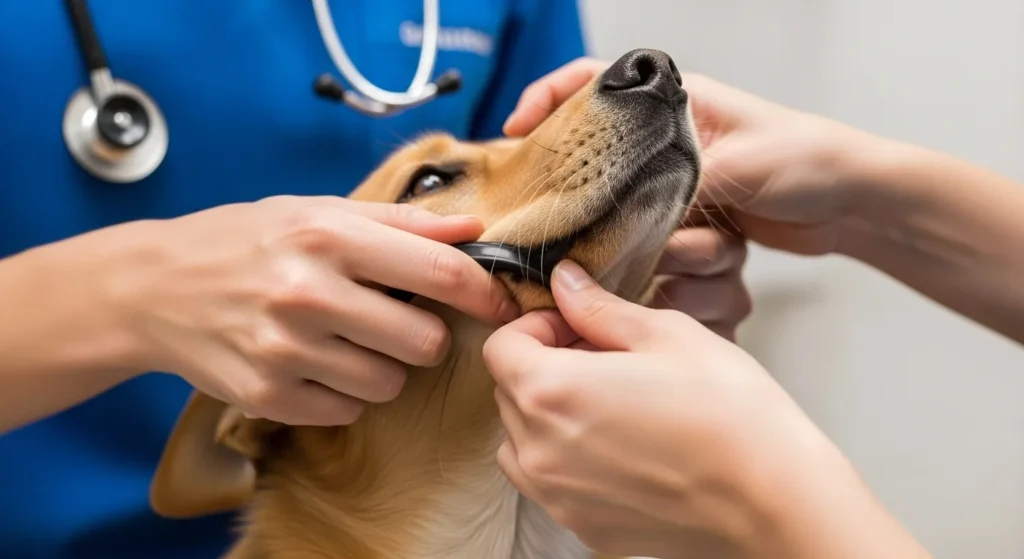
Professional Veterinary Treatment
Your vet may prescribe:
- Prescription shampoos
- Topical treatments
- Oral medications (in severe cases)
Over-the-Counter Products
Some effective options include:
- Pyrethrin-based shampoos
- Flea and tick treatments (many work on lice)
- Lime-sulfur dips (under vet guidance)
Treatment Timeline
- Initial treatment kills adult lice
- Follow-up treatment needed in 7-10 days
- Complete elimination takes 2-4 weeks
Never use human lice treatments on dogs – they can be toxic to pets.
Home Care and Prevention
Environmental Cleaning
- Wash all bedding in hot water (140°F minimum)
- Vacuum areas where your dog spends time
- Clean grooming tools with disinfectant
- Replace or treat dog toys
Grooming Routine
- Regular brushing helps detect problems early
- Keep your dog clean and well-groomed
- Maintain proper nutrition for strong immunity
Prevention Tips
- Avoid contact with unknown or stray dogs
- Don’t share grooming tools
- Keep your dog’s living area clean
- Regular veterinary check-ups
Similar to other health concerns, maintaining your dog’s overall wellbeing helps prevent parasites. Learn about common dog owner mistakes that might affect your pet’s health.
When to See a Veterinarian
Contact your vet if you notice:
- Persistent scratching despite treatment
- Signs of secondary skin infection
- Hair loss or severe irritation
- Your dog seems unwell or lethargic
Early professional treatment prevents complications and speeds recovery.
Dog Lice vs Other Parasites
Lice vs Fleas
- Lice: Cannot jump, stay on host, light colored
- Fleas: Jump high, dark colored, can live in environment
Lice vs Mites
- Lice: Visible to naked eye, live on hair surface
- Mites: Microscopic, burrow into skin, cause mange
Lice vs Ticks
- Lice: Tiny, numerous, constant movement
- Ticks: Larger, attach firmly, engorge with blood
Understanding these differences helps with proper identification and treatment.
Cost of Lice Treatment
Veterinary Costs
- Initial examination: $50-100
- Prescription treatments: $30-80
- Follow-up visits: $40-60
At-Home Treatment
- Medicated shampoos: $15-30
- Environmental cleaning supplies: $20-40
- Replacement bedding/toys: $25-75
Early treatment costs less than dealing with severe infestations or complications.
Frequently Asked Questions
Can indoor dogs get lice?
Yes, though it’s less common. Lice can enter homes on clothing, other pets, or visitors.
How long do dog lice live?
Adult lice live 3-4 weeks on a host but die within 2-3 days without one.
Are dog lice seasonal?
Lice can occur year-round but may be more common in cooler months when dogs spend more time indoors together.
Can puppies get lice?
Yes, puppies are actually more susceptible due to developing immune systems and close contact with littermates.
Natural Prevention Methods
Healthy Diet
A nutritious diet supports strong immunity. Check our Pet Food Safety Checker to ensure your dog gets proper nutrition.
Regular Grooming
- Weekly brushing sessions
- Monthly baths with quality dog shampoo
- Regular nail trimming and ear cleaning
Clean Environment
- Wash bedding weekly
- Vacuum regularly
- Maintain proper humidity levels
Conclusion
Dog lice infestations are manageable with proper knowledge and quick action. While uncomfortable for your pet, lice respond well to treatment when caught early. Remember that dog lice cannot transfer to humans, so focus on treating your pet and cleaning their environment.
Regular grooming, good nutrition, and preventive care significantly reduce your dog’s risk of getting lice. If you suspect lice, consult your veterinarian for the most effective treatment plan.
Stay proactive about your pet’s health by scheduling regular check-ups and maintaining good hygiene practices. With proper care, your dog can stay comfortable and lice-free.
For more pet health guidance, explore our other resources on pet care and health topics. Always consult with your veterinarian for specific medical concerns about your pet.