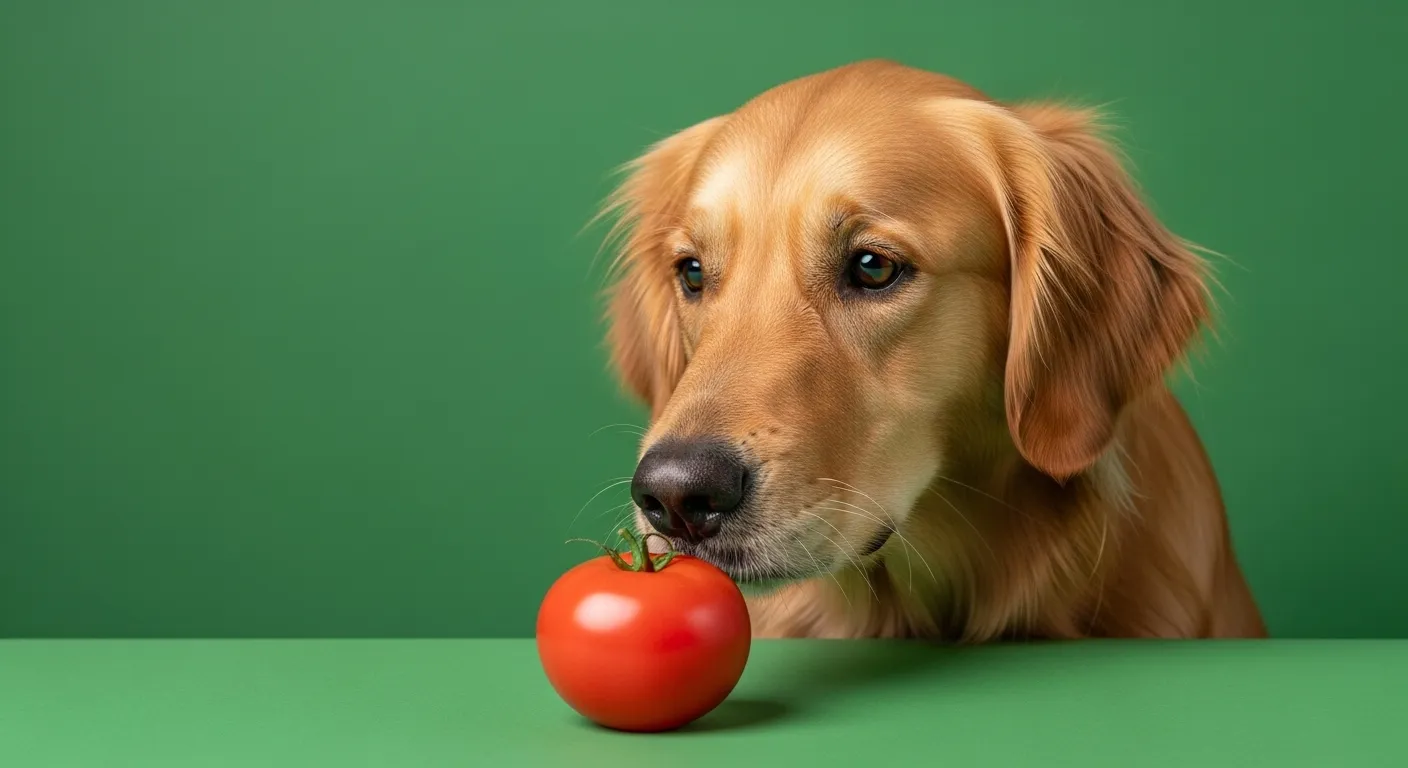
Tomatoes are a common food in many homes. But can dogs eat them? The answer is yes, but with caution. Ripe, red tomatoes are safe for dogs in small amounts. However, green tomatoes, stems, and leaves can be harmful. This guide covers everything you need to know about feeding tomatoes to your dog, including benefits, risks, and safe practices. Let’s dive in!
Why Tomatoes Can Be Good for Dogs
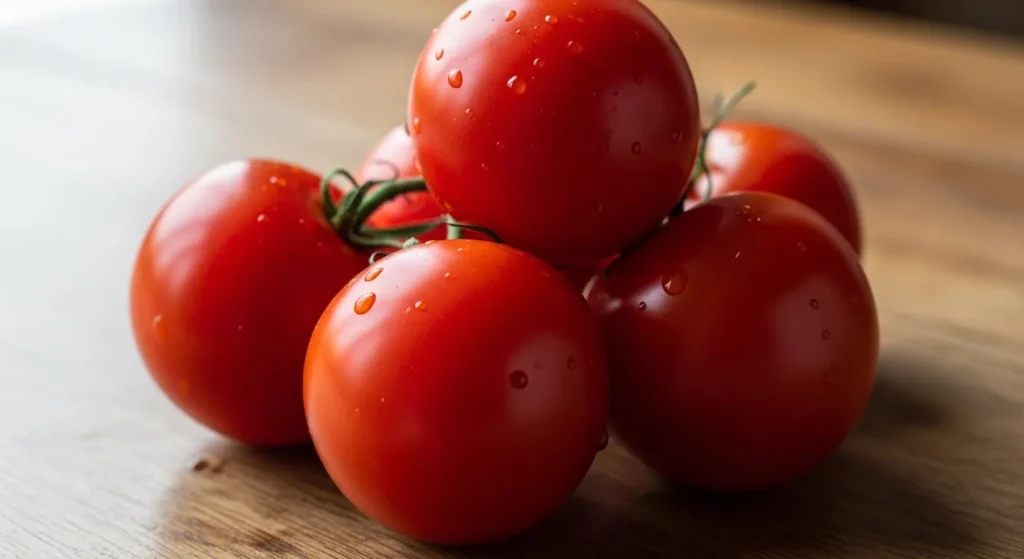
Ripe tomatoes offer health benefits for dogs when given in moderation. They are low in calories and packed with nutrients. Here are the key benefits:
- Vitamins: Tomatoes contain vitamins A, C, and K. These support vision, immune health, and bone strength.
- Antioxidants: Lycopene, a powerful antioxidant, may reduce inflammation and support heart health.
- Fiber: Helps with digestion and promotes regular bowel movements.
- Low-Calorie Treat: Great for dogs watching their weight, with about 4 calories per slice.
Risks of Feeding Tomatoes to Dogs
While ripe tomatoes are safe, other parts of the tomato plant can be dangerous. Tomatoes belong to the nightshade family, which contains toxins called solanine and tomatine. These are found in green tomatoes, stems, and leaves. Here’s what to watch out for:
- Tomatine Poisoning: Eating large amounts of green tomatoes or plant parts can cause symptoms like vomiting, diarrhea, lethargy, or irregular heartbeats. This is rare but more likely in small dogs or puppies.
- Allergic Reactions: Some dogs may be allergic to tomatoes. Signs include itching, swelling, or breathing issues.
- Acidity: Too many tomatoes can upset a dog’s stomach due to their acidic nature.
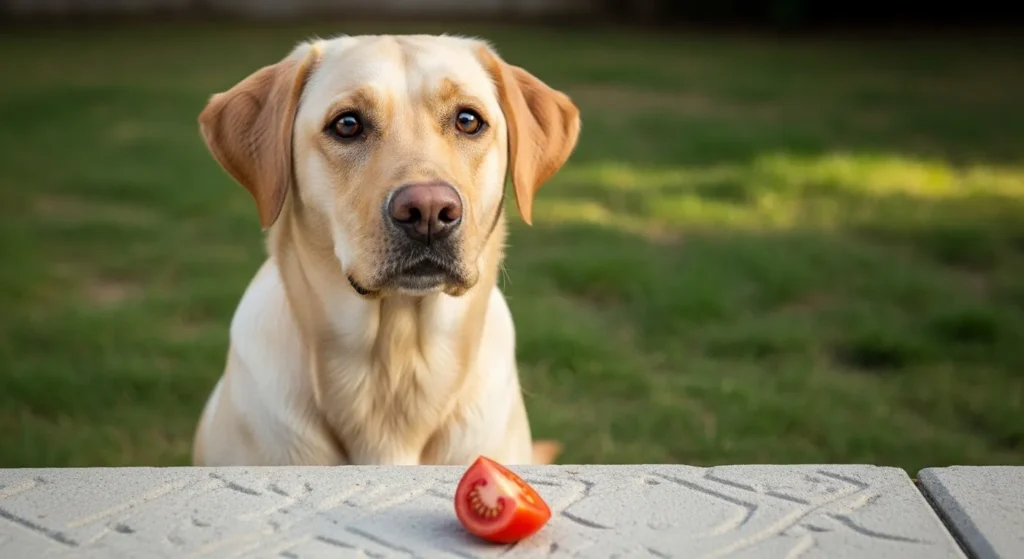
- Choking Hazard: Whole tomatoes, especially cherry tomatoes, can pose a choking risk for smaller dogs.
If your dog shows any unusual symptoms, use our Pet Symptom Checker to assess their condition and contact your vet immediately.
How to Safely Feed Tomatoes to Your Dog
To keep your dog safe, follow these guidelines when offering tomatoes:
- Choose Ripe Tomatoes: Only use red, ripe tomatoes. Avoid green or unripe ones.
- Remove Green Parts: Cut off stems, leaves, and vines, as they contain toxins.
- Wash Thoroughly: Rinse tomatoes to remove pesticides or dirt, especially if non-organic.
- Cut into Small Pieces: Prevent choking by chopping tomatoes into bite-sized portions.
- Start Small: Introduce tomatoes gradually to check for allergies or digestive issues.
- Limit Portions: Treats like tomatoes should make up no more than 10% of your dog’s daily diet. For example:
- Extra-small dogs (2–20 lbs): Up to two ½-inch cubes.
- Small dogs (21–30 lbs): Up to one small tomato.
- Medium dogs (31–50 lbs): Up to two small tomatoes.
- Large dogs (51+ lbs): Up to one medium tomato.
Can Dogs Eat Tomato-Based Products?
Tomato-based products like sauces, soups, or ketchup are generally not safe for dogs. Here’s why:
- Tomato Sauce and Soup: Often contain harmful ingredients like onions, garlic, salt, or sugar. Check out our Pet Food Safety Checker to verify if a product is safe.
- Ketchup: High in sugar and sodium, and may include toxic onion or garlic powder.
- Canned Tomatoes: Some are safe if organic and free of additives, but always check the label for salt or seasonings.
- Tomato Juice: Not recommended due to high sodium or added spices.
- Sundried Tomatoes: Often preserved with salt, making them unsafe in large amounts.
Stick to plain, ripe tomatoes to avoid risks. For more on safe foods, read our post on What Fruits Can Dogs Eat?.
Are There Dogs That Should Avoid Tomatoes?
Some dogs should not eat tomatoes due to health conditions. Avoid tomatoes if your dog has:
- Gastrointestinal Issues: The acidity may worsen conditions like acid reflux or gastroenteritis.
- Kidney Problems: Tomatoes contain oxalates, which can harm dogs with kidney issues.
- Arthritis: Nightshade foods may increase inflammation in some dogs.
- Allergies: If your dog shows signs of an allergic reaction, stop feeding tomatoes and consult a vet.
Always check with your veterinarian before adding new foods to your dog’s diet. Our Pet Symptom Checker can help monitor any adverse reactions.
How to Protect Your Dog from Tomato Plants
If you grow tomatoes, keep your dog away from the plants. The green parts are toxic and can cause tomatine poisoning. Here are some tips:
- Fence Your Garden: Create a barrier to block access to tomato plants.
- Use Raised Pots: Place tomato plants in elevated pots out of reach.
- Supervise Outdoors: Watch your dog closely in areas with tomato plants.
- Store Safely: Keep harvested tomatoes away from curious pups.
For more on toxic plants, see our post on Are Roses Toxic to Cats? for similar safety tips.
People Also Ask: Common Questions About Dogs and Tomatoes
Here are answers to popular questions from Google’s “People Also Ask” section:
- Can dogs eat cherry tomatoes?
Yes, ripe cherry tomatoes are safe in moderation. Remove stems and cut into small pieces to prevent choking, especially for small dogs. - Are cooked tomatoes safe for dogs?
Cooked, ripe tomatoes are safe if plain and free of additives like onions or garlic. Cooking may increase lycopene availability. - What happens if a dog eats green tomatoes?
Green tomatoes contain higher levels of tomatine, which can cause vomiting, diarrhea, or lethargy. Contact your vet if your dog eats them. - How many tomatoes can a dog eat?
Follow the 10% rule: treats should not exceed 10% of daily calories. Portion sizes depend on your dog’s weight, as listed above.
For more on safe fruits, check our guide on Is Watermelon Good for Dogs?.
Final Tips for Feeding Tomatoes to Dogs
Tomatoes can be a healthy, occasional treat for most dogs when prepared correctly. Always choose ripe, red tomatoes, remove green parts, and serve in small amounts. Monitor your dog for any signs of allergies or digestive upset. If you’re unsure about your dog’s diet or health, consult your veterinarian or use our Pet Food Safety Checker for guidance.
For additional pet nutrition tips, explore related articles like Can Dogs Eat Broccoli? or try our Pet Breed Finder Quiz to learn more about your dog’s needs.