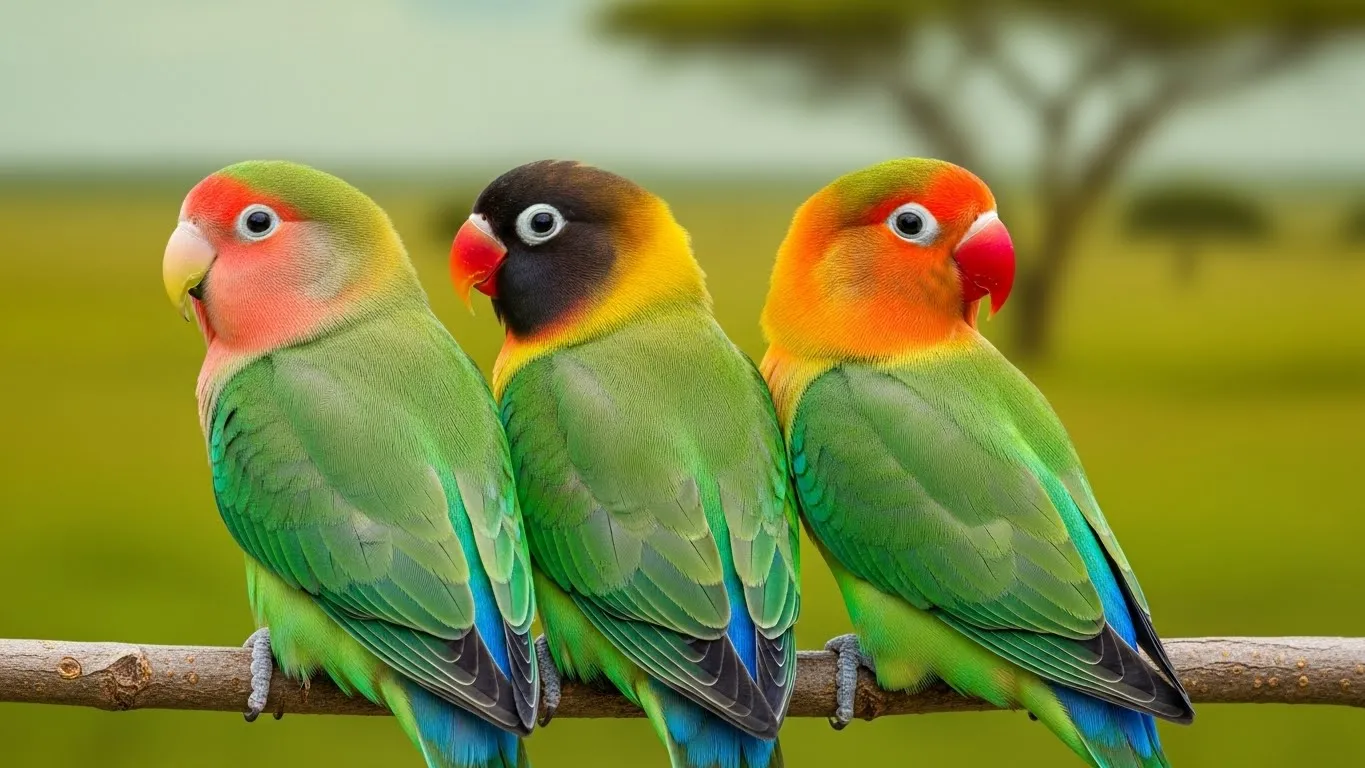
Lovebirds make great companions for bird lovers. These small parrots come from Africa and stand out with their bright colors and lively ways. There are nine species in total, but only a few work well as household pets. This guide looks at the main ones to help you pick what fits your home. We’ll cover looks, habits, and needs based on real details from trusted sites.
Key Traits of Lovebirds
Before picking a type, know the basics that apply to most. Lovebirds belong to the group called Agapornis. They thrive in pairs or with lots of human time since they form close ties. Without enough play or contact, they might act out or feel down.
Size and Longevity
Most lovebirds measure between 5 and 7 inches from head to tail. Their weight stays light, often under 2 ounces. With proper food and check-ups, they can live 10 to 15 years, sometimes longer.
Daily Care Basics
A good setup includes a roomy cage at least 2 feet wide for flight space. Add perches of different widths to keep feet healthy. Toys matter a lot – think wood blocks or bells – to stop boredom. Feed them mostly pellets, plus fresh greens and fruits. Seeds should stay small parts of meals. Plan for playtime outside the cage each day to build trust.
Lovebirds like routine vet visits. Watch for signs like feather loss or low energy. They chew hard, so pick safe items without small bits that could harm them. For more on caring for similar small birds, check this beginners guide to parakeet care.
Top Species for Home Life
Focus on the three most common types kept in homes: peach-faced, masked, and Fischer’s. These breed well in captivity and adapt to family settings. Here’s a quick chart to compare them:
| Species | Length (inches) | Key Colors | Home Area | Sound Volume | Pet Match Level |
|---|---|---|---|---|---|
| Peach-Faced | 6-7 | Green body, pink face | SW Africa | Medium | High |
| Masked | 5-6 | Green, black head, yellow neck | Tanzania | Low | High |
| Fischer’s | 5-6 | Green, orange head | Tanzania | Low | High |
Data from pet sites and animal guides.
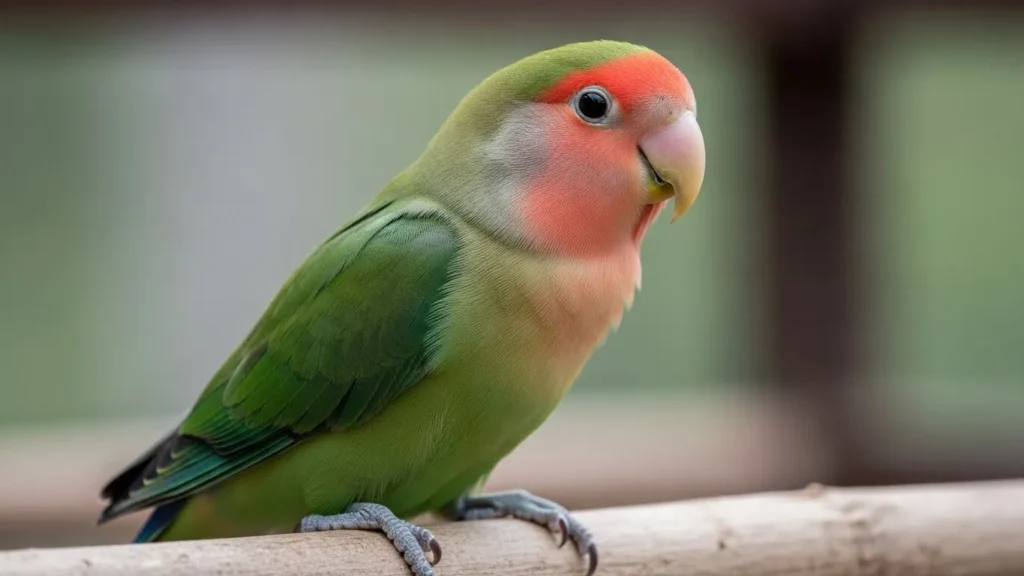
Peach-Faced Lovebird
This type tops the list for many owners. Native to dry spots in southwest Africa, they show bold green feathers with a rosy pink area around the face and throat. Some bred versions come in yellow or white shades. They weigh about 2 ounces and reach up to 8 inches long.
In terms of personality, they act outgoing and full of energy. They play hard but might nip if not handled from young. Pairs bond tight, often sitting side by side. As pets, they suit people who can give daily time. Their calls stay at a fair level, not too harsh. Breeders like them for the color options.
Care tips include lots of chew toys and fresh branches. They tame easier than some others, making them fine for new owners with patience.
Masked Lovebird
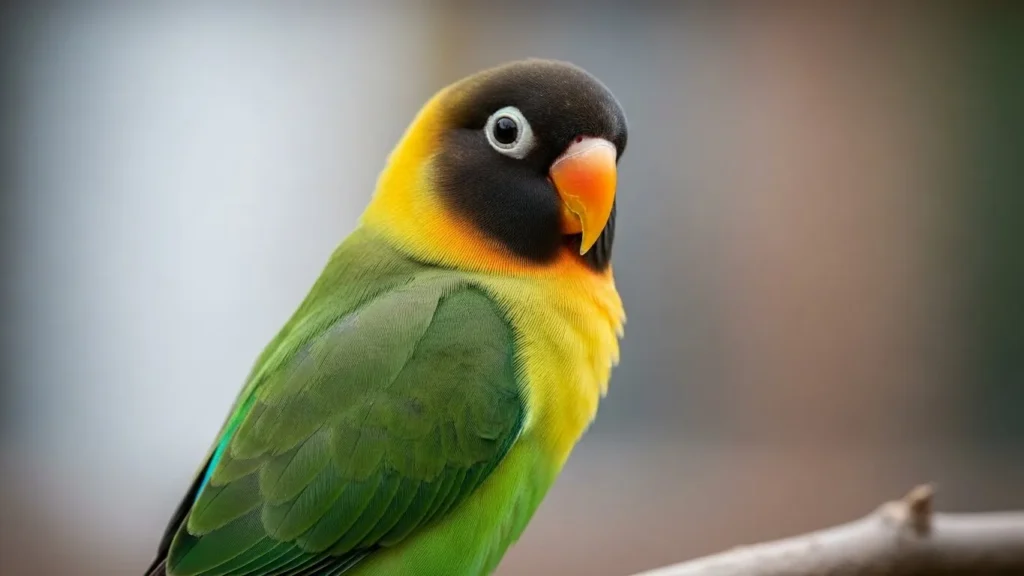
Also known as yellow-collared, this bird hails from Tanzania’s open lands. It sports a black head, white eye rings, and a yellow band across the chest over green body feathers. Size hits around 5.5 inches, with weight near 1.7 ounces. Bred ones might show blue tones.
They keep things calmer than peach-faced ones, with lower sound output. Personality leans toward steady and less pushy. Keep them in pairs for best results, or offer extra toys if alone. They fit well in quieter homes and bond with handlers who interact often.
For care, focus on mental tasks like puzzle feeders. They breed okay in setups and stay healthy with varied meals.
Fischer’s Lovebird
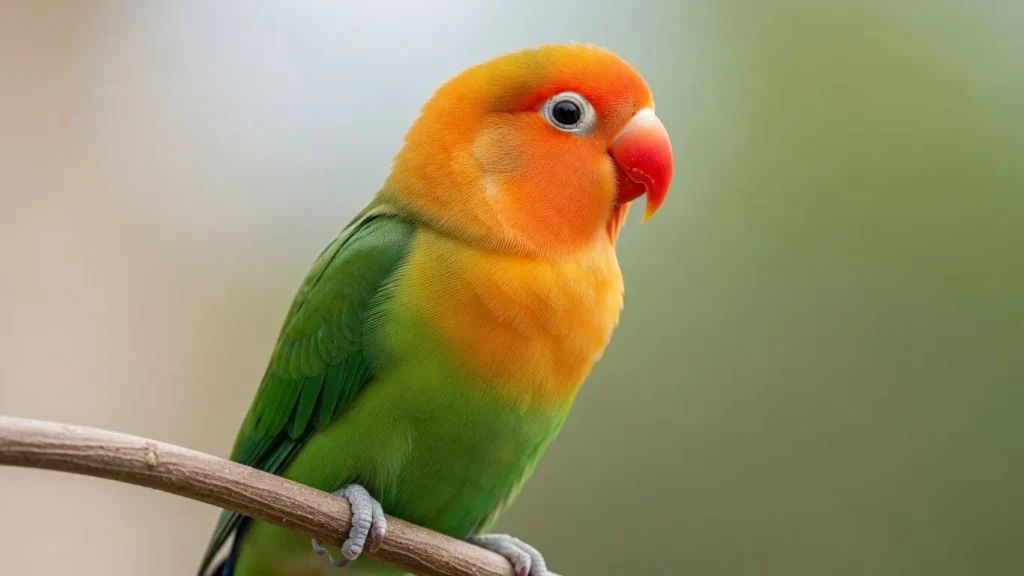
From Tanzania near lakes, Fischer’s have orange heads fading to yellow necks on green bodies. They measure 5 to 6 inches and weigh up to 2 ounces. Colors can vary in captivity, sometimes with blue tails.
Known for a gentle side, they play without much fuss. Sounds remain soft, ideal for apartments. They work for first-timers since they adjust well. In the wild, they face habitat risks, but pets come from breeders.
Provide space for activity and pair them if possible. They enjoy baths and fresh greens in their routine.
Other Types to Know
Some species rarely show up as pets due to breeding hurdles or special needs. For example, Lilian’s from Malawi stays small at 5 inches, with orange heads, but they’re hard to find and suit experts only. Black-cheeked ones from Zambia have black faces and docile traits, yet their wild numbers drop from land changes.
Grey-headed from Madagascar show sex differences in color – males grey, females green – but they act nervous in cages. Black-winged, the largest at 6.5 inches, need big spaces and come from Ethiopia highs. Red-headed and black-collared types don’t thrive without wild diets like figs, so avoid them for home setups.
Picking What Fits You
Think about your setup when choosing. If you want a bolder bird, go peach-faced. For less noise, try masked or Fischer’s. Match to your time – all need daily chats and play. Start with one from a good breeder for health. Research local rules on birds too. To see if a lovebird matches your lifestyle, try our pet compatibility checker. Or take the pet breed finder quiz for more ideas on bird options.
If you’re new to birds, read about the best pet birds for beginners to build confidence. Once you bring one home, use the pet name generator for fun ideas.
In the end, the right lovebird brings joy through its colors and bonds. Take time to learn their ways for a happy match.