

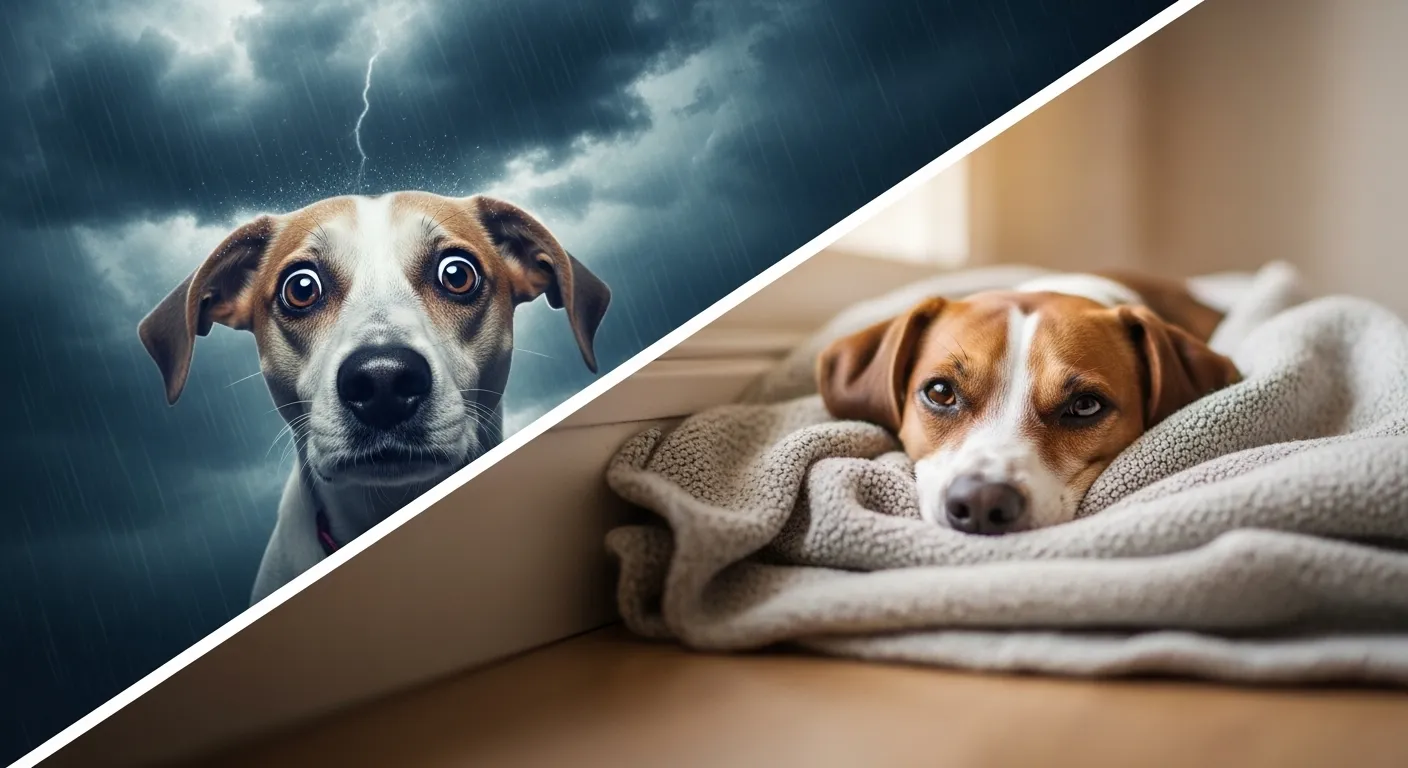
Many dogs show signs of fear when storms hit. Loud thunder and bright flashes can upset them. Owners often look for ways to help their pets stay relaxed. This guide shares practical methods based on advice from animal experts.
Why Dogs Fear Storms
Dogs react to storms because of sudden loud noises. Thunder, wind, and rain create sounds they find confusing. Some feel static buildup in their fur, which adds to the discomfort. Changes in air pressure might also play a role. Studies show that up to 30 percent of dogs face this issue. Thunder ranks as one of the top fears for them, more than traffic or other common noises.
Signs Your Dog Needs Help
Watch for clear signals of unease. A dog might shake or try to hide away. Pacing back and forth is common. Heavy breathing or whining can occur too. In tougher cases, they may scratch at walls or chew on items. Some even attempt to run off. Spotting these early lets you step in before things worsen. Shaking often stems from fear or stress caused by loud sounds like thunder. For more on reasons behind shaking, check our guide on why is my dog shaking. If symptoms seem off, try our pet symptom checker to spot potential health concerns.
Basic Steps to Soothe Your Dog
Start with easy actions at home. These methods focus on reducing noise and providing comfort. They draw from common practices shared by pet care groups.
Set Up a Quiet Spot
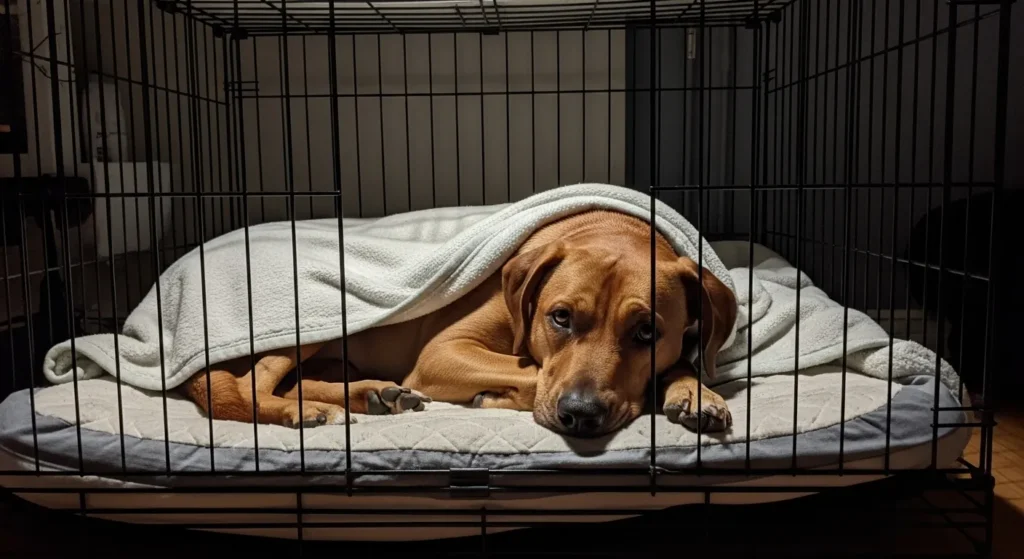
Let your dog pick a place they like. It could be a crate, a small room, or under furniture. Add blankets and toys they know well. Keep it away from windows to cut down on light flashes. Basements or bathrooms often work best. Make sure they can come and go freely so they don’t feel stuck. Crates offer a den-like space that taps into a dog’s natural need for security. To get started, follow steps like placing treats inside to build positive links. See our full how to crate train your dog for details.
Stay Steady and Close
Your mood affects your dog. Keep a level head to show there’s no big threat. Sit nearby if they seek you out. Light touches or quiet words can reassure some. Avoid harsh tones or forcing them out of hiding. Being there without fuss often helps most.
Use Sounds to Mask Noise
Turn on a radio or television at a low level. White noise from a fan helps too. Some dogs respond well to soft tunes like classical pieces. This covers up the rumble outside. Apps offer tracks made just for pets.

Try Gentle Pressure
Wraps that fit snugly apply even pressure. This mimics a hug and calms many dogs. Options include special shirts or even a close-fitting top you have at home. It works like bundling a child for sleep. Test it out on a calm day first.
Offer Distractions
Keep their mind busy with favorites. Toss a toy or give a chew item filled with food. Play simple games if they’re up for it. Treats reward calm moments. Walk or run earlier in the day to tire them out before weather turns. Safe veggies like carrots or green beans make good low-calorie options for stuffing toys. Find a full list in our article on what vegetables can dogs eat.
Long-Term Ways to Reduce Fear
For ongoing help, build habits over time. These approaches aim to lessen reactions gradually.
- Play recordings of storm sounds at low volume. Pair with positive things like treats or fun. Raise the level slowly as they get used to it. This is called desensitization.
- Teach settle commands in quiet times. Reward relaxed poses with small bites. This builds a routine for tough moments.
- Consider aids like pheromone collars or sprays. They release scents that mimic a mother’s comfort. Some essential oils, such as lavender, can also ease stress when diluted properly. Always check with a vet first. Read more in our safe essential oils for dogs guide.
When to Talk to a Vet
If home steps aren’t enough, seek professional input. Severe cases might need medicine to ease worry. Vets can suggest safe options for noise fears. For mild cases, something like diphenhydramine might help with drowsiness, at about one milligram per pound of weight. But it’s not ideal for strong fears. Get exact advice from your vet. Our post on how much Benadryl can I give my dog covers basics. They may also check for other health concerns tied to the behavior. Start this chat before storm season peaks.
With patience, most dogs can handle storms better. Track what works for yours and adjust as needed.