

Yes, dogs can get the flu, but it’s different from human influenza. Canine influenza affects thousands of dogs each year in the United States. This respiratory infection spreads quickly between dogs and causes symptoms similar to kennel cough.
Understanding dog flu helps you protect your pet and know when to seek veterinary care. This guide covers everything about canine influenza, from symptoms to prevention.
What Is Canine Influenza (Dog Flu)?
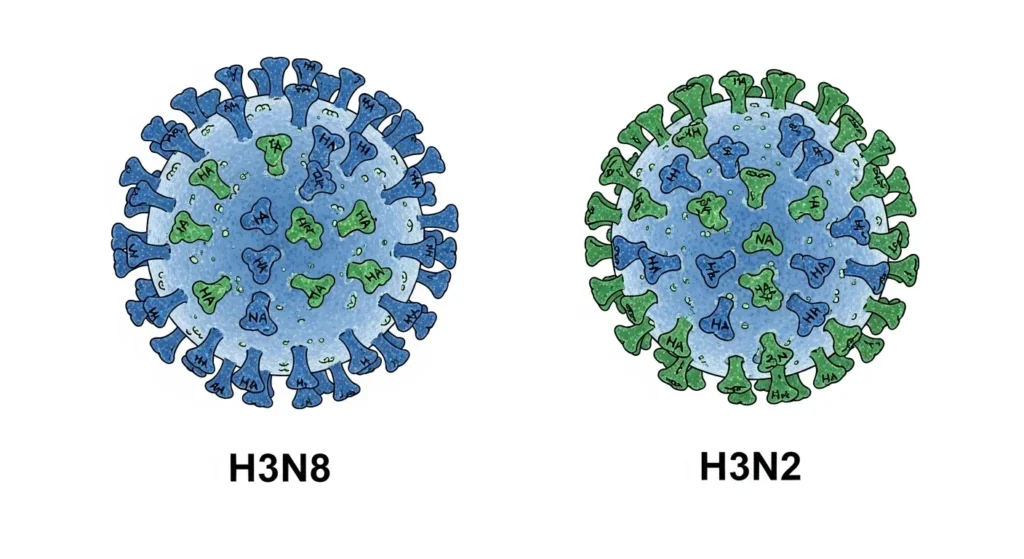
Canine influenza is a respiratory infection caused by specific flu viruses that affect dogs. Two main strains cause most cases:
- H3N8 strain: First detected in racing greyhounds in 2004
- H3N2 strain: Emerged in the U.S. around 2015
These viruses are different from human flu strains. You cannot catch the flu from your dog, and your dog cannot catch human flu from you.
Can Dogs Catch Human Flu?
No, dogs cannot catch typical human flu viruses. The influenza strains that make people sick are species-specific. However, some rare cases of cross-species transmission have occurred in laboratory settings.
The flu your dog gets is canine-specific. This means:
- Your seasonal flu won’t affect your dog
- Your dog’s flu won’t make you sick
- Each species has adapted viruses
If both you and your dog feel unwell simultaneously, it’s likely a coincidence rather than shared illness.
Dog Flu Symptoms: What to Watch For
Canine influenza symptoms appear 1-5 days after exposure. Most dogs show mild to moderate signs, but some develop severe complications.
Common Symptoms Include:
- Persistent cough (dry or wet)
- Runny nose with clear or colored discharge
- Low-grade fever (up to 104°F)
- Lethargy and weakness
- Reduced appetite
- Difficulty breathing
- Eye discharge
Severe Symptoms Requiring Immediate Care:
- High fever above 104°F
- Labored breathing or panting
- Refusal to eat for 24+ hours
- Thick, colored nasal discharge
- Signs of pneumonia
About 20% of infected dogs show no symptoms but can still spread the virus to other dogs.

How Do Dogs Get the Flu?
Dog flu spreads through several pathways:
Direct Contact
- Nose-to-nose contact with infected dogs
- Sharing toys, food bowls, or water dishes
- Contact with contaminated surfaces
Airborne Transmission
- Respiratory droplets from coughing or sneezing
- Virus particles can travel up to 20 feet
- Contaminated air in enclosed spaces
High-Risk Environments
- Dog parks and play areas
- Boarding facilities and kennels
- Grooming salons
- Veterinary clinics
- Dog shows and competitions
The virus survives on surfaces for up to 48 hours and remains infectious in respiratory secretions for several days.
Dog Flu vs. Kennel Cough: Key Differences
Many pet parents confuse dog flu with kennel cough because symptoms overlap. Here’s how to tell them apart:
| Feature | Dog Flu | Kennel Cough |
|---|---|---|
| Cause | Influenza viruses H3N8/H3N2 | Multiple pathogens (mainly Bordetella) |
| Cough | Wet or dry, persistent | Dry, honking sound |
| Fever | Common (up to 104°F) | Rare |
| Duration | 2-3 weeks | 1-2 weeks |
| Appetite | Often decreased | Usually normal |
| Energy Level | Significantly reduced | Mildly affected |
If you’re unsure about your dog’s symptoms, use our pet symptom checker for initial guidance.
Dog Flu Treatment Options
Veterinary Treatment
Most dogs recover with supportive care, but veterinary supervision is important:
- Antiviral medications (in some cases)
- Antibiotics for secondary bacterial infections
- Fever reducers and pain management
- IV fluids for dehydrated dogs
- Hospitalization for severe cases
Home Care Management
Support your dog’s recovery with these steps:
- Provide plenty of rest in a quiet, comfortable area
- Ensure adequate hydration with fresh water
- Offer easy-to-digest foods to maintain nutrition
- Use a humidifier to ease respiratory symptoms
- Keep your dog warm but not overheated
- Monitor symptoms and temperature regularly
What NOT to Give Your Dog
Never give human medications without veterinary approval:
- No aspirin or ibuprofen
- No human cough suppressants
- No decongestants
- No antihistamines without vet guidance
Dog Flu Prevention Strategies
Vaccination
Two vaccines are available for canine influenza:
- Bivalent vaccine (protects against H3N8 and H3N2)
- Individual strain vaccines
Vaccination schedule:
- Initial vaccine at 6-8 weeks
- Booster 2-4 weeks later
- Annual boosters thereafter
Consult your veterinarian about vaccination timing and necessity based on your area’s risk level.

Environmental Prevention
Reduce exposure risk with these practices:
- Avoid crowded dog areas during outbreaks
- Clean and disinfect your dog’s belongings regularly
- Quarantine new dogs for 2-3 weeks before introducing them
- Practice good hygiene after handling other dogs
- Choose reputable boarding facilities with health requirements
Boost Your Dog’s Immune System
Support natural immunity through:
- Proper nutrition with high-quality dog food
- Regular exercise appropriate for your dog’s age
- Stress reduction and consistent routines
- Adequate sleep and rest periods
- Regular veterinary checkups
Check if your dog’s food is safe using our pet food safety checker.
When to Contact Your Veterinarian
Seek immediate veterinary care if your dog shows:
- Difficulty breathing or rapid breathing
- High fever (over 104°F)
- Refusal to eat for more than 24 hours
- Severe lethargy or collapse
- Blue or pale gums
- Persistent vomiting
- Signs of dehydration
Early intervention prevents complications and speeds recovery.
For less urgent concerns, contact your vet if symptoms worsen or don’t improve within 3-5 days.
Dog Flu Recovery Timeline
Typical Recovery Phases:
Days 1-3: Symptoms appear and may worsen Days 4-7: Peak illness period with most severe symptoms Days 8-14: Gradual improvement begins Days 15-21: Most dogs fully recover
Factors Affecting Recovery:
- Age (puppies and senior dogs recover slower)
- Overall health status
- Immune system strength
- Prompt treatment
- Quality of supportive care
Dogs remain contagious for up to 4 weeks after infection, even during recovery.
Preventing Spread to Other Dogs
If your dog has the flu, protect other pets:
Isolation Measures:
- Separate your infected dog from healthy pets
- Use separate feeding areas and water bowls
- Wash hands thoroughly between handling pets
- Disinfect surfaces regularly
- Avoid public spaces until fully recovered
Cleaning Protocol:
- Use bleach solution (1:32 ratio) on hard surfaces
- Wash fabric items in hot water
- Replace air filters in your home
- Clean and disinfect your car if transporting sick dogs
Dog Flu Complications to Watch For
While most dogs recover completely, some develop serious complications:
Pneumonia
- Most serious complication
- Requires immediate veterinary care
- May need hospitalization and intensive treatment
- Can be life-threatening without proper care
Secondary Bacterial Infections
- Develop when immune system is weakened
- Require antibiotic treatment
- Extend recovery time
- More common in young or elderly dogs
Chronic Respiratory Issues
- Rare but possible long-term effect
- May cause persistent cough
- Requires ongoing management
Regional Dog Flu Outbreaks and Trends
Canine influenza outbreaks occur periodically across the United States:
Recent Outbreak Patterns:
- Urban areas see more frequent cases
- Boarding facilities often experience clusters
- Seasonal variation with peaks in fall and winter
- Travel-related spread between states
Stay informed about local outbreak status through your veterinarian or state animal health department.
Cost of Dog Flu Treatment
Treatment costs vary based on severity:
- Basic veterinary exam: $50-150
- Diagnostic tests: $100-300
- Medications: $25-100
- Hospitalization: $500-2,000 per day
- Total mild case: $200-500
- Total severe case: $1,000-5,000
Pet insurance may cover treatment costs. Prevention through vaccination is more cost-effective than treatment.
Dog Flu Myths and Facts
Myth: Dogs can catch human flu
Fact: Canine and human flu viruses are species-specific
Myth: Healthy dogs don’t need flu vaccines
Fact: All dogs at risk of exposure benefit from vaccination
Myth: Dog flu is always mild
Fact: Some dogs develop severe complications requiring intensive care
Myth: Indoor dogs can’t get the flu
Fact: Virus exposure can occur during any outside activity or vet visits
Special Considerations for Different Dogs
Puppies (Under 6 months)
- Higher risk of severe illness
- Require closer monitoring
- May need more intensive supportive care
- Vaccination timing is crucial
Senior Dogs (Over 7 years)
- Slower recovery times
- Higher complication risks
- May need additional supportive treatments
- Regular health monitoring is essential
Dogs with Health Conditions
- Compromised immune systems increase risks
- May require modified treatment approaches
- Need veterinary supervision throughout illness
- Prevention becomes even more critical
Use our pet age calculator to determine your dog’s life stage and risk factors.
Living with Multiple Pets
If you have multiple pets and one gets the flu:
Immediate Steps:
- Isolate the sick dog immediately
- Monitor all other pets for symptoms
- Maintain separate resources (food, water, toys)
- Practice strict hygiene between animals
- Contact your vet about preventive measures
Long-term Management:
- Consider vaccination for all dogs
- Establish quarantine protocols
- Create separate spaces for sick pets
- Maintain updated health records
Check pet compatibility and health management with our pet compatibility checker.
Building Your Dog’s Immune System
Strong immunity helps prevent illness and speeds recovery:
Nutrition Factors:
- High-quality protein for immune cell production
- Antioxidants from fruits and vegetables
- Omega-3 fatty acids for anti-inflammatory effects
- Probiotics for gut health and immunity
Lifestyle Factors:
- Regular, moderate exercise
- Consistent sleep schedules
- Stress reduction techniques
- Proper grooming and hygiene
- Regular veterinary care
Avoid Common Mistakes:
Don’t make these common dog owner mistakes that can weaken immunity.
Emergency Preparedness
Prepare for potential dog flu situations:
Create a Pet First Aid Kit:
- Thermometer (digital rectal)
- Emergency vet contact information
- Current medication list
- Recent health records
- Basic supplies (gauze, saline solution)
Establish Emergency Protocols:
- Know your nearest emergency vet clinic
- Keep transportation ready
- Have emergency funds available
- Maintain updated pet information
- Create a pet care backup plan
Conclusion
Dogs can get the flu, but with proper knowledge and prevention, you can protect your pet. Canine influenza is manageable with early detection, appropriate treatment, and good supportive care.
Key takeaways:
- Dog flu is real but different from human flu
- Vaccination provides the best protection
- Early veterinary care improves outcomes
- Most dogs recover completely with proper care
- Prevention is more effective than treatment
Stay vigilant for symptoms, maintain good preventive practices, and don’t hesitate to contact your veterinarian with concerns. Your dog’s health depends on informed, proactive care.
For ongoing pet health monitoring, consider using our pet symptom checker between veterinary visits.
This article provides general information about canine influenza. Always consult your veterinarian for specific medical advice regarding your pet’s health.