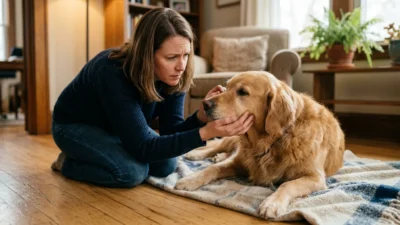

Many dog owners deal with moments when their pet has trouble passing stool. Constipation brings discomfort and usually ties back to basic things like what they eat or how active they are. Always talk to a vet first to make sure nothing serious is going on. This piece offers solid approaches drawn from trusted info to bring quick relief.
Common Causes of Dog Constipation
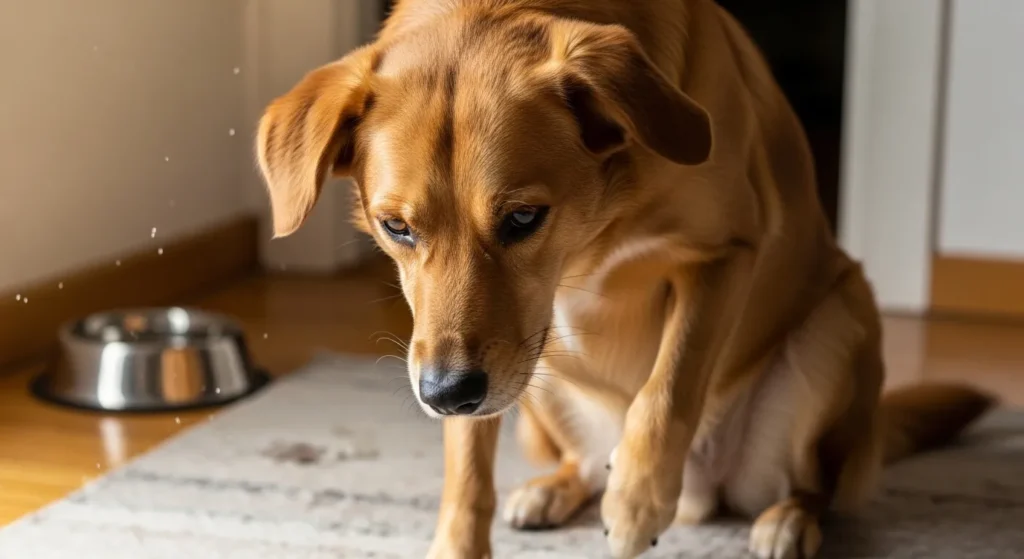
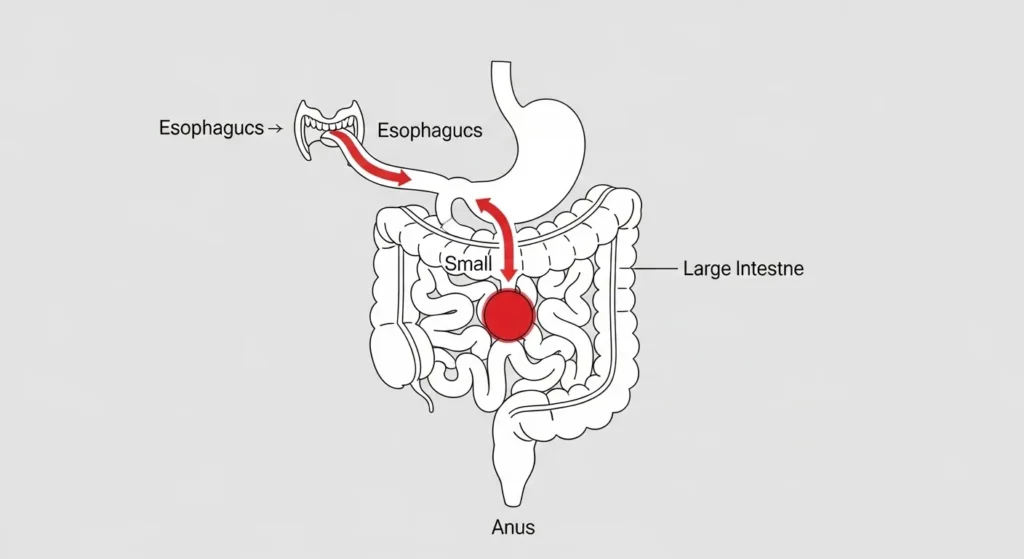
Several things can lead to a dog getting backed up. Not drinking enough water is a big one. Low activity levels play a part too. Meals short on fiber or abrupt diet shifts can result in firm stools. Swallowing items like bones or soil might cause blocks. Senior dogs face this more often from conditions like prostate troubles or reduced muscle tone. Certain meds or anxiety can slow the process as well.
Signs Your Dog Might Be Constipated
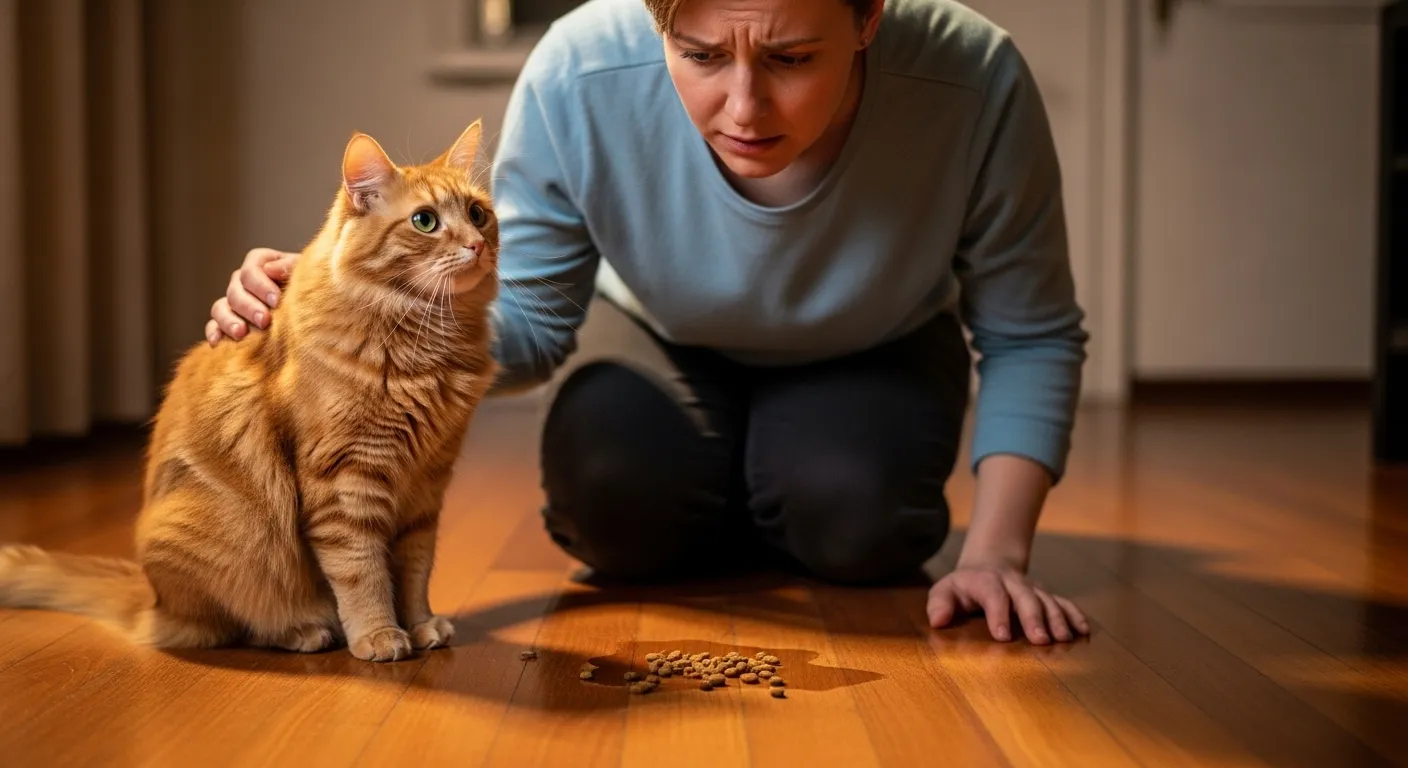
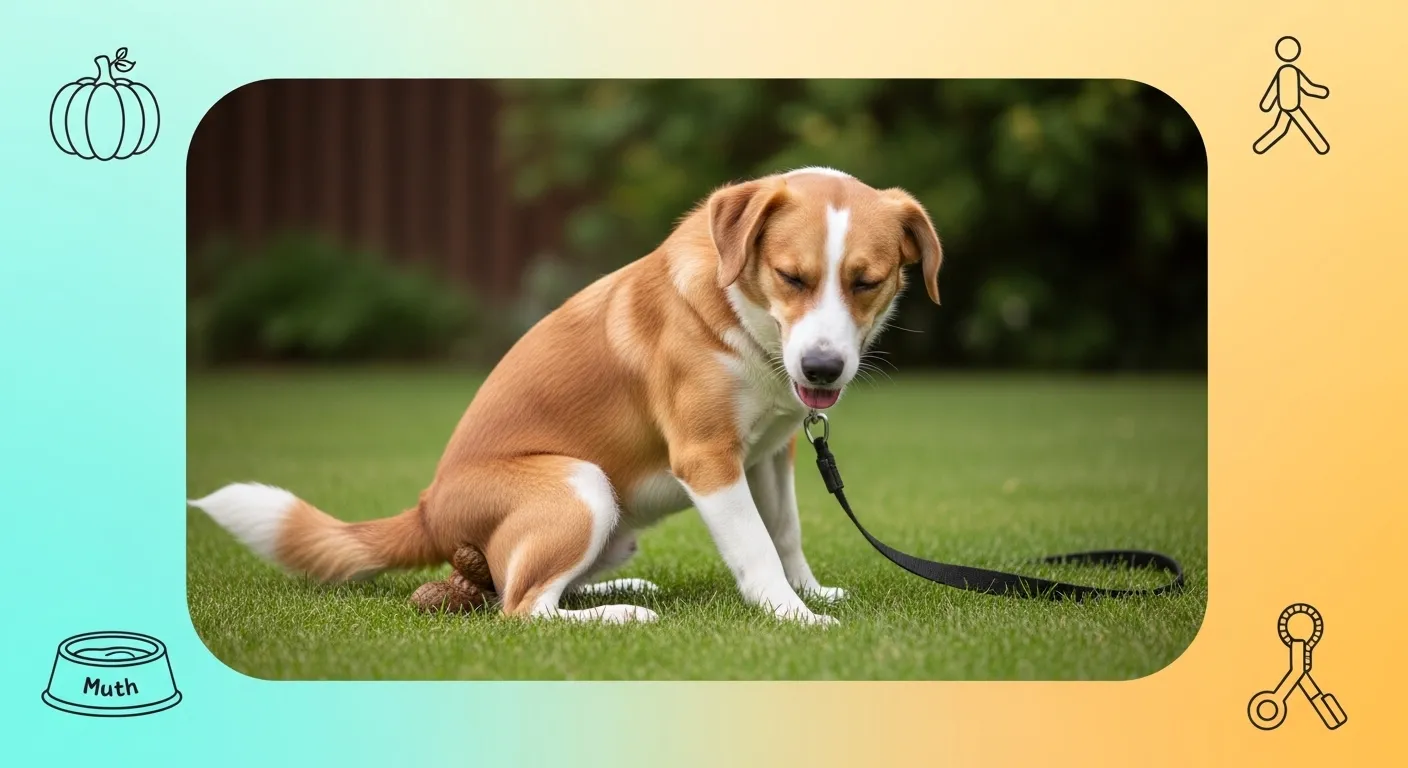
Pay attention to signals of a problem. Your dog could push hard with little to show for it. They might pace in circles or drag their rear on the floor. Stools that come out dry and small like rocks signal an issue. Reduced hunger or throwing up can happen too. Signs of hurt include cries or a stiff abdomen. No bowel movement for more than 48 hours calls for concern. If you spot these, try our pet symptom checker to get initial insights on possible conditions.
Home Remedies to Help Your Dog Poop
Once a vet gives the go-ahead, use these mild methods at home. They center on adding hydration, roughage, and movement to smooth things out.
Boost Water Intake
Make sure clean water is always there. Mix in some no-salt broth to make meals more tempting. A flowing water dish can prompt more sips. This approach helps soften waste and keeps routines steady.
Add Pure Pumpkin
Stir plain pumpkin from a can into their chow. Aim for one teaspoon for every 10 pounds they weigh. It adds fiber and liquid to aid progress. Avoid the kind with pie spices or sugar. Pumpkin is one of many safe veggies; see our list of what vegetables can dogs eat for more options that support gut health.
Switch to Wet Food
Go for canned options to up the moisture. Combine it with kibble to ease the change. This hydrates the insides better. Use our pet food safety checker to confirm any new items are okay for your dog.
Use a Bit of Oil
Add a tiny amount of olive or coconut oil to their dish. It serves as a slick aid for passage. Keep portions small to steer clear of runny results. For details on coconut oil, read our vet guide on is coconut oil safe for dogs.
Get Moving with Exercise
Head out for extended strolls or toss a ball around each day. Motion gets the insides working. Go for brief outings if energy is low. Learn more about daily needs in our post on how much exercise does a dog need daily.
Try Probiotics
Pick supplements okayed by a vet for probiotics. They help even out gut flora for smoother ops. Stick to the label for amounts.
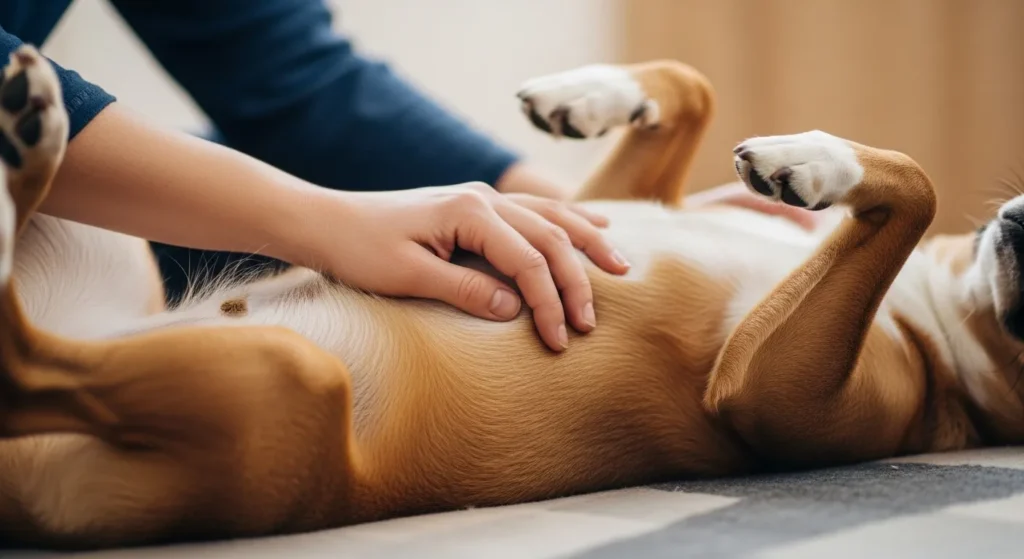
Gentle Belly Rub
Rub the tummy area in light, round motions. It might encourage action in light situations. Halt if it seems to hurt.
When to See a Vet
Certain cases call for expert help. Head in if nothing improves after two days. Note blood in waste or ongoing effort. No interest in food or repeated vomiting means act fast. Stay away from home enemas or stool softeners without advice. Vets can spot obstructions or deeper problems. If vomiting shows up with constipation, check our article on why is my dog vomiting for related causes.
Track your dog’s patterns closely. These steps often resolve things promptly. Prioritize their well-being with vet input.