
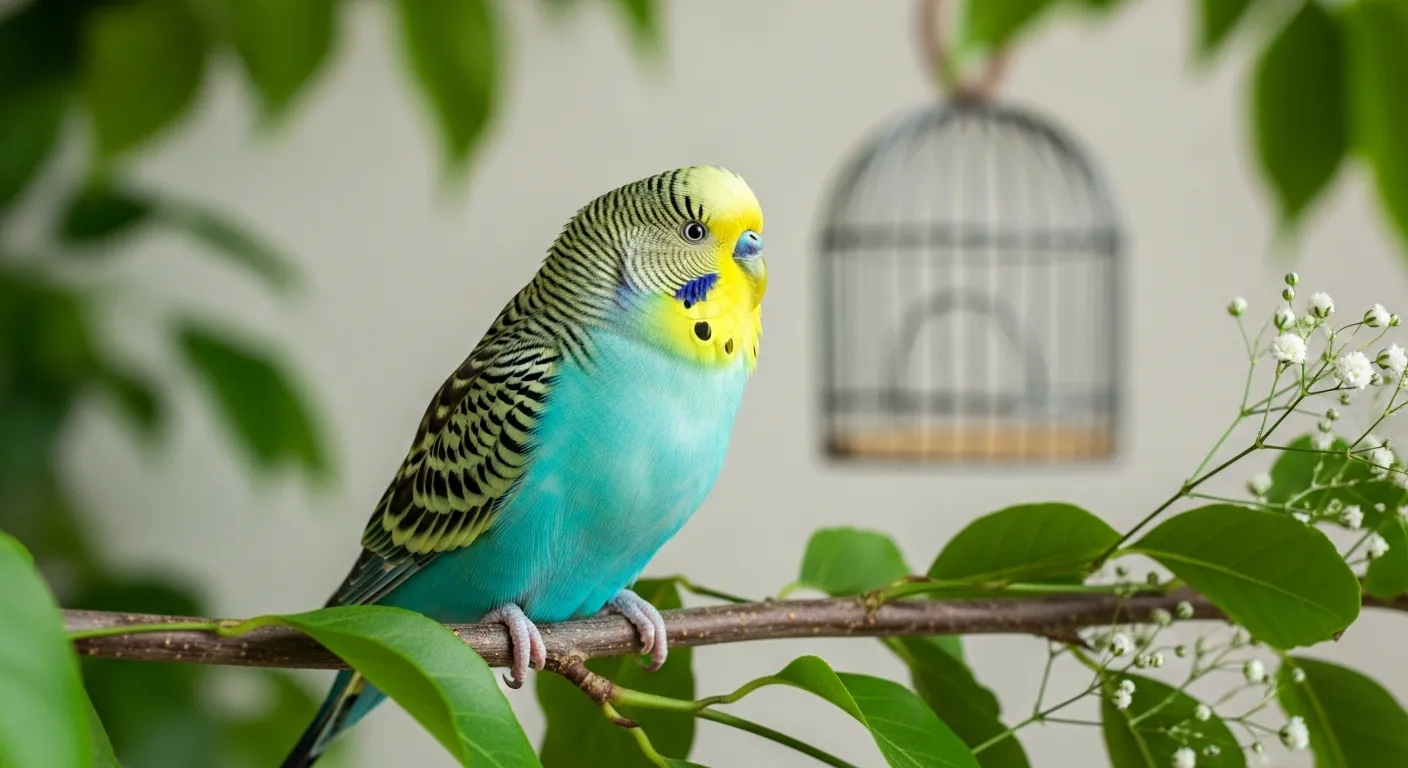
Parakeets, often called budgies, are lively small parrots native to Australia. They display vibrant colors and can thrive as pets with proper attention. A well-cared-for parakeet may reach 15 years of age. This guide offers key steps for those starting out.
Getting Your First Parakeet
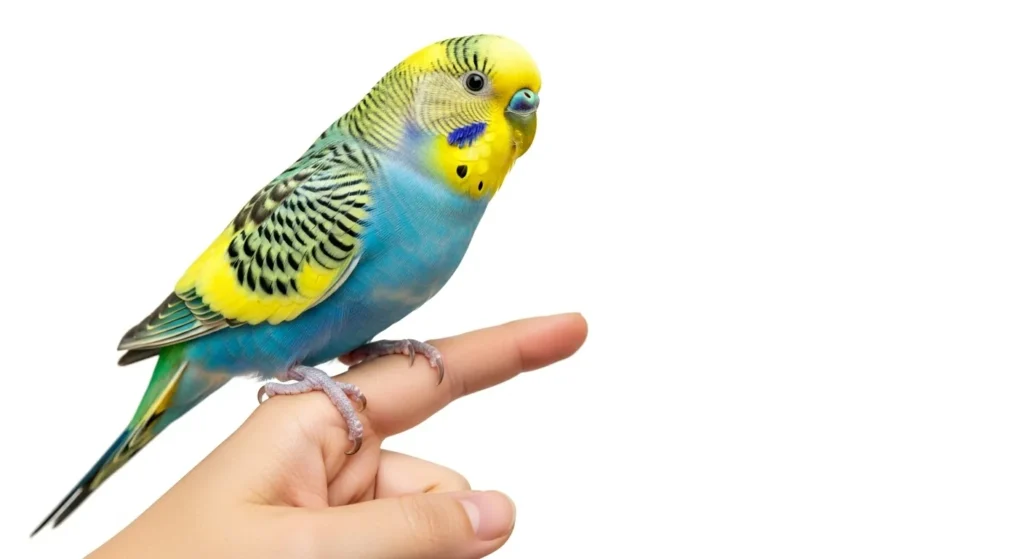
Choose a lively bird from a reliable source like a breeder or pet shop. Ensure it has bright eyes and smooth feathers. Inquire about its background; birds around eight weeks bond well. Older ones, past six months, might need more time to settle. Pairs provide companionship, as these birds prefer flocks. Any gender mix suits small groups.
- Inspect for clear nostrils and no signs of illness.
- Observe its energy and curiosity.
- Quarantine newcomers to protect existing pets.
If you’re deciding on a bird type, consider our guide on best pet birds for beginners.
Once home, try the pet name generator for fun ideas tailored to birds.
(Source: Omlet.us, Animal Humane Society)
Setting Up the Cage
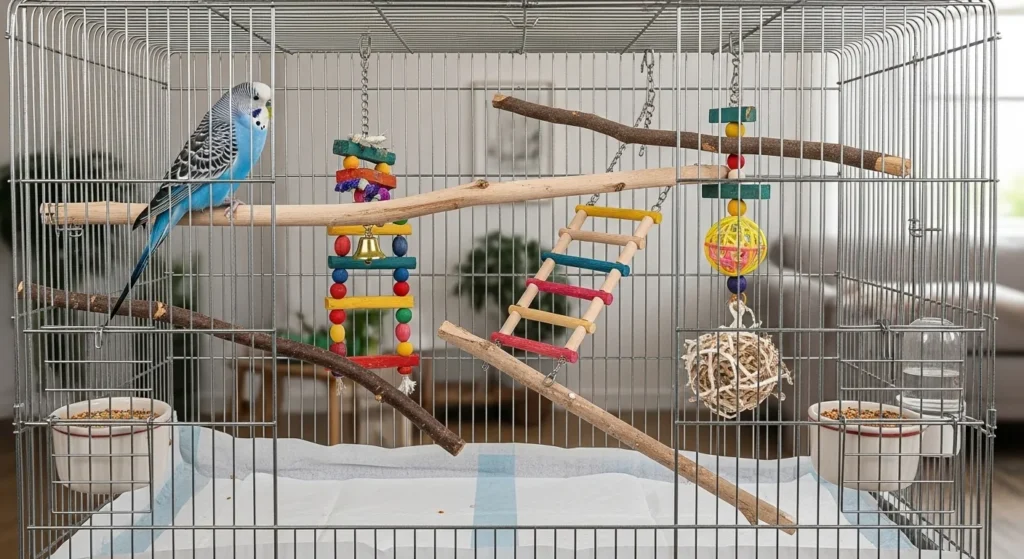
Provide ample space for flight; select a cage at least 32 inches across for one bird. Vary perch diameters and types to support feet. Add play items like bells and ropes. Line the bottom with easy-to-change paper.
Position in a family area, free from cold air or fumes. Maintain room warmth between 68 and 80 degrees Fahrenheit. Supervise daily outings in secure rooms. Block hazards such as open windows.
- Opt for metal bowls for meals and hydration.
- Include natural wood for gnawing.
- Create a quiet corner for rest.
(Source: Chewy.com, Pet Advocacy Network, The Spruce Pets)
Daily Diet Needs
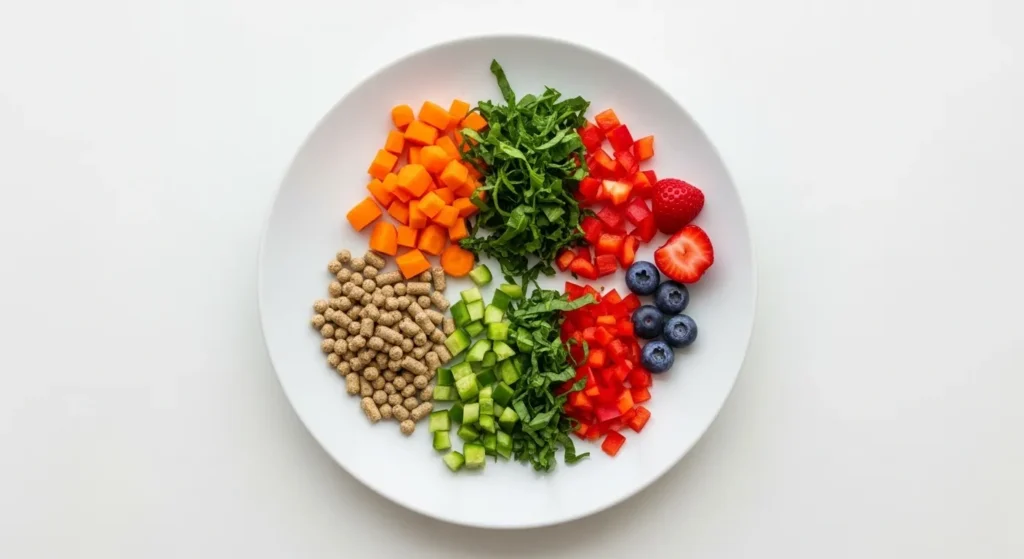
Base meals on quality pellets, forming 60 to 70 percent of intake. Supplement with chopped produce such as leafy greens, root veggies, and berries. Introduce cooked grains sparingly. Refresh water bowls daily.
Limit seed mixes to prevent imbalances. Steer clear of harmful foods like certain fruits or sweets. Use rewards modestly.
- Select trusted pellet options from makers like Harrison’s.
- Rinse all fresh items.
- Vary offerings to promote full consumption.
(Source: PetMD, PetSmart, Parrot Forums, Chewy.com)
Health and Grooming Basics
Schedule annual checkups with a bird specialist. Monitor for changes like reduced activity or weight loss. Issues often stem from nutrition or excess weight. Offer natural light or special bulbs for essential nutrients.
Encourage bathing with a flat container of water. Spray gently several times weekly. Handle claw clipping carefully, or seek professional help initially.
- Spot-clean housing each day.
- Consult on supplements if required.
- Ensure full darkness for sleep cycles.
For quick insights on potential problems, use the pet symptom checker.
To compare your bird’s age in human terms, try the pet age calculator.
(Source: Chewy.com, Pet Advocacy Network, Animal Humane Society)
Understanding Behavior
These birds enjoy activity and sounds. They groom, explore, and communicate often. Dedicate half an hour daily to interaction. Solo birds benefit from more human contact.
Note unusual habits like feather loss or labored breaths. Address promptly with care.
- Interact through gentle play.
- Refresh toys regularly.
- Allow short rests midday.
(Source: Chewy.com, PetMD, Reddit)
Training Your Parakeet
Build rapport first. Reward progress with small incentives. Practice basic commands like perching on command. Limit time to avoid stress. Younger, handled birds respond quicker.
Stay consistent and kind. Read their cues.
- Praise with affection or bits of food.
- Choose calm environments.
- Foster connection over time.
(Source: Chewy.com, YouTube video, Omlet.us)
Common Challenges
Stress from changes or isolation affects them. Household dangers include other animals. Poor feeding leads to concerns. Correct with routine and protection.
Companions help busy owners. Monitor group dynamics.
For similar care ideas, see the lovebird species comparison guide.
(Source: Chewy.com, Quora, The Spruce Pets)
Consistent effort leads to a content companion. Apply these practices for success.