
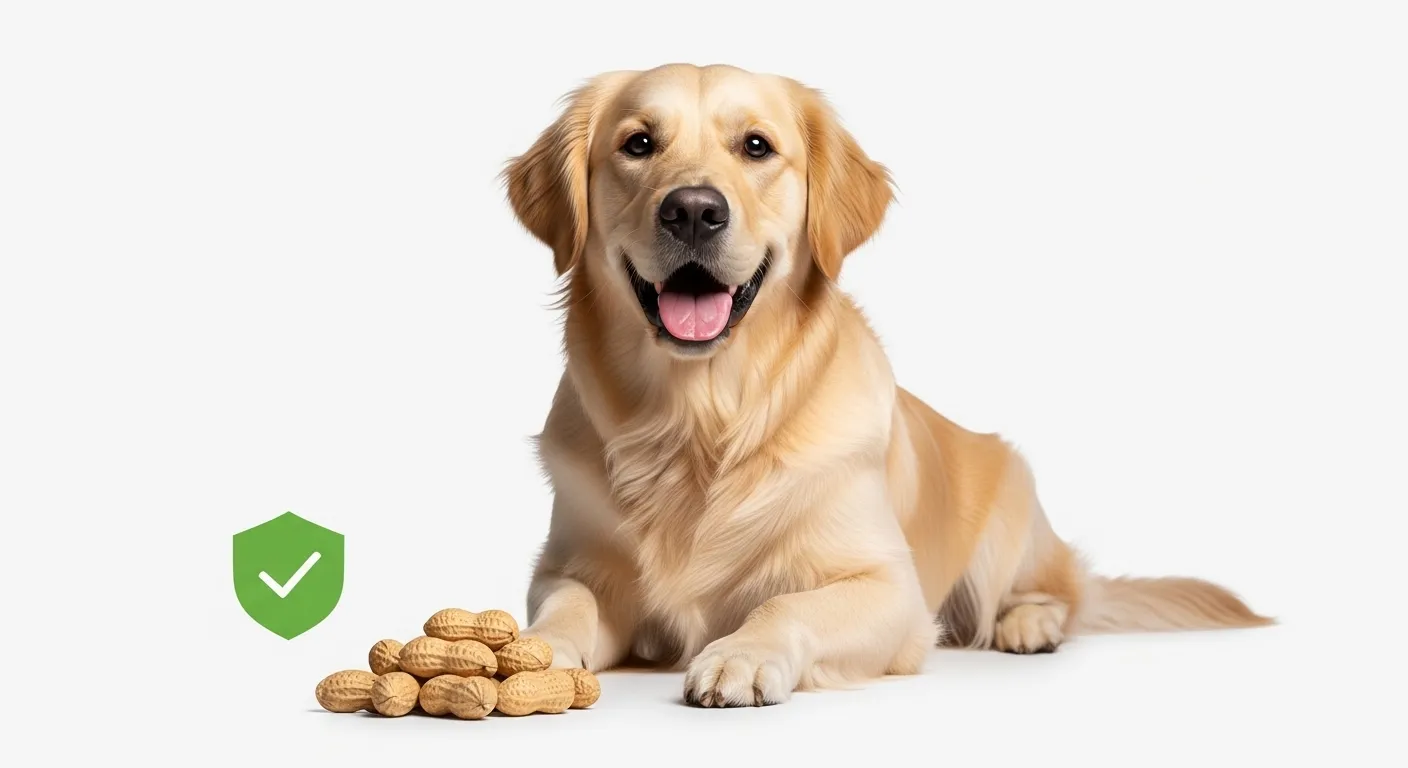
Many dog owners wonder about sharing human snacks with their pets. Peanuts often come up in these questions. This guide covers the basics to help you decide if peanuts fit into your dog’s diet.
Benefits of Peanuts for Dogs
Peanuts offer some nutritional value for dogs. They provide protein, which helps with muscle health. Vitamins like B-6 and E support skin and coat condition. Niacin aids in energy production. Healthy fats contribute to overall well-being.
These elements make peanuts a potential treat. Still, they should not replace a balanced dog food.
Risks Involved
Peanuts carry certain dangers for dogs. Their high fat level can lead to stomach problems. Too much fat might trigger pancreatitis, a serious condition.
Regular large amounts could cause weight gain. Shells pose a choking risk or block the intestines.
Raw peanuts sometimes contain a fungus called aflatoxin. This can harm the liver.
Allergies to peanuts are very uncommon in dogs. Only one known case exists.
Signs of trouble include vomiting, diarrhea, low energy, or pain in the belly. See a vet right away if these appear. If you notice these issues, try our pet symptom checker for initial insights.
Safe Ways to Feed Peanuts
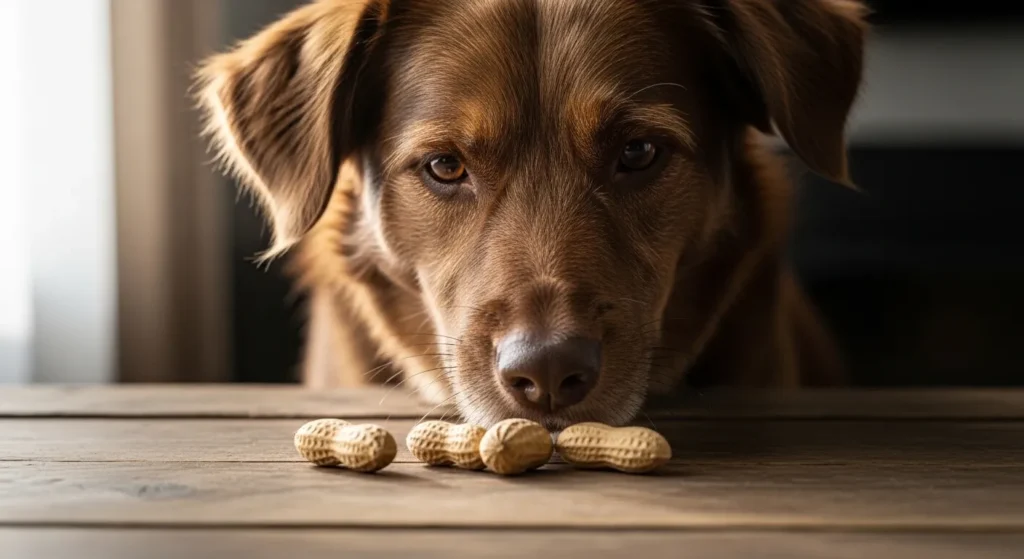
Choose the right kind of peanuts for safety. Go for plain, unsalted, dry-roasted or raw ones. Always remove the shells first.
Avoid salted or flavored varieties. Skip honey-roasted or those with coatings like chocolate. These can be harmful.
Boiled peanuts are not a good choice. They often have added salt and come in shells.
For peanut butter, pick versions without xylitol. This sweetener is toxic to dogs. Plain peanut butter works best, with little added sugar or salt. Learn more in our post on is peanut butter good for dogs.
Wondering about other nuts? Check our guide on can dogs eat cashews.
Portion Guidelines
Keep portions small. Peanuts should make up no more than 10 percent of your dog’s daily calories. The main diet needs to come from complete dog food.
Here are rough daily limits, split into two servings:
- Very small dogs (2-20 pounds): 1-2 peanuts or 1/4 tablespoon peanut butter.
- Small dogs (21-30 pounds): 2-3 peanuts or 1/2 tablespoon peanut butter.
- Medium dogs (31-50 pounds): 5-6 peanuts or 3/4 tablespoon peanut butter.
- Large dogs (51-90 pounds): A handful of peanuts or 1 tablespoon peanut butter.
- Very large dogs (over 91 pounds): A large handful of peanuts or 1.5-2 tablespoons peanut butter.
Adjust based on your dog’s size and health. Talk to your vet for exact advice. For broader food safety, use our pet food safety checker.
When to Talk to Your Vet
Check with a vet before adding peanuts to your dog’s routine. This matters more if your dog has health conditions or follows a special diet.
Your vet can guide you on safe amounts and types.
Final Thoughts
Peanuts can be a safe occasional treat for most dogs when prepared right. Focus on plain, shelled versions in limited amounts. Watch for any bad reactions and consult your vet as needed. This approach keeps your dog healthy while enjoying a simple snack.
Curious about other safe foods? See our list of what vegetables can dogs eat.