
Siamese cats stand out among breeds for their unique looks and lively nature. These felines come from ancient roots and have become favorites in many homes. This guide covers their main features based on reliable sources. If you’re thinking about adding one to your family, take our pet breed finder quiz to see if it matches your lifestyle.
Physical Appearance
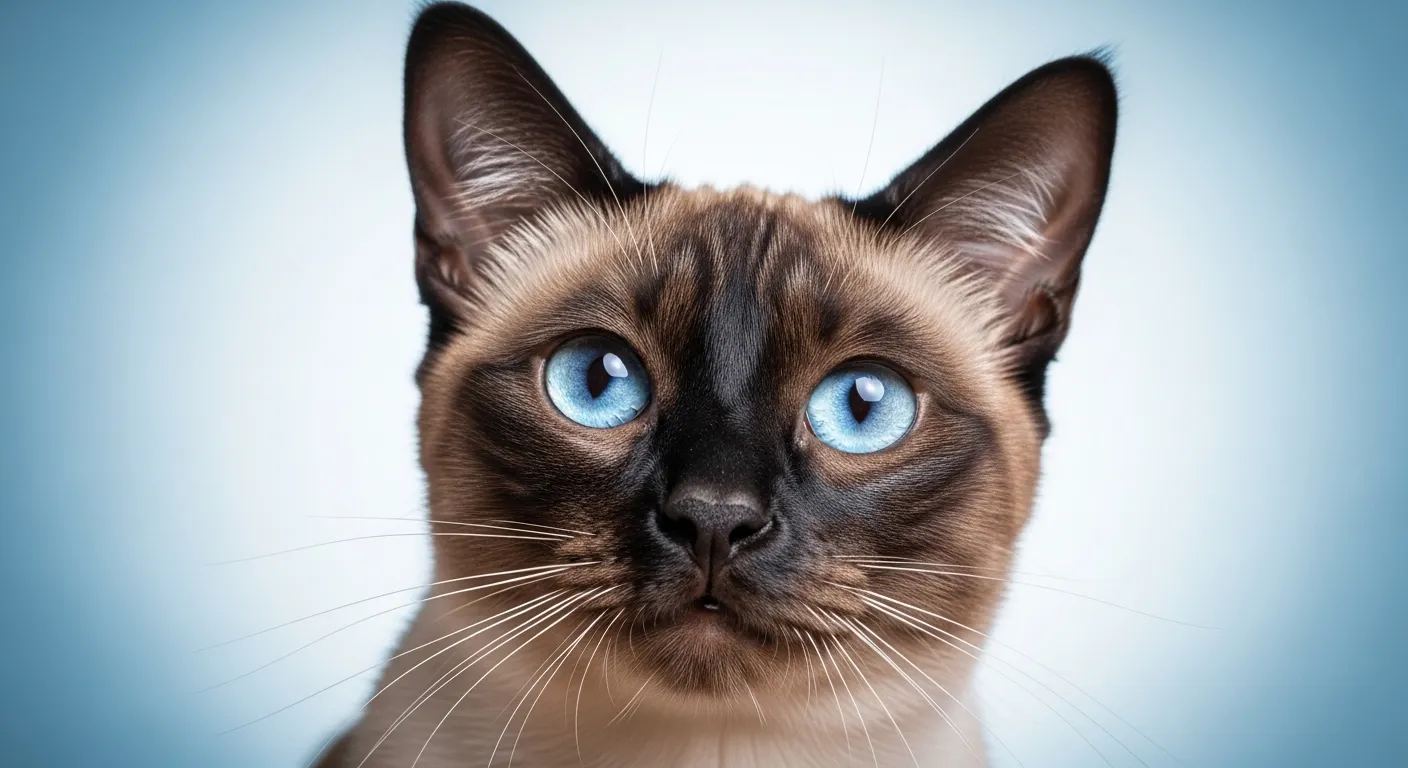
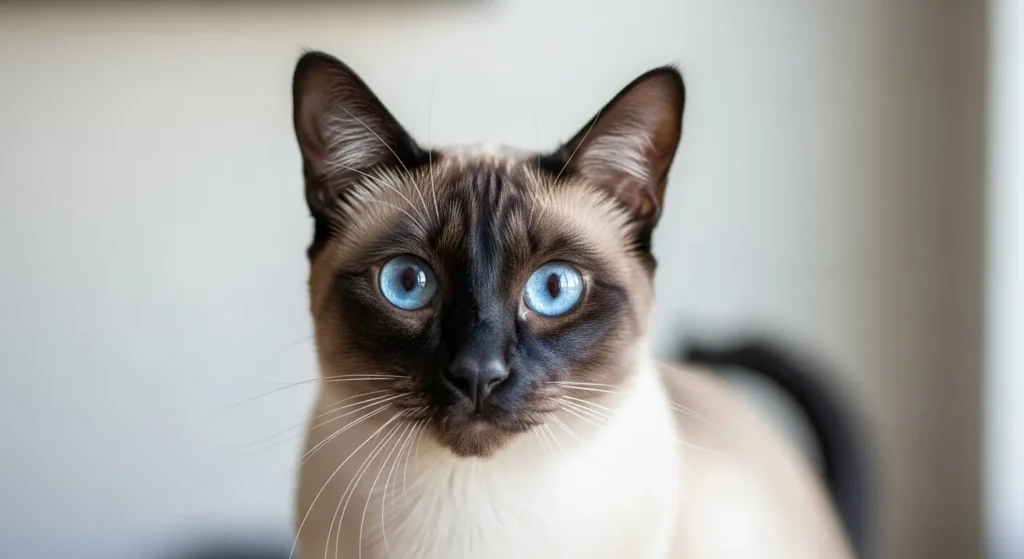
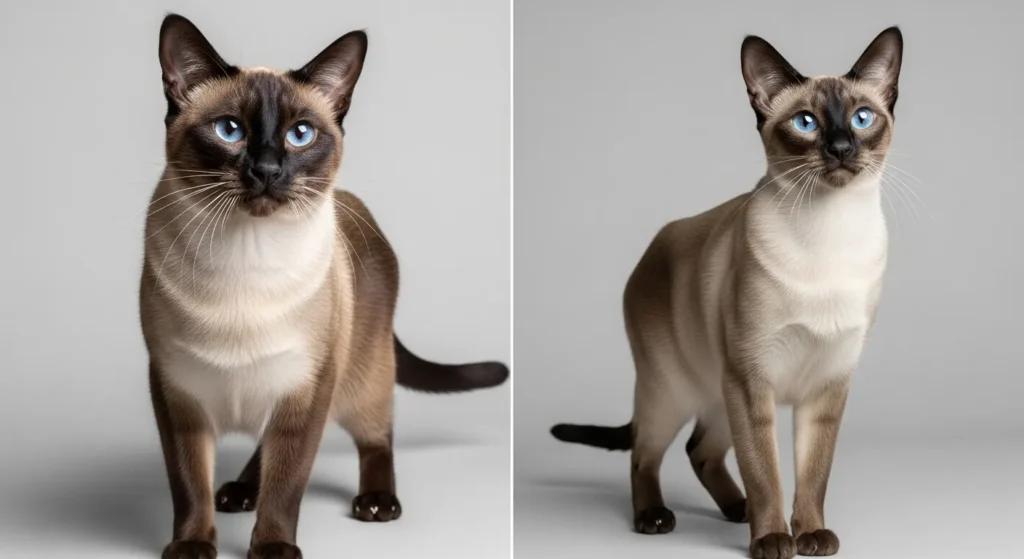
Siamese cats have a sleek, medium build that looks graceful and strong. Their bodies are long and slim with firm muscles. The head forms a wedge shape, wider at the ears and narrowing to the nose.
Eyes are almond-shaped and always a vivid blue. Ears sit large and pointed on the head. Legs are slender, with the back ones slightly taller than the front. Paws are small and oval.
The coat is short, glossy, and close to the skin. It shows a color point pattern, where the body is pale and the face, ears, tail, and legs are darker. Common point colors include seal, chocolate, blue, and lilac.
There are two main types. Traditional Siamese have rounder heads and fuller bodies. Modern ones are thinner with sharper wedge heads.
Males often weigh 8 to 12 pounds. Females tend to be smaller, under 8 pounds. They can grow up to 24 inches long.
Personality and Behavior
Siamese cats form close bonds with people. They act affectionate and seek company often. Many follow their owners around the house like loyal companions.
These cats talk a lot with loud, distinct meows. They use their voices to share thoughts or ask for attention. Intelligence marks this breed, making them quick learners.
Playful and active, Siamese enjoy games and toys. They fit well in homes with kids or other animals if socialized early. Some may pick one person as their favorite. To check how a Siamese might get along with your current pets, try our pet compatibility checker. For contrast, read about the calmer Ragdoll cat personality, which shares some roots with Siamese but differs in energy levels.
They can feel lonely if left alone too long. Pairs of Siamese often keep each other company.

Care Requirements
Grooming stays simple for Siamese cats. Brush the coat once a week to remove loose fur. Trim claws every couple of weeks. Provide scratching posts to save furniture. Learn more in our guide on how to trim cat nails safely.
Feed a balanced diet suited to their age. Mix dry and wet food for health benefits. Keep fresh water available. Watch portions to prevent weight gain.
They need daily play to stay fit. Use puzzle toys or teach tricks. Cat trees help with climbing. Keep them indoors to avoid risks.
Brush teeth regularly for good oral health. Start young to make it easy. For occasional baths, follow our tips on how to bathe a cat safely.
Health Issues
Siamese cats live 12 to 20 years on average.
They may face breathing problems from their head shape. Heart conditions like hypertrophic cardiomyopathy occur sometimes. Amyloidosis affects organs in some cases.
Eye issues, such as progressive retinal atrophy, can happen. Test for genetic conditions. Regular vet visits help catch problems early. If you notice any symptoms, use our pet symptom checker for initial guidance.
Keep up with shots and parasite control.
Breed History
Siamese cats trace back to Thailand, once called Siam. Ancient texts from the 14th century mention them.
They reached the West in the late 1800s. A pair went to England in 1884. The breed gained fans quickly.
Cat groups recognized them early. The Cat Fanciers’ Association did so in 1906.
Over time, breeders shaped the modern look. Some prefer the older, rounder style now called Thai in places.