

Cats grow fast in their early months. Owners often wonder about the end of this phase. This guide covers timelines, signs, and care tips. It draws from vet insights to help you track your cat’s progress.
Cat Growth Stages
Cats pass through clear phases from birth to adulthood. Each stage brings changes in size and needs.
Kitten Phase: Birth to 6 Months
Kittens start small, around 3 to 4 ounces at birth. They double in weight in the first week. By 4 weeks, they weigh about a pound. Growth peaks here, with gains of 0.25 pounds per week. Eyes open by 2 weeks, and teeth come in around 3 weeks. Play helps build muscles. Feed them often, up to 4 times a day.
For more on early development, check our post on how many teeth do cats have.
Junior Phase: 6 Months to 2 Years
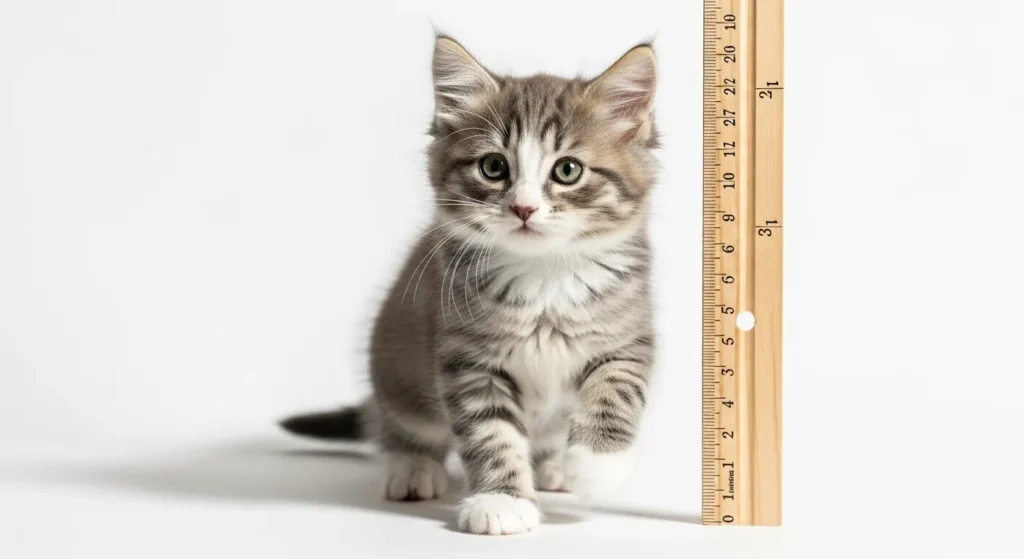
Growth slows after 6 months. Most cats reach full height by 9 to 10 months. They fill out with muscle until 12 to 18 months. Females often stop at 10 to 12 months. Males may go to 18 months. Larger breeds keep adding size past this. Behavior shifts to more independence. They test limits and mark territory.
Use our pet age calculator to compare your cat’s age to human years.
Adult Phase: 2 Years and Beyond
By 2 years, nearly all cats are full size. Weight should stabilize. Any later gains come from fat, not bone growth. Keep up with checkups to spot issues early.
Factors That Affect Cat Growth
Several things shape how and when your cat grows. Know these to set expectations.
- Breed: Small breeds like Siamese finish by 9 to 12 months. Large ones like Maine Coons may grow until 4 years. They can reach 18 pounds or more.
- Gender: Males grow slower and end up larger. Females mature faster.
- Spay or Neuter: Done early, it can lead to taller cats. Growth plates close later. Talk to your vet about timing.
- Diet: Good food with protein and minerals supports steady growth. Poor nutrition slows it. Switch to adult food by 12 months.
- Health: Parasites or illness can stunt size. Regular vet visits help.
For diet tips, see our guide on can cats eat catnip.
How to Know If Your Cat Has Stopped Growing
Watch for these signs over a few months.
- No change in height or length.
- Weight stays the same on a steady diet.
- Broader shoulders and fuller body without extra fat.
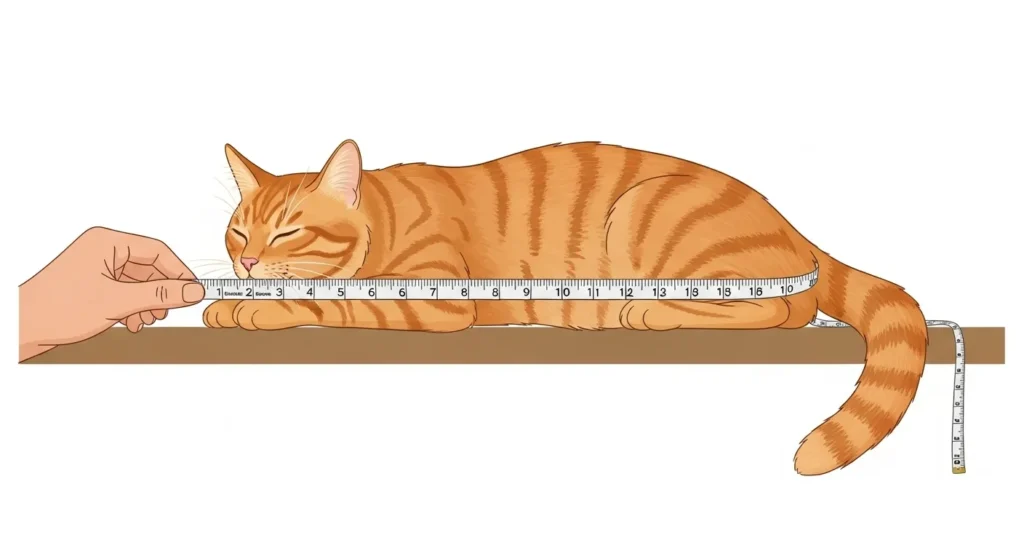
Measure monthly. Use a tape for length from nose to tail base. Weigh on a scale. If unsure, ask your vet for an x-ray of growth plates.
Care Tips as Your Cat Grows
Needs change with age. Adjust to keep them healthy.
Nutrition Shifts
Kittens need calorie-rich food for energy. Adults require balanced meals to avoid weight gain. Feed based on weight and activity. For questions, use our pet food safety checker.
Vet and Dental Care
Kittens see the vet every 3 to 4 weeks for shots. Adults need yearly exams. Start brushing teeth early to prevent gum problems. Seniors may need twice-yearly visits.
Link to external: For vaccine info, visit the American Veterinary Medical Association.
Activity and Alone Time
Young cats play a lot. Adults need 1 to 2 hours of daily fun in short sessions. They can stay alone up to 12 hours. Kittens under 6 months should not go over 6 hours without care.
Try our pet compatibility checker if adding a playmate.

Common Questions About Cat Growth
Here are answers to frequent searches.
- At what age are cats adults? Most are by 12 months, but full maturity hits at 18 to 24 months.
- Do large breeds grow longer? Yes, up to 4 years for some.
- How does pregnancy affect growth? Young mothers may stop early. Learn more in how long are cats pregnant.
- Can diet speed growth? No, but it ensures they reach full potential.
- What if my cat seems small? Check with a vet for health causes.
For breed picks, take our pet breed finder quiz.
Keep records of your cat’s size. This helps spot problems fast. A healthy cat lives longer. If symptoms appear, try our pet symptom checker. Your vet is the best source for advice.