
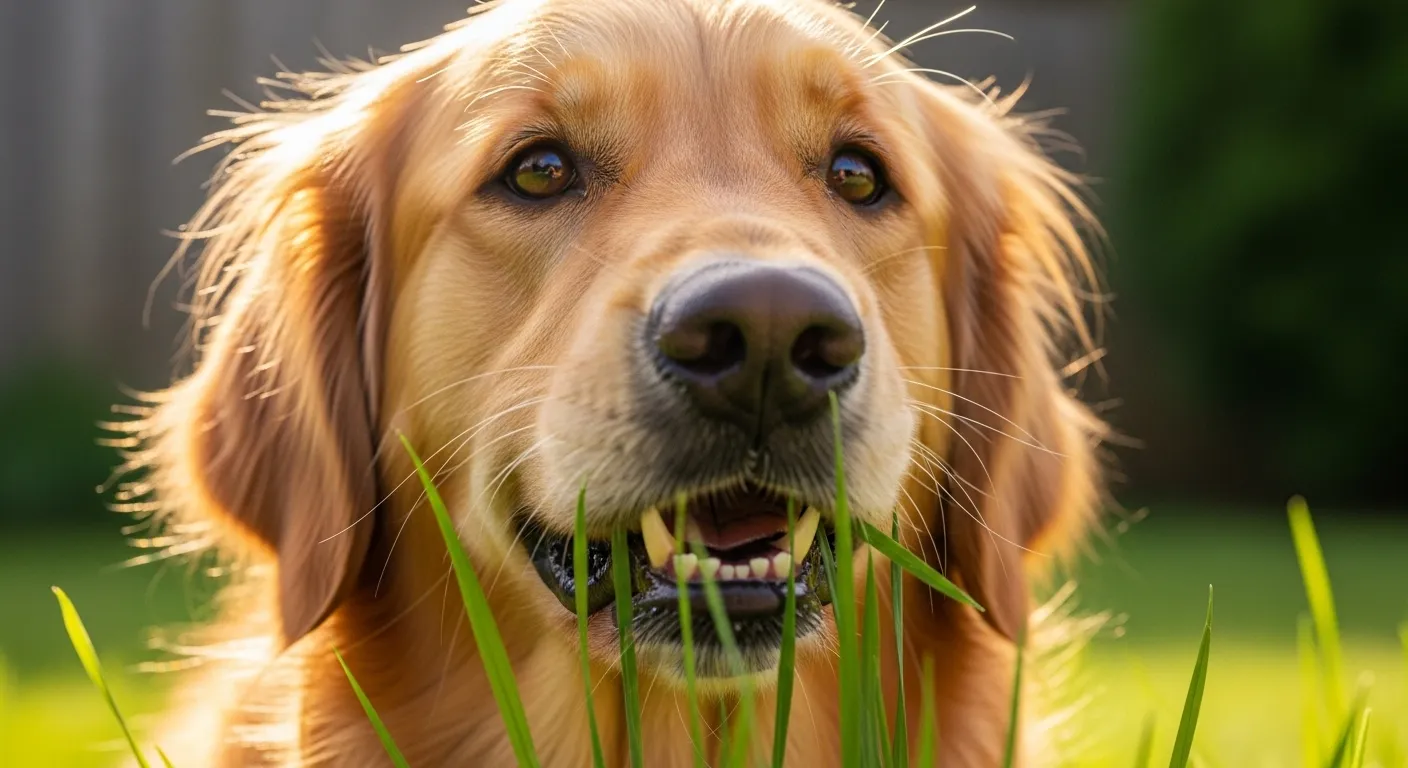
Many dog owners notice their pets grazing on grass now and then. This common sight raises questions about what it means. Drawing from expert opinions and research, several explanations stand out. We’ll cover them one by one.
Common Reasons Behind the Habit
Dogs turn to grass for various motives tied to their instincts and daily needs. Each dog might have its own trigger.
For the Taste or Simple Enjoyment
Certain dogs like the fresh taste or texture of grass. It can seem appealing, especially in warmer months. Young dogs often sample it out of pure curiosity, much like they mouth other items. This can become a routine if they find it pleasant.
To Boost Fiber Intake
Grass provides natural fiber that aids smooth digestion. It supports gut movement and stool consistency. If a dog’s regular food falls short on this, they may look to grass as a supplement. A case study noted a dog that quit plant munching after a shift to higher-fiber meals. For more on safe plant options, check what vegetables can dogs eat.
Due to Lack of Activity or Anxiety
Idle time can lead dogs to graze as a way to occupy themselves. It may also serve as a soothing action during tense moments, similar to human habits like nail-biting. Plus, if it gets your attention, they might do it more often.
Tied to Ancestral Traits
Wild canines, like wolves, include some vegetation in their intake. Studies of their remains reveal traces of plants. Modern dogs retain this tendency, possibly as a natural method to round out nutrition despite balanced kibble.
For Minor Digestive Relief
A popular idea is that dogs use grass to induce vomiting and clear upsets. Yet evidence suggests this happens in under 25% of cases, and few show prior distress. It could still ease slight issues, such as morning bile buildup. Research showed reduced grass eating in dogs with induced soft stools. If vomiting persists, see our guide on why is my dog vomiting causes solutions.
Does Grass Pose Risks to Dogs?
Usually, it’s harmless for fit dogs. But potential hazards exist. Pesticides or fertilizers on treated lawns can cause sickness. Parasites from feces in public areas add another concern. Stay current on preventives. Large amounts might lead to blockages. Try our pet food safety checker for diet tips.
To minimize issues:
- Skip chemicals in your green spaces.
- Choose clean zones for outings.
- Plant pet-safe grass at home.
Signs to Consult a Professional
Occasional nibbling is typical. But seek advice if:
- Intake spikes with unusual signs.
- They lose interest in food or energy.
- Frequent regurgitation or soft stools occur.
- You spot blood or constant lip smacking.
Exams can reveal problems like inflammation or deficiencies. Quick action helps. Use the pet symptom checker for initial insights.
Grasping this behavior supports better care. If it happens sparingly without problems, it’s often just canine nature. For related quirks, read about why do dogs eat dirt causes solutions or why do dogs eat poop causes risks fixes.