Dogs benefit from daily movement. It keeps them fit and content. The right amount varies for each pet. This guide covers key details to help you decide.
Why Dogs Need Regular Activity
Physical activity helps dogs stay at a healthy weight. It builds strong muscles and joints. Mental health improves too. Dogs with enough movement show fewer signs of stress or boredom. They are less likely to chew items or bark a lot. Regular walks or play can prevent bad habits. To address common issues like too much barking, see our tips on how to stop dog barking.
Factors That Affect Exercise Needs
Several things determine how much activity a dog requires. Consider these to set a routine.
Breed and Energy Level
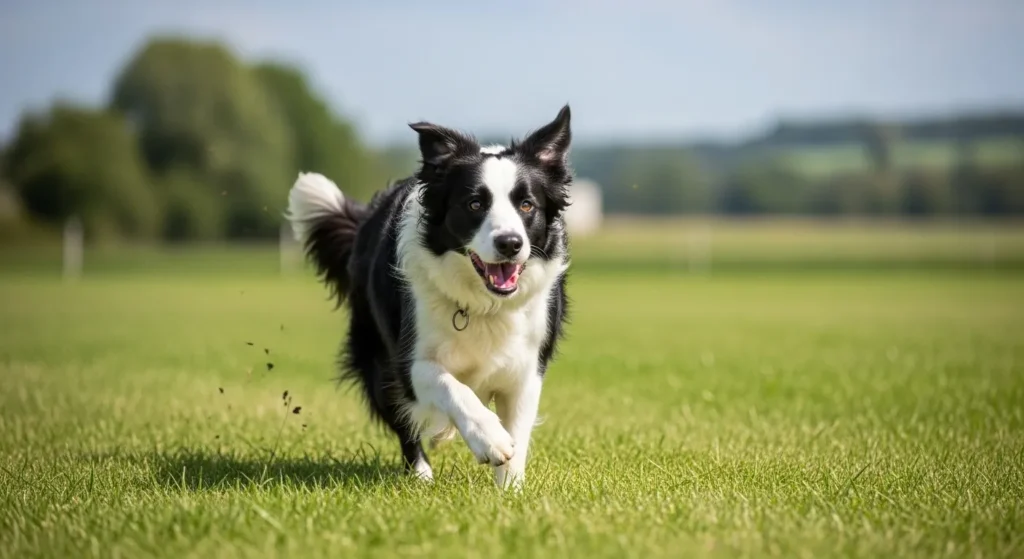
Some breeds have high energy. They need more time to run or play. For example, border collies or labrador retrievers often require up to two hours of vigorous activity each day. Others, like bulldogs or shih tzus, do well with shorter sessions of 30 to 45 minutes. Working or hunting breeds tend to need the most. If you’re unsure about your dog’s breed, try our pet breed finder quiz for guidance.
Age and Life Stage
Puppies handle short bursts. Aim for five-minute play times several times a day. Avoid hard jumps. Adult dogs usually need at least 30 minutes, sometimes up to two hours. Senior pets prefer gentle options for 30 to 60 minutes. Break it into small parts if needed. Check your dog’s age in human terms with our pet age calculator to better understand their stage.
Health Conditions
Health plays a big role. Dogs with joint problems or heart issues should stick to low-impact choices like swimming. Overweight pets may start slow to build stamina. Always check with a vet for advice. For any unusual signs, use our pet symptom checker as a starting point.
General Guidelines for Daily Exercise
Most dogs need 30 minutes to two hours of activity each day. Small breeds might get by with less, around 30 minutes to one hour. Larger or active ones could use two hours or more. Include at least one walk.
- Low-energy dogs: 20 to 45 minutes.
- Moderate-energy: 30 to 60 minutes.
- High-energy: 60 to 120 minutes.
Types of Exercise for Dogs
Mix physical and mental tasks. This keeps things balanced. Combine with training sessions for better results. Read our post on how to train your dog for basic steps.
Outdoor Options
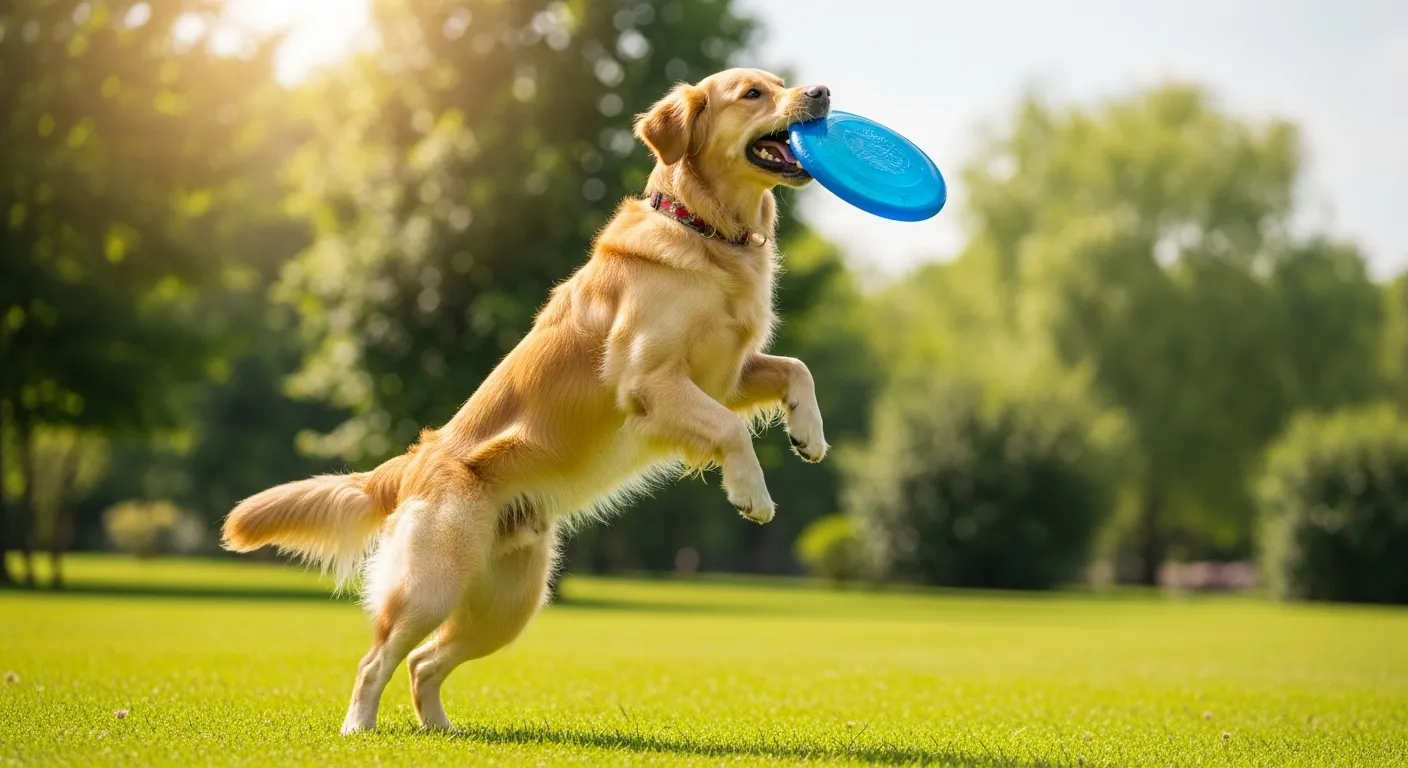
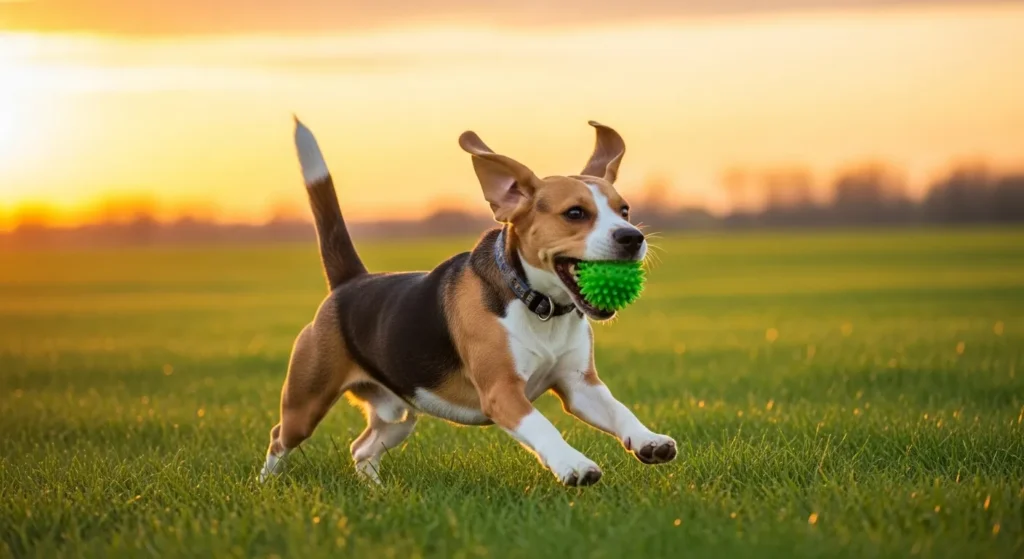
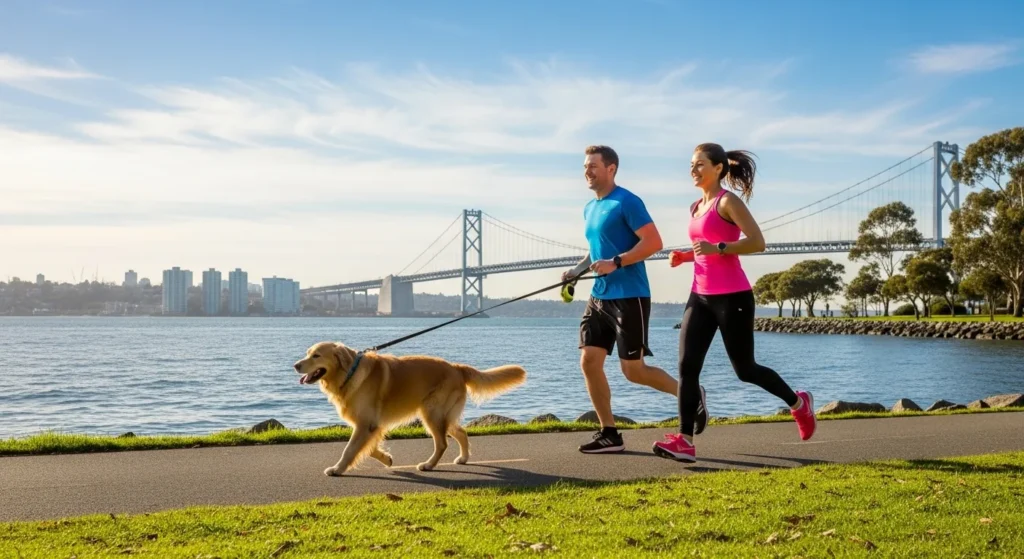
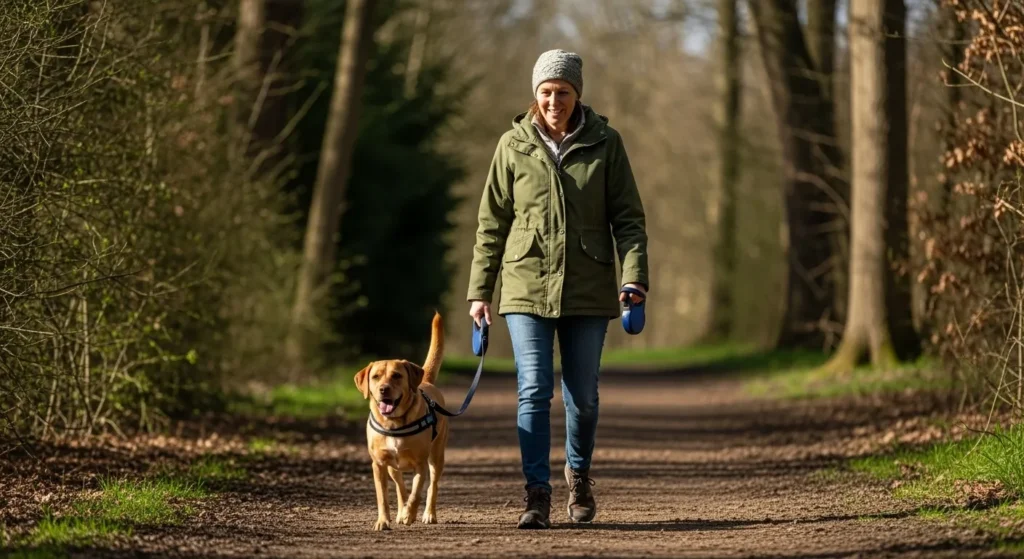
Walks help burn energy. Try hikes for variety. Swimming works well for joints. Fetch suits many breeds.
Indoor Alternatives
On bad weather days, play tug. Set up simple courses with furniture. Use toys that dispense treats.
Mental Stimulation Activities
Hide treats for sniffing. Teach new commands. Puzzle toys challenge the mind. These count toward daily needs.
Signs Your Dog Needs More or Less Exercise
Watch for clues. Adjust as you go.
Not Enough
Look for extra weight or restlessness. Destructive chewing or too much barking can signal boredom. Low energy might mean the same. This could lead to behaviors like why does my dog bite me.
Too Much
Heavy breathing or sore paws show overdoing it. If the dog avoids play or limps, ease up.
Tailor activity to your dog’s traits. A vet can offer more tips. With the right plan, your pet stays healthy and happy. For overall wellness, pair this with proper nutrition—check out what vegetables can dogs eat.