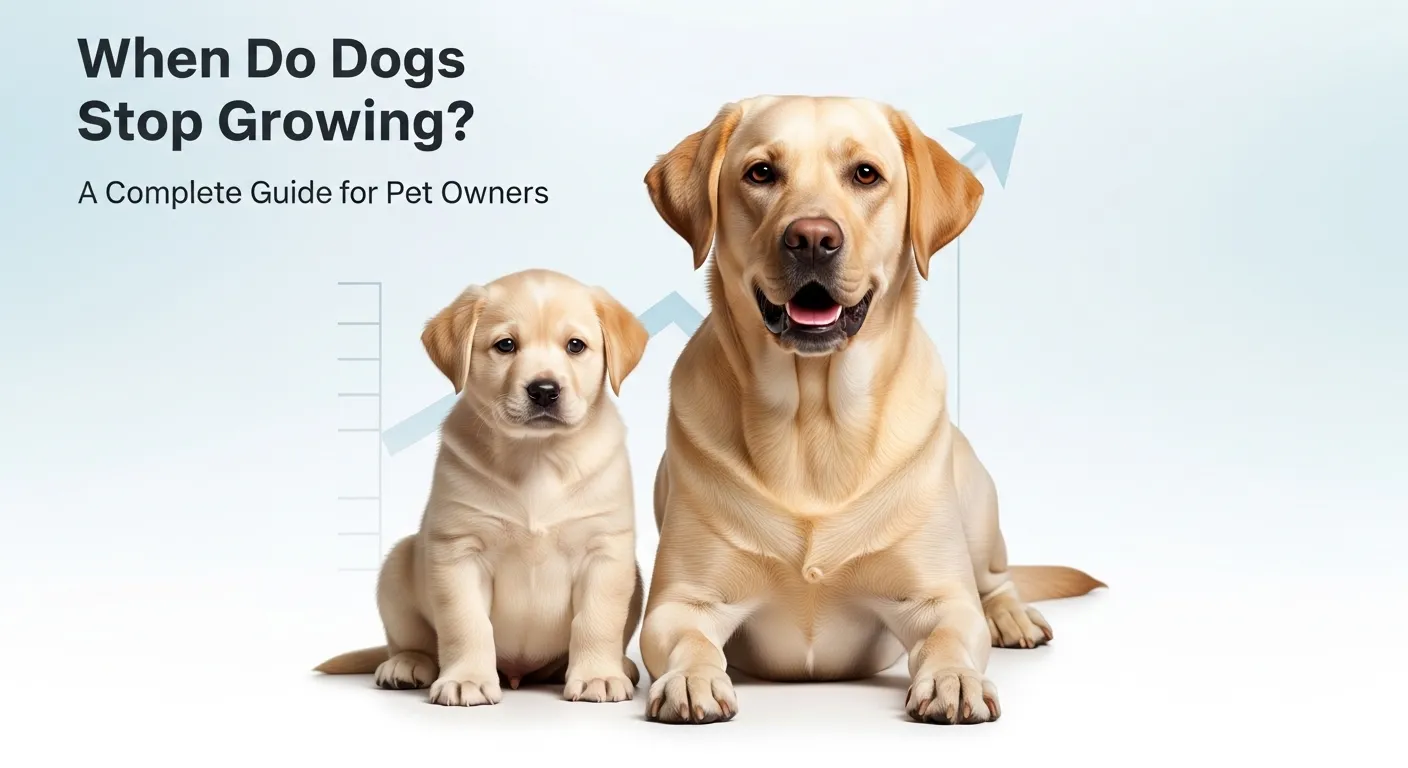
Puppies grow fast, but when do they reach their full size? Knowing when dogs stop growing helps you plan their diet, exercise, and care. This guide explains puppy growth stages, factors affecting growth, and how to support your dog’s development. We’ll cover breed differences, nutrition, and health tips to ensure your puppy grows healthy and strong.
Why Understanding Puppy Growth Matters
Puppies change quickly. Their growth affects their diet, exercise, and training needs. By understanding when dogs stop growing, you can:
- Choose the right food for their growth stage.
- Avoid over-exercising young dogs, which can harm joints.
- Buy properly sized supplies like collars and crates.
- Monitor their health for proper development.
Use our Pet Symptom Checker to track any growth-related concerns.
Puppy Growth Stages: A Timeline
Puppies go through distinct growth stages. Each stage has unique needs. Here’s a breakdown:
Neonatal Period (0–2 Weeks)
- Puppies rely on their mother for food and warmth.
- They have limited movement and only sense taste and touch.
- Eyes and ears are closed.
Transitional Period (2–4 Weeks)
- Eyes open, and hearing develops.
- Puppies start walking and interacting with littermates.
- Baby teeth emerge.
Socialization Period (3–12 Weeks)
- Puppies learn social skills from their mother and littermates.
- Human interaction is crucial for confidence.
- They start eating solid food by 6–8 weeks.
Juvenile Period (3–6 Months)
- Rapid growth occurs, especially in small breeds.
- Adult teeth replace puppy teeth by 6 months.
- Training and socialization shape behavior.
Adolescence (6–18 Months)
- Growth slows, but large breeds continue growing.
- Dogs develop muscle and fill out.
- Behavior may become more independent.
Adulthood (1–2 Years)
- Most dogs reach full height by 12–18 months.
- Large breeds may grow until 24 months.
- Muscle and fat development continues.
When Do Dogs Stop Growing?
Dogs stop growing when their growth plates—soft areas of cartilage at the ends of bones—harden into solid bone. This process, called ossification, varies by breed, size, and other factors. Here’s a general guide:
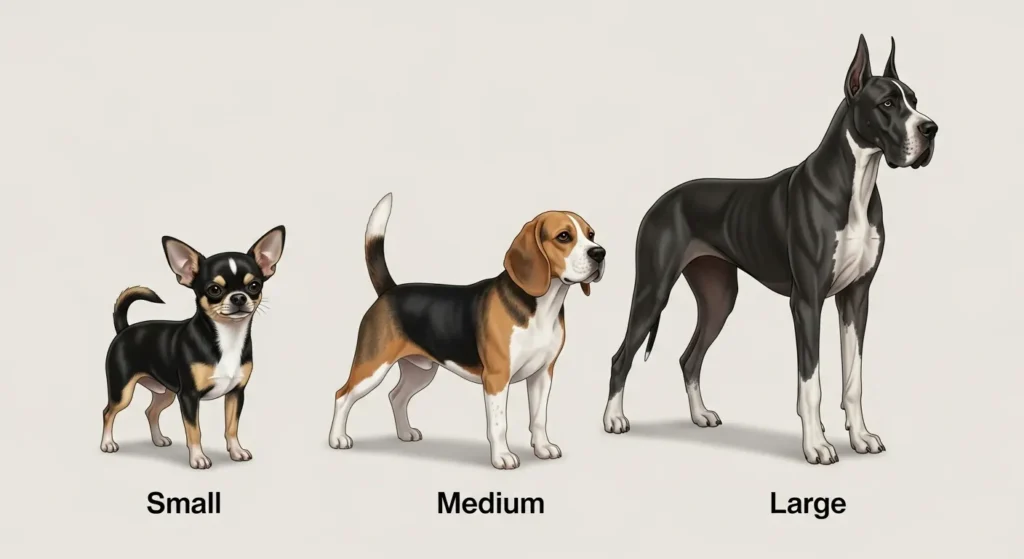
- Small Breeds (e.g., Chihuahua, Pug): Fully grown by 6–12 months.
- Medium Breeds (e.g., Beagle, Cocker Spaniel): Reach full size by 12–15 months.
- Large Breeds (e.g., Labrador Retriever, German Shepherd): Stop growing by 18–24 months.
- Giant Breeds (e.g., Great Dane, Mastiff): May grow until 24–36 months.
To estimate your dog’s adult size, check their breed or try our Pet Breed Finder Quiz. For mixed breeds, a DNA test or vet consultation can help.
Factors That Affect Dog Growth
Several factors influence when and how big your dog will grow:
Breed and Genetics
- Breed is the biggest factor. Small dogs grow faster; large dogs take longer.
- Genetics determine size, shape, and growth rate.
- Mixed-breed dogs may vary based on parent sizes.
Nutrition
- Puppies need high-protein, high-fat food with balanced calcium and phosphorus.
- Overfeeding can cause obesity or joint issues, especially in large breeds.
- Underfeeding may stunt growth.
- Choose puppy-specific food until adulthood. Check safety with our Pet Food Safety Checker.
Health and Veterinary Care
- Parasites like worms can steal nutrients, slowing growth.
- Regular vet visits ensure proper development.
- Vaccinations protect against diseases that affect growth.
Spaying or Neutering
- Early spaying/neutering may delay growth plate closure, making dogs slightly taller.
- Consult your vet for the best timing, especially for large breeds.
Exercise
- Moderate exercise supports muscle and bone growth.
- Too much exercise, like jumping or running, can damage soft growth plates.
- Short walks and playtime are ideal for puppies.
How to Tell If Your Dog Is Still Growing
You can check if your dog is still growing with these signs:
- Feel the Ribs: If you can feel the “knobs” of the ribs, growth plates may still be open.
- Weight Changes: Puppies look plump, then thinner as they grow taller.
- Paw Size: Large paws indicate more growth in larger breeds.
- X-Rays: Vets can check growth plate closure with X-rays.
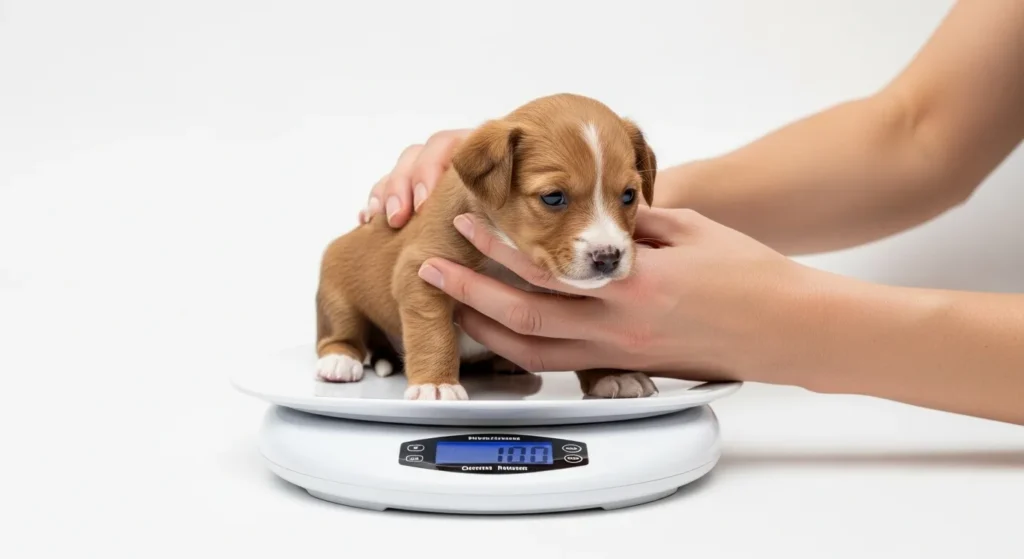
Track your dog’s weight with a puppy growth chart. Compare it to breed standards or consult your vet.
Supporting Healthy Puppy Growth
To help your puppy grow strong and healthy, follow these tips:
- Feed a Balanced Diet: Use puppy food with 22–32% protein and 0.6–1.3% phosphorus. Avoid adult dog food.
- Monitor Portions: Prevent obesity with measured feedings 2–3 times daily.
- Provide Safe Exercise: Short walks and playtime are best. Avoid high-impact activities.
- Socialize Early: Introduce puppies to people, dogs, and environments between 3–12 weeks.
- Schedule Vet Visits: Regular check-ups catch issues early. Use our Pet Symptom Checker for concerns.
- Consider Spaying/Neutering Timing: Discuss with your vet to avoid joint issues.
For personalized diet advice, read our post on What Fruits Can Dogs Eat?.
Common Questions About Dog Growth
How Big Will My Puppy Get?
- Purebreds: Check breed standards or ask your breeder.
- Mixed Breeds: Estimate based on parent sizes or use a DNA test.
- Vet Tip: At 4 months, double your puppy’s weight for a rough adult size estimate.
When Should I Switch to Adult Dog Food?
- Small breeds: Around 12 months.
- Large breeds: 18–24 months.
- Consult your vet to confirm.
Can Overfeeding Harm My Puppy?
- Yes, it can lead to obesity or joint problems.
- Stick to portion guidelines and check with our Pet Food Safety Checker.
Why Is My Puppy Growing Slowly?
- Possible causes: poor nutrition, parasites, or health issues.
- Visit your vet to rule out problems.
People Also Ask: Quick Answers
- At what age is a dog considered an adult? Most dogs are adults by 1 year, but large breeds may take 2 years.
- Do male dogs grow larger than females? Yes, males often grow slightly taller and heavier.
- Can I predict my dog’s size? Use breed standards, parent sizes, or a DNA test for mixed breeds.
- Does spaying/neutering affect growth? Early procedures may make dogs taller by delaying growth plate closure.
For more on dog development, try our Pet Age Calculator.
Conclusion: Set Your Puppy Up for Success
Knowing when your dog stops growing helps you provide the best care. Small breeds mature by 12 months, while large breeds may take up to 2 years. Feed a balanced diet, limit intense exercise, and schedule regular vet visits. Track growth with a chart and watch for signs like rib “knobs” or large paws. With proper care, your puppy will grow into a healthy adult.
For more tips, check out our How to House Train Your Dog guide or use our Pet Compatibility Checker to find the perfect breed for your home.