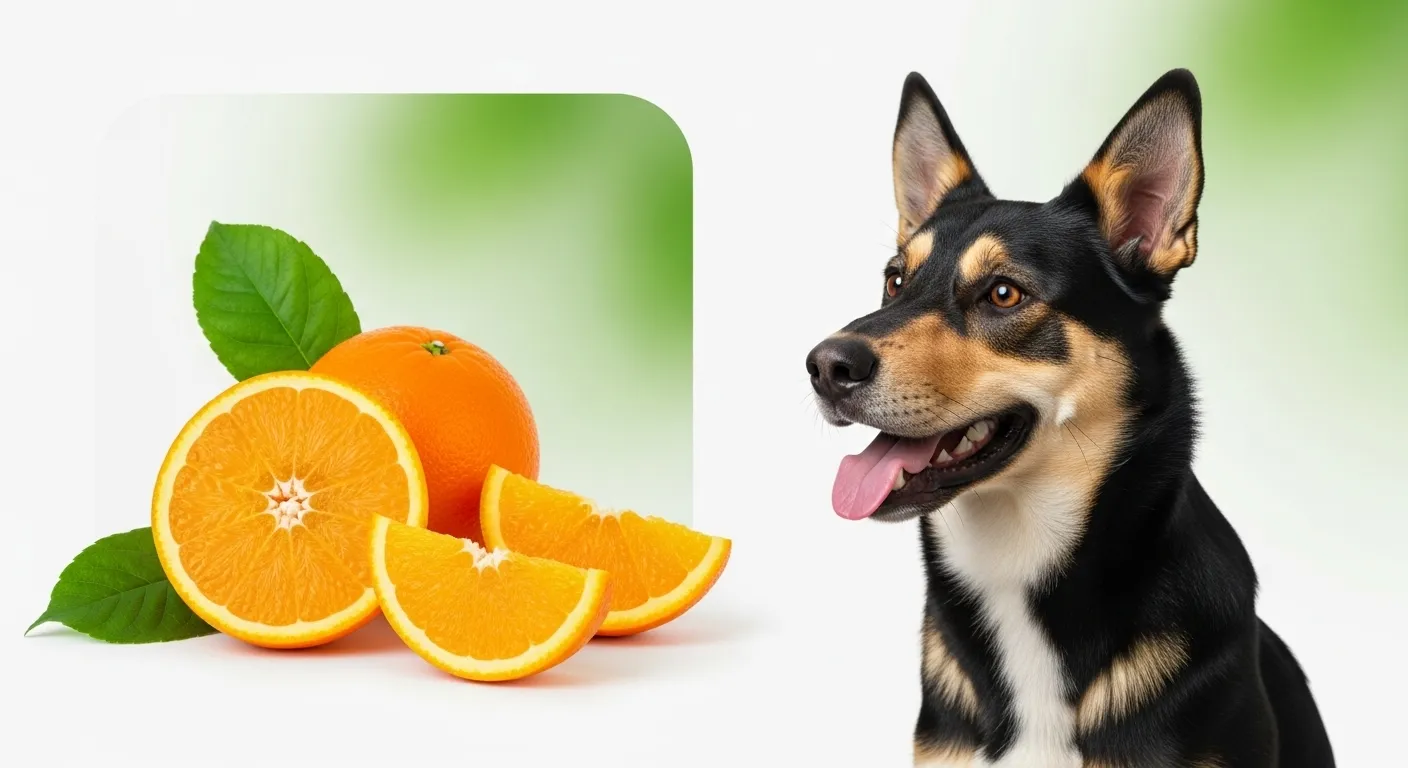
Many pet owners ask if their dogs can share certain fruits. Oranges come up often in these talks. This piece looks at the safety aspects and offers clear advice. Remember to speak with a vet about your dog’s specific diet.

Benefits of Oranges for Dogs
Oranges hold useful nutrients for dogs. They provide vitamin C, which supports the immune system and acts against cell damage. Potassium helps with heart function and muscle movement. Fiber aids digestion and keeps bowels regular. These fruits have low sodium levels and plenty of water, which can help with staying hydrated.
Dogs produce vitamin C on their own, so they do not need it from food sources. Yet, a small addition from oranges could offer some value in certain situations. Other elements like B vitamins and phosphorus contribute to cell repair and strong bones.
For more on safe fruits, check our guide on what fruits can dogs eat.
Potential Risks When Feeding Oranges
Oranges are fine in small doses, but they carry some drawbacks. The natural sugars can raise blood sugar, posing issues for dogs with diabetes or those carrying extra weight. Overdoing it might cause stomach problems, such as loose stools or bloating.
The outer skin has oils like limonene, which could damage the liver or lead to throwing up. Seeds present a choking danger and may hold traces of cyanide. The inner white layer might upset the gut. The acidic nature could irritate tender stomachs or affect tooth enamel with repeated exposure.
Allergies are uncommon but might appear as rashes or further digestive woes. Avoid moldy ones due to possible toxins.
If your dog shows odd signs after eating, use our pet symptom checker for quick insights.
How to Prepare Oranges for Your Dog
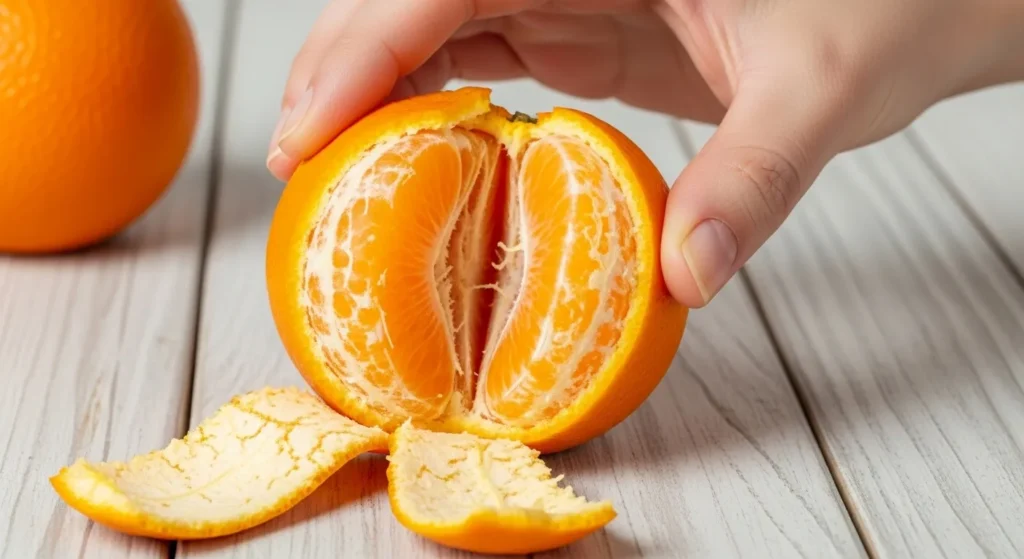
Wash the fruit thoroughly to remove any chemicals. Take off the entire peel, along with seeds and the white parts. Slice into small chunks to prevent choking.
Offer them plain and fresh. You could blend with plain yogurt and freeze for a chilly reward, or include in simple baked goods with safe ingredients. Avoid orange juice because of its concentrated sugars.
Begin with a tiny bit, like one segment, and observe for reactions.
To check other foods quickly, try our pet food safety checker.
Portion Sizes Based on Dog Size
Treats should make up no more than 10% of a dog’s daily calorie intake. Here is a basic outline:
- Very small dogs (under 10 pounds): Half a segment, once or twice a week.
- Small dogs (10-20 pounds): One segment, once or twice a week.
- Medium dogs (20-50 pounds): Up to two segments, once or twice a week.
- Large dogs (50-90 pounds): Two to three segments, once or twice a week.
- Giant dogs (over 90 pounds): Three segments, once or twice a week.
Tailor amounts to your dog’s health and activity level.
When to Avoid Giving Oranges
Do not give oranges to dogs with diabetes because of the sugar content. Dogs prone to tummy troubles or obesity should pass on them. Young pups may have stronger responses.
If a dog eats peels or seeds by accident, contact a vet without delay. Some dogs dislike the citrus aroma.
Final Thoughts
Oranges work as a rare snack for most dogs if handled properly. Stick to small portions and watch for any problems. Consult your vet to see if they fit your pet’s meal plan. For similar reads, look at can dogs eat cherries, can dogs eat blackberries, or can dogs eat pineapple.