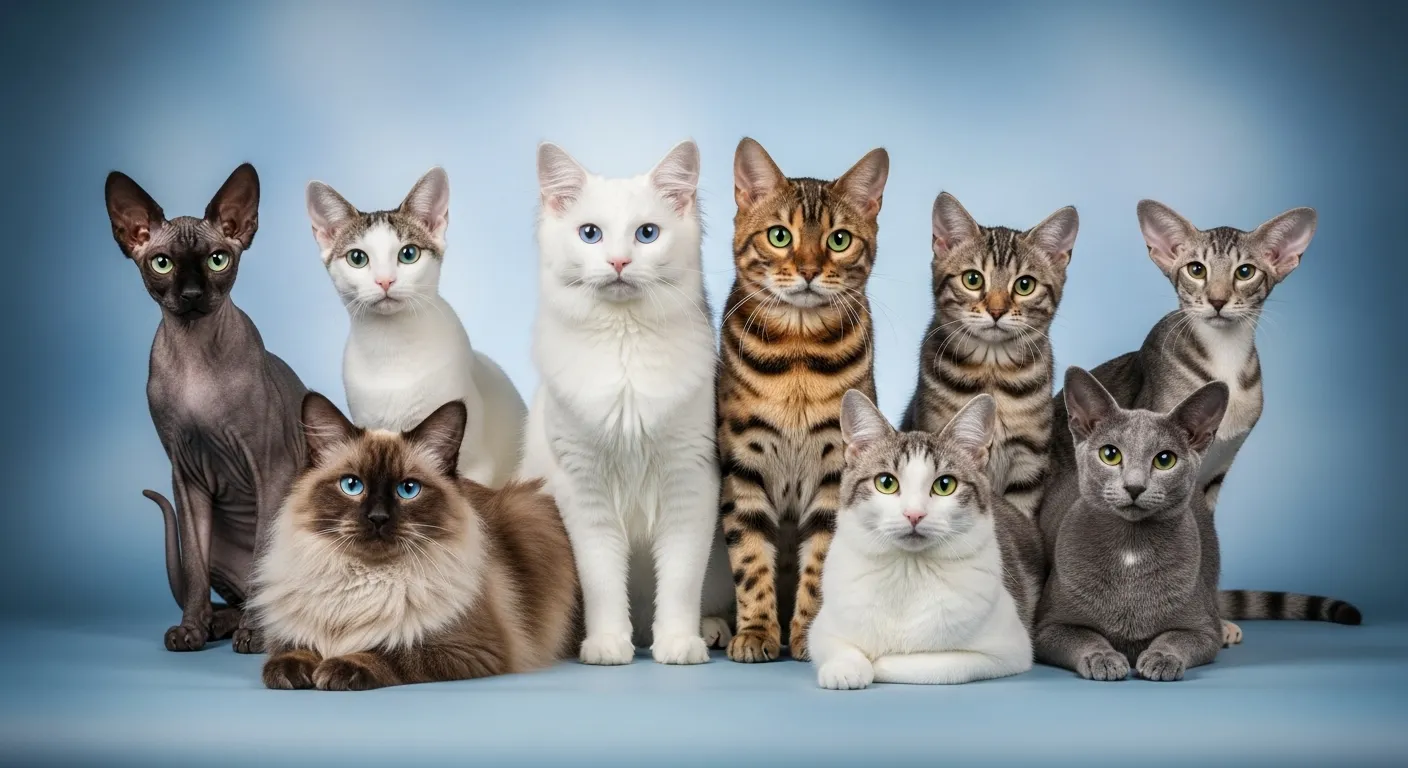
Many people adore cats yet struggle with allergies that complicate things. Some breeds release fewer allergens, easing issues like sneezing or eye irritation. These cats typically have lower amounts of the Fel d 1 protein in their saliva and skin. Keep in mind, no breed removes allergens entirely, but these choices can offer relief for those affected.
If you’re unsure about the right fit, try our pet breed finder quiz to match your needs.
What Does Hypoallergenic Mean for Cats?
This label points to breeds that cause milder reactions. Allergens stem from proteins in saliva, urine, and dander. Grooming spreads them around. Breeds with shorter fur or reduced shedding limit airborne particles. Females and lighter-colored cats often generate the least.
To handle allergies better:
- Limit cat access to sleeping areas.
- Clean floors regularly and let air circulate.
- Give the cat a bath biweekly to cut down on dander.
- Rinse hands after handling.
Consult a medical professional for allergy testing prior to bringing a cat home.
For more ways to maintain a clean space, check these cleaning hacks for cat owners.
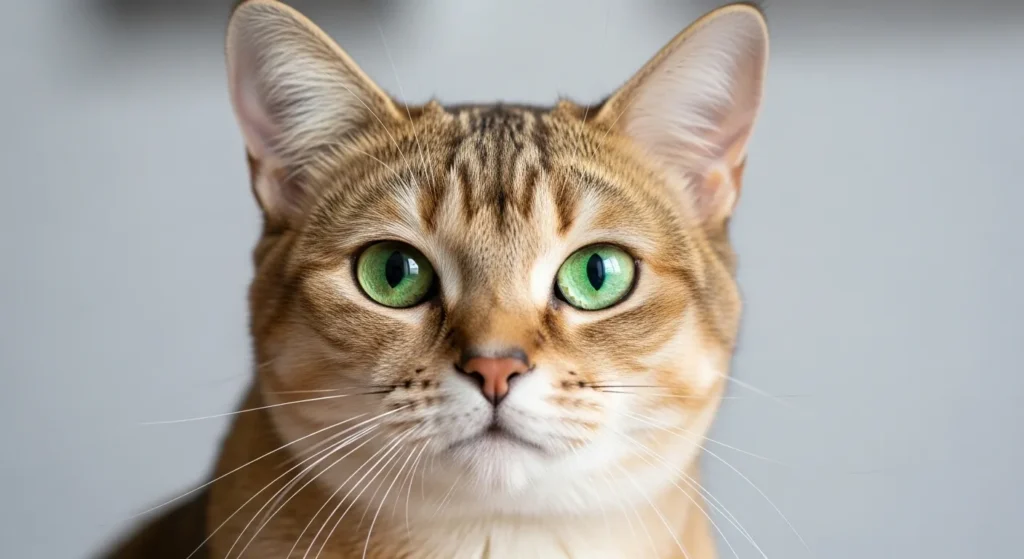
Siberian
Originating in Russia, this breed boasts a dense coat that defies expectations for allergy concerns. It outputs minimal Fel d 1, keeping dander low even with the fur length. Siberians show strength and agility. They mix well with children and other animals.
Key traits:
- Solid physique.
- Clever and fun-loving.
- Requires routine combing.
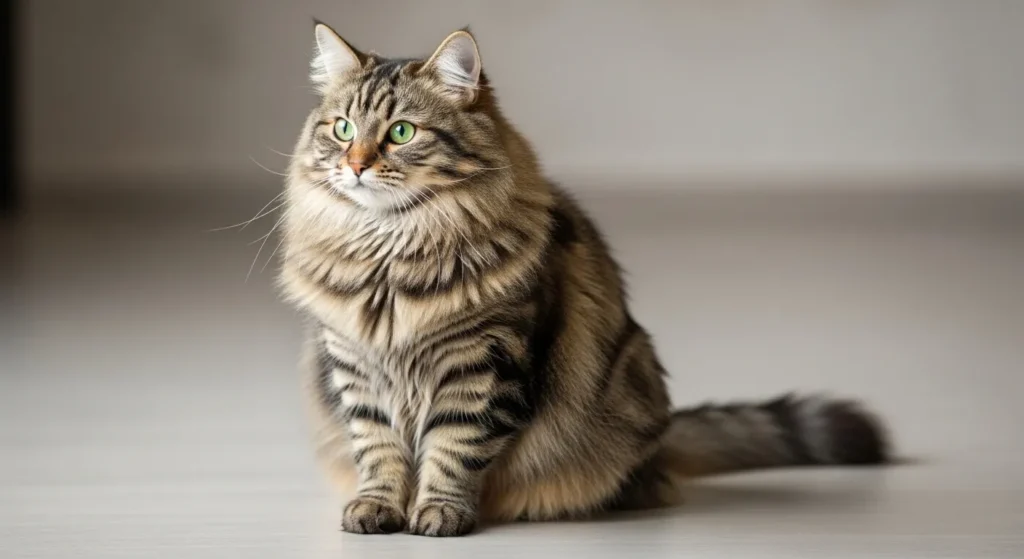
Balinese
Often called the long-haired Siamese, this breed features smooth fur with little shedding. It creates less Fel d 1, aiding in allergen control. Balinese cats stay close to their people and seek interaction.
For insights into related traits, see this Siamese cat characteristics guide.
Key traits:
- Graceful form.
- Warm demeanor.
- Light maintenance.
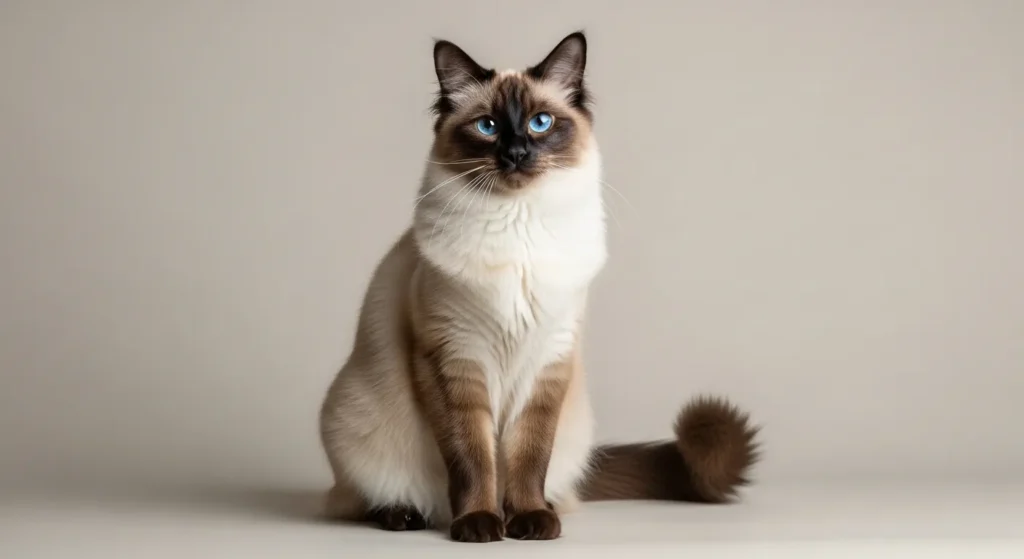
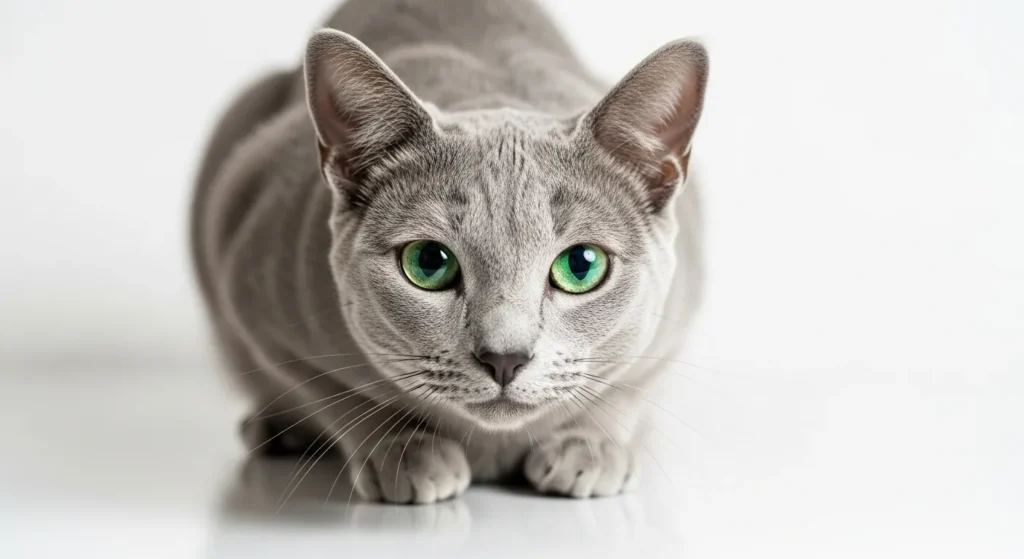
Russian Blue
Its brief, thick coat holds dander near the body, minimizing release. With reduced Fel d 1, it suits sensitive homes. Russian Blues remain calm and form strong ties with households.
Key traits:
- Bluish-silver hair.
- Mild and intelligent.
- Straightforward upkeep.
Sphynx
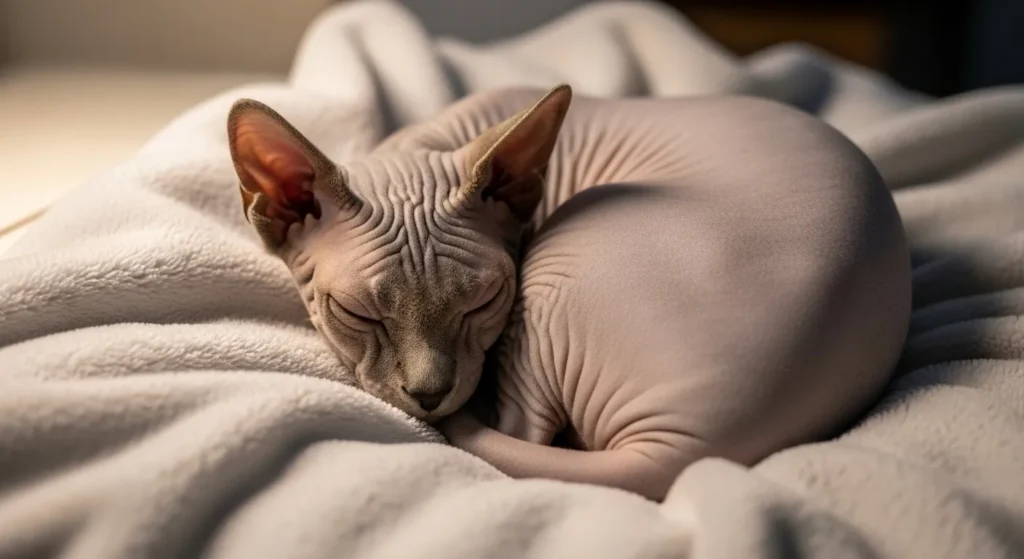
Without hair, this breed avoids much dander spread. It still makes Fel d 1 but less reaches the environment. Sphynx cats have a cozy feel and call for skin attention.
Learn more in our Sphynx cat grooming needs guide.
Key traits:
- Folded skin.
- Energetic and devoted.
- Regular washing essential.
Devon Rex
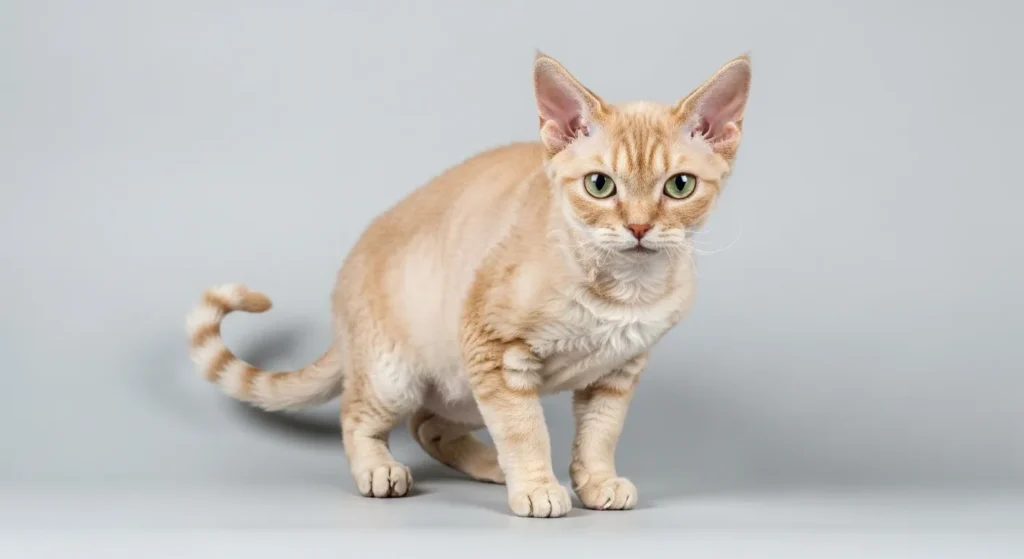
With a rippled coat missing outer layers, shedding stays low. Lower Fel d 1 levels help too. Devon Rex cats thrive on activity and companionship.
Key traits:
- Prominent ears and gaze.
- Lively character.
- Basic brushing.
Cornish Rex
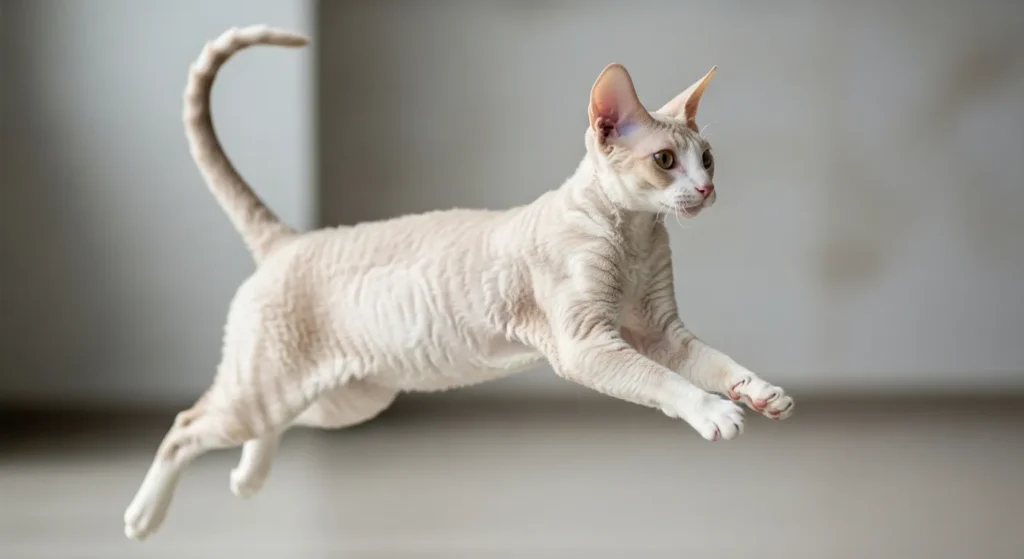
Like the Devon, its gentle, waved fur sheds sparingly. Reduced Fel d 1 fits allergy needs. These cats appear lean and favor exploration.
Key traits:
- Thin build.
- Alert and inquisitive.
- Easy care.
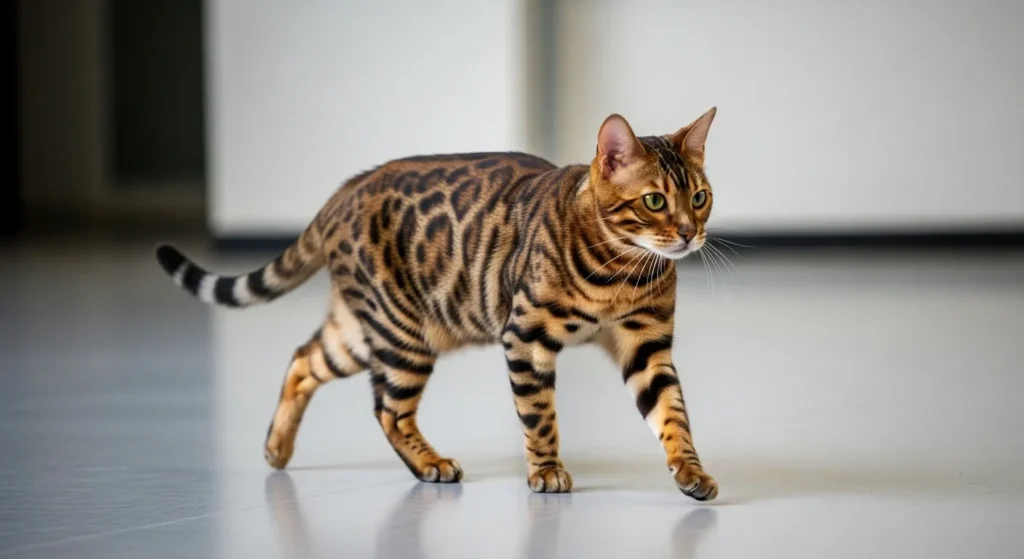
Bengal
Drawing from wild roots, this breed sports a sleek, patterned coat with light shedding. Less grooming means fewer allergens. Bengals display athleticism and require stimulation.
Key traits:
- Spotted markings.
- Confident and vigorous.
- Standard grooming.
Selecting from these breeds opens doors for allergy-prone individuals to share life with a cat. Visit the cat first to gauge responses. Proper routines can lead to a comfortable bond.
For additional cat options, explore 10 cute cat breeds for small apartments. If symptoms arise, use our pet symptom checker.