
African Grey parrots live 40 to 60 years in captivity. Some reach 70. In the wild, most don’t make it past 25. That gap isn’t luck — it comes down to care, diet, environment, and veterinary attention.
If you own one, or you’re thinking about getting one, that number matters. This isn’t a 10-year commitment. It’s a multi-decade relationship. Some owners have outlived their birds. Others have left them in their wills.
Before committing to an African Grey, it’s worth understanding how they compare to other birds. Our guide to the best pet birds for beginners covers which species suit different lifestyles — including those with shorter time commitments.
This guide covers everything that determines how long an African Grey lives — and exactly what you can do to push that number higher.
How Long Do African Grey Parrots Live?
African Grey parrots live an average of 40 to 60 years in captivity. Well-cared-for birds regularly hit the 50-year mark. Wild African Greys average 23 years, with predation, habitat loss, and disease cutting most lives short.
The difference between a 35-year bird and a 65-year bird is almost always care quality.
Wild vs. Captivity Lifespan
| Setting | Average Lifespan |
|---|---|
| Wild | 20–25 years |
| Captivity (average care) | 40–50 years |
| Captivity (excellent care) | 50–70+ years |
Wild birds face predators, food scarcity, disease, and illegal trapping. Captive birds face different threats — poor diet, boredom, toxic exposure, and neglect. Neither environment is automatically safe.
Congo vs. Timneh: Does Subspecies Matter?
Yes, slightly. There are two subspecies:
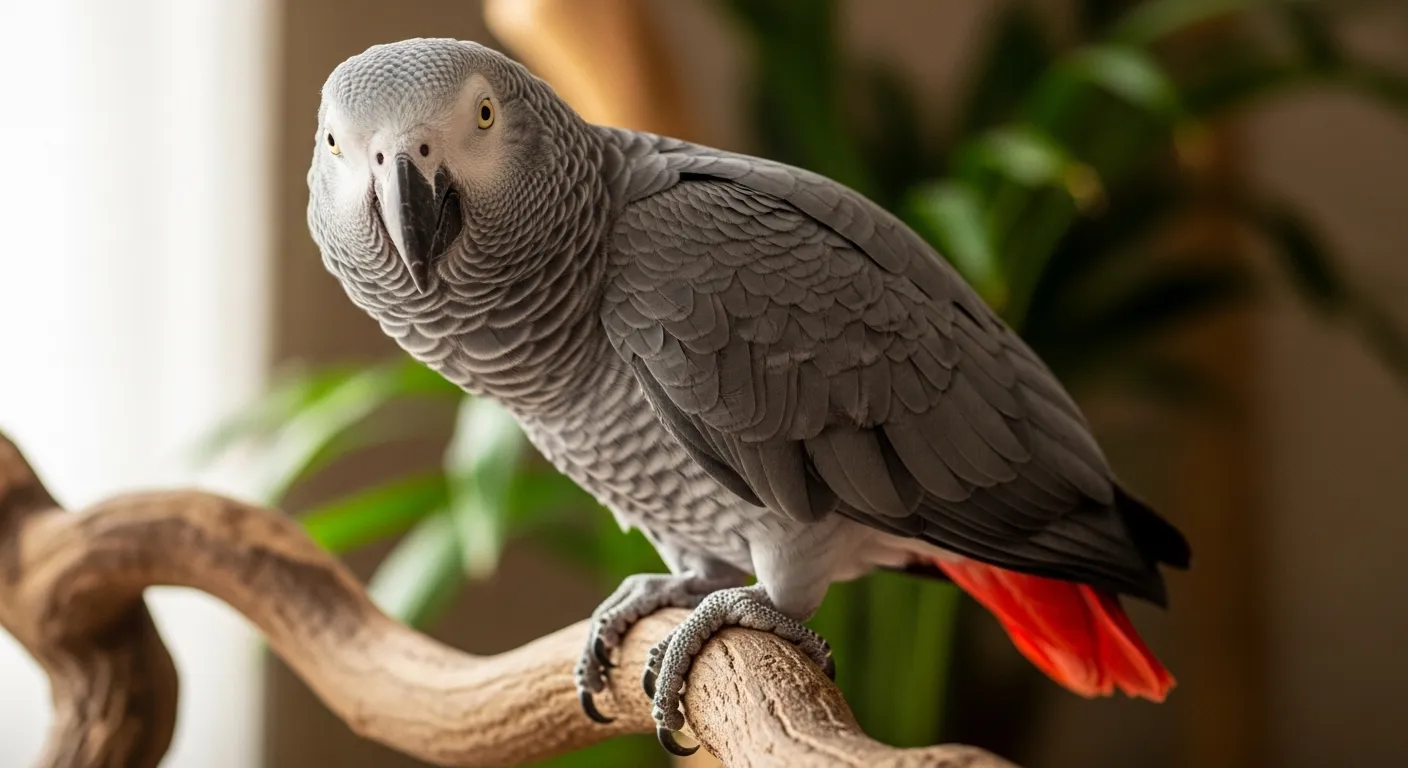
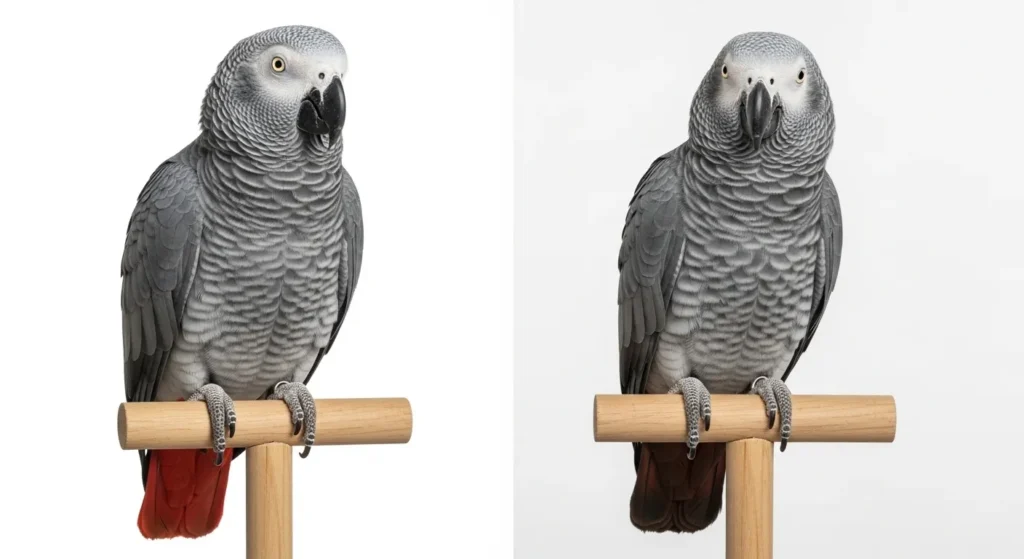
Congo African Grey (Psittacus erithacus) — larger, with a bright red tail. More commonly kept. Lifespan range: 40–60 years in good conditions.
Timneh African Grey (Psittacus erithacus timneh) — smaller, darker feathers, maroon tail. Generally considered hardier. Some avian vets report Timnehs showing fewer stress-related behaviors, which can translate to fewer health complications over time. Lifespan range: similar, with some evidence of slightly better resilience.
The difference isn’t dramatic. Individual care matters far more than subspecies.
What Factors Affect African Grey Parrot Lifespan?
Six things determine how long your bird lives. Get these right and you’re looking at a healthy bird well into its 50s or 60s.
1. Diet and Nutrition
Diet is the single biggest controllable factor. African Greys fed a seed-only diet are at high risk of Vitamin A deficiency and calcium deficiency — both are leading causes of early death.
A proper diet looks like this:
- 60–70% high-quality pellets (Harrison’s Bird Foods and Roudybush are both well-regarded by avian vets)
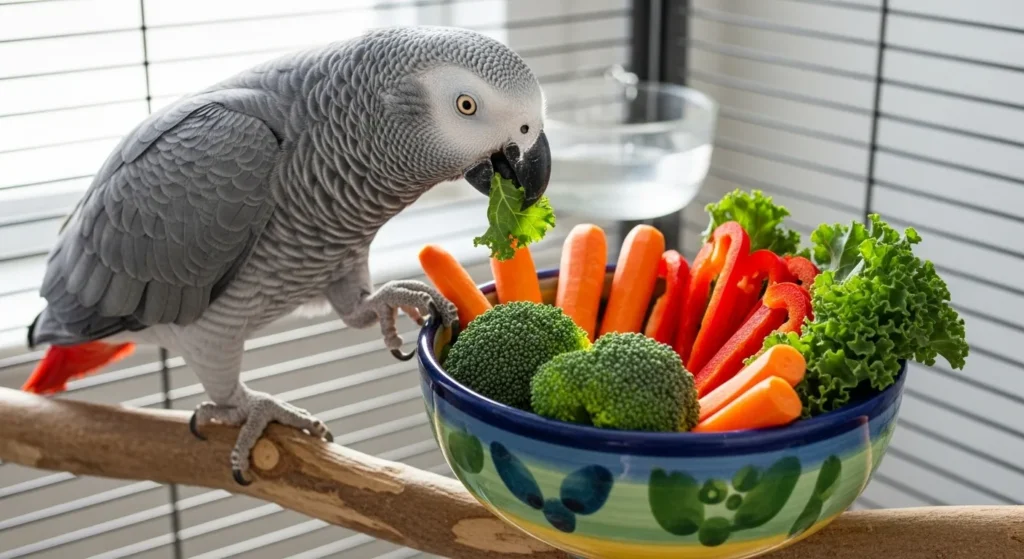
- 20–30% fresh vegetables — dark leafy greens, carrots, bell peppers, squash
- 10% or less fruit — high sugar content means fruit should be a treat, not a staple
- Seeds and nuts as occasional rewards only — not a diet base
Not sure if a specific food is safe for your bird? Use our pet food safety checker to verify before feeding.
Calcium is especially critical for African Greys. They’re more prone to hypocalcemia than most parrot species. Symptoms include tremors, seizures, and muscle weakness. Kale, broccoli, and bok choy are good dietary sources. Some birds need supplementation — ask your avian vet.
Vitamin A deficiency shows up as respiratory infections, poor feather quality, and swollen eyes. Orange and yellow vegetables — carrots, sweet potato, red pepper — are the best natural sources.
2. Mental Stimulation
African Greys are cognitively comparable to a 4- to 5-year-old child. They need mental engagement every day. Without it, they develop stress behaviors — feather plucking, screaming, self-mutilation — that damage their physical health over time.
Effective enrichment includes:
- Foraging toys that require problem-solving (hide food inside puzzle feeders)
- Daily training sessions — 10 to 15 minutes of positive reinforcement training
- Rotation of new objects and textures in the cage every few days
- Out-of-cage time in a safe, supervised space for at least 2–4 hours daily
Boredom in African Greys isn’t just a behavioral problem. Chronic stress suppresses immune function and accelerates aging.
3. Veterinary Care
Annual wellness exams with a board-certified avian veterinarian are non-negotiable. Birds hide illness instinctively. By the time symptoms are obvious, the disease is often advanced.
A proper annual exam should include:
- Full physical examination
- Gram stain (checks for bacterial and yeast infections)
- Complete blood count (CBC)
- Blood chemistry panel
- Choanal and cloacal cultures (if indicated)
- Weight check — a digital gram scale at home is useful between visits
If you notice anything unusual between vet visits, use our pet symptom checker to get a clearer picture of what might be going on before your appointment.
Find an avian vet through the Association of Avian Veterinarians (AAV) directory. General practice vets often lack the training to catch avian-specific conditions early.
4. Environment and Air Quality
African Greys have extremely sensitive respiratory systems. Airborne toxins kill parrots fast.
Immediate hazards to remove from any home with an African Grey:
- PTFE/Teflon-coated cookware — when overheated, releases fumes lethal to birds within minutes
- Scented candles, air fresheners, and plug-in diffusers
- Aerosol sprays — cleaning products, hairspray, deodorant
- Cigarette and vape smoke
- Carbon monoxide — birds show symptoms before humans do
Full-spectrum UV lighting (10–12 hours daily) supports Vitamin D3 synthesis, which aids calcium absorption. A HEPA air purifier near the cage reduces airborne pathogens and dust. African Greys produce significant feather dust — Congo Greys especially — which can cause respiratory issues in both the bird and its owners.
Ideal temperature range: 65–85°F (18–29°C). Avoid drafts and sudden temperature swings.
5. Social Interaction
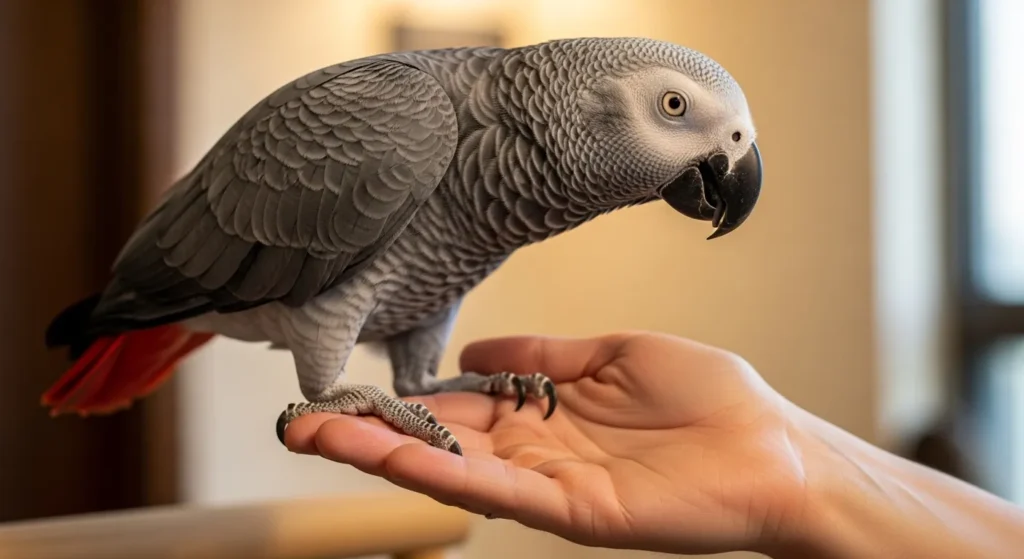
African Greys are flock animals. Isolation causes measurable psychological damage. A bird left alone for 8–10 hours daily, every day, will develop problems — and those problems shorten life.
This doesn’t mean you need a second bird. Many African Greys are strongly pair-bonded to a single human and don’t tolerate other birds well. What matters is consistent, predictable interaction. A stable routine reduces anxiety more than the number of people or birds in a household.
Common Diseases That Shorten African Grey Lifespan
Psittacine Beak and Feather Disease (PBFD)
A viral disease caused by Circovirus. Attacks the immune system and disrupts feather and beak development. There is no cure. Infected birds show abnormal feather growth, loss of powder down, and progressive immune collapse.
Testing is done via PCR blood test. Any new bird entering a household should be tested before contact with existing birds. PBFD is highly contagious.
Aspergillosis
A fungal infection caused by Aspergillus spores — found in moldy food, damp bedding, and poor ventilation. Affects the respiratory tract. Symptoms include tail bobbing, labored breathing, and nasal discharge.
Treatment exists (antifungal medications) but is expensive and lengthy. Prevention is better: clean the cage regularly, replace food daily, and ensure good airflow.
Calcium Deficiency (Hypocalcemia)
More common in African Greys than in other parrot species. Caused by a seed-heavy diet and inadequate UV exposure. Leads to tremors, seizures, and in severe cases, sudden death. Easily prevented with proper diet and UV lighting.
Proventricular Dilatation Disease (PDD)
Also called Macaw Wasting Disease — affects the nervous system and digestive tract. Birds lose weight despite eating normally. Caused by Avian Bornavirus (ABV). No definitive cure, though anti-inflammatory treatment can manage symptoms. Diagnosed via biopsy or PCR test.
Feather Destructive Behavior (FDB)
Not always a disease — often a psychological response to stress, boredom, or inadequate stimulation. Chronic FDB creates open wounds, increases infection risk, and indicates serious welfare problems. Requires both behavioral intervention and a full medical workup to rule out underlying conditions.
If your bird is showing any of these symptoms, run them through our pet symptom checker and contact your avian vet promptly.
Signs Your African Grey Is Aging
African Greys don’t age the way dogs do. The changes are subtle. Knowing what to look for helps you adjust care before problems escalate.
Behavioral changes in senior birds (roughly 30+ years):
- Less tolerance for change or new stimuli
- Longer sleep periods — 12+ hours is normal for older birds
- Reduced vocalization or learning of new words
- Less enthusiasm for play, but still responsive to familiar interaction
Physical changes:
- Slight feather texture changes — feathers may look drier or less vibrant
- Reduced grip strength on perches
- Minor beak overgrowth that requires more frequent trimming
- Some birds develop arthritis — watch for reluctance to climb or grip
What to do differently for a senior bird:
- Increase vet visits to twice yearly
- Lower perches to reduce fall risk
- Soften food options — cooked vegetables, moistened pellets
- Maintain routine strictly — senior birds handle change worse than younger ones
If you’re unsure how your bird’s age compares to equivalent human years, our pet age calculator can help put things in perspective.
How to Help Your African Grey Live Longer
This isn’t complicated. It’s consistent.
1. Fix the diet first. If your bird is eating mostly seeds, that changes today. Transition slowly — mix pellets into seed gradually over 4–6 weeks. Don’t withhold food to force the change. Use our pet food safety checker if you’re unsure about any specific ingredient.
2. Schedule an avian vet exam this year. If you haven’t been, a baseline blood panel tells you where your bird stands nutritionally and organically. It also catches problems you can’t see.
3. Add foraging enrichment. Buy or make three to four foraging toys. Rotate them. Hide food in different ways. This alone reduces stress behaviors significantly.
4. Audit your home for toxins. Replace Teflon cookware with stainless steel or cast iron. Switch to unscented cleaning products. Never use aerosols near the bird.
5. Install full-spectrum UV lighting on a 10–12 hour timer near the cage. This supports calcium metabolism and mood regulation.
6. Weigh your bird weekly. Use a digital gram scale. A 10% drop in body weight is a veterinary emergency. African Greys typically weigh between 400 and 650 grams depending on subspecies and sex. Know your bird’s normal range.
7. Keep a routine. Wake time, feeding time, out-of-cage time, lights out — predictability reduces chronic stress. This one costs nothing.
African Grey Lifespan vs. Other Parrots
How does the African Grey compare to other common species?
| Species | Average Captive Lifespan |
|---|---|
| African Grey | 40–60 years |
| Macaw (Blue and Gold) | 50–60 years |
| Amazon Parrot | 40–70 years |
| Cockatoo (Sulphur-crested) | 40–70 years |
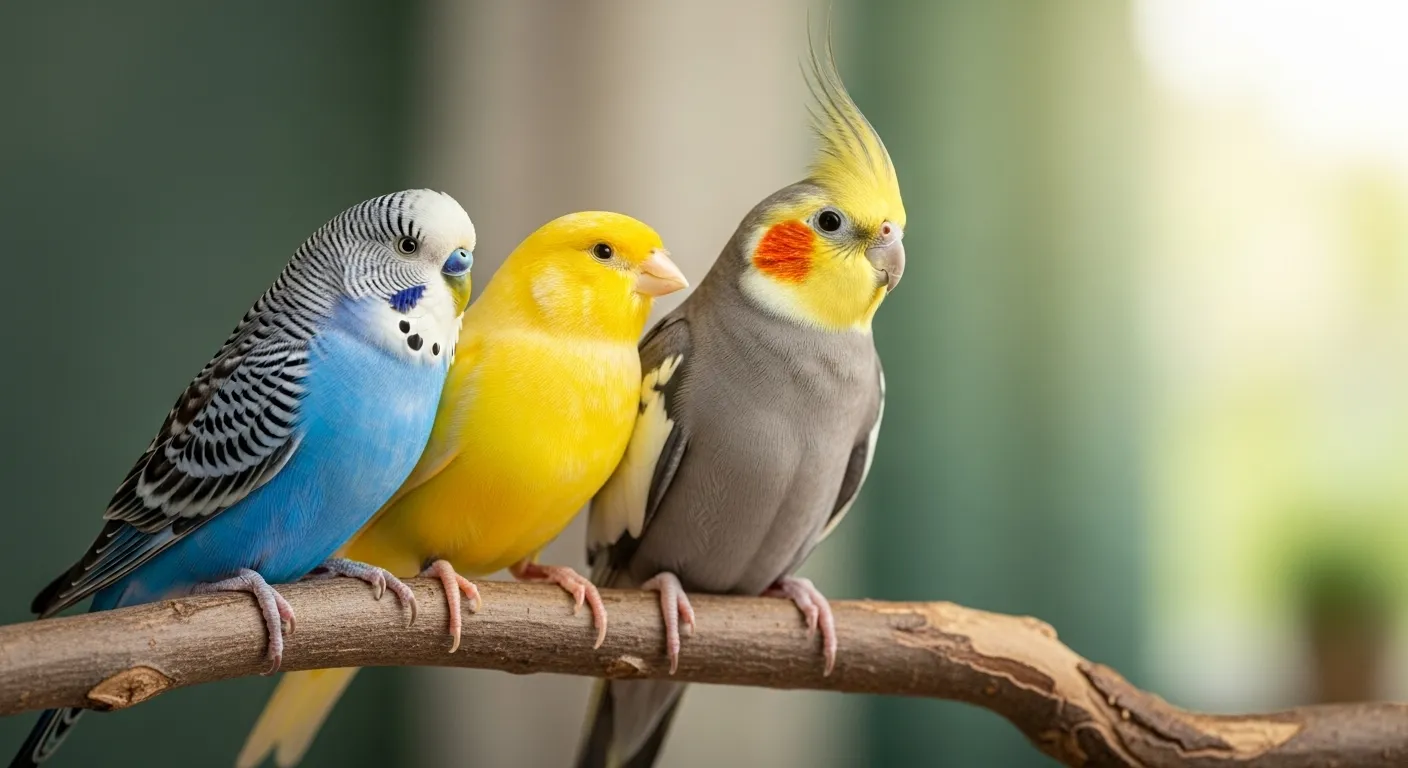
| Cockatiel | 15–25 years |
| Budgerigar | 5–10 years |
| Eclectus | 30–50 years |
| Conure (Sun) | 20–30 years |
African Greys sit firmly in the long-lived category. Only Amazons and large cockatoos come close in terms of potential lifespan. This context matters for anyone deciding between species — a Grey is a lifetime companion, not a starter pet.
If you’re still deciding which bird fits your lifestyle, our lovebird species comparison guide and overview of easy-care exotic pets for beginners are good starting points. And if a smaller, lower-commitment pet sounds more realistic, our guide to cute pocket pets for small homes covers a range of options worth considering
Frequently Asked Questions
Can African Grey parrots live to 80 years old? There are unverified claims of birds reaching 80, but no scientifically documented case. The oldest reliably recorded African Greys have reached the late 60s to early 70s. Treat 80-year claims with skepticism.
How do I know how old my African Grey is? If you don’t have records, it’s difficult. Young birds under 1 year have dark gray or black eyes. Eyes lighten to yellow as they age — typically pale yellow by 2–3 years. Beyond that, a vet can offer a rough estimate based on physical condition, but there’s no precise aging method after maturity. Our pet age calculator can help you estimate life stage based on what you do know.
Do African Greys bond for life? They form very strong pair bonds — with humans or other birds. Re-homing an African Grey is genuinely stressful for the bird. They can adapt, but it takes time and careful handling. If you’re considering adopting a re-homed bird, expect a 6–12 month adjustment period.
What is the most common cause of death in captive African Greys? Poor diet leading to organ failure, calcium deficiency complications, and undetected illness caught too late due to infrequent vet care. Both are preventable.
Do African Greys need a companion bird? Not necessarily. Many thrive as single birds bonded to their owner. Introducing a second bird can actually cause severe stress if the Grey perceives it as a threat. Focus on human interaction quality. If you’re curious how birds generally handle multi-pet households, our pet compatibility checker is a useful tool.
Is an African Grey a good first bird? Rarely. Their intelligence, sensitivity, and 50-year lifespan make them a serious commitment. If you’re new to birds, our guide to the best pet birds for beginners and the beginner’s guide to caring for parakeets are better starting points.
Conclusion
African Grey parrots live 40 to 60 years in captivity. The birds that reach the top of that range — or beyond — aren’t lucky. They’re eating a pellet-based diet with fresh vegetables, seeing an avian vet annually, living in a toxin-free environment, and getting genuine daily mental engagement.
The threats are real: nutritional disease, respiratory infections, fungal illness, and chronic stress. But every one of them is manageable with the right information and consistent care.
If your bird is young, you have decades to get this right. If your bird is older, the best time to improve their care is now.
An African Grey that lives well for 50 years is one of the most remarkable relationships a person can have with an animal. That kind of longevity doesn’t happen by accident.