


Dilated cardiomyopathy (DCM) affects thousands of dogs each year, making it one of the most serious heart conditions facing our canine companions. This progressive disease weakens the heart muscle, reducing its ability to pump blood effectively throughout the body.
Understanding DCM can help you recognize early warning signs and take action before your dog develops life-threatening complications. Recent research has also revealed surprising connections between certain diets and DCM development, changing how veterinarians approach both prevention and treatment.
What Is DCM in Dogs?
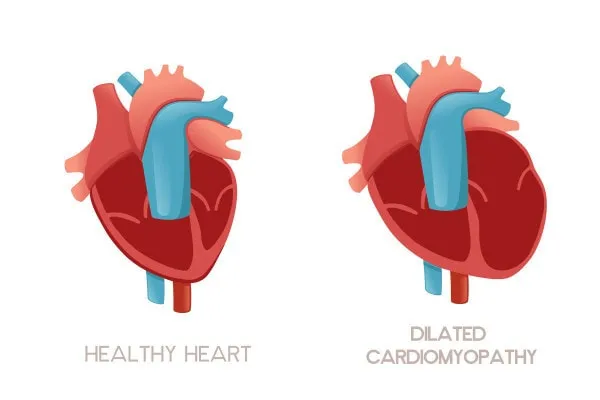
DCM is a disease that affects the heart muscle itself. The condition starts when the heart muscle fibers begin to degenerate, causing the muscular walls to become thinner and weaker. As the heart loses strength, it cannot pump blood as effectively as it should.
When the weakened heart struggles to move blood, pressure builds up inside the heart chambers. This increased pressure causes the thin muscle walls to stretch and expand, creating the characteristic “dilated” appearance that gives the disease its name.
Key Features of DCM:
- Heart muscle becomes thin and weak
- Heart chambers enlarge significantly
- Blood pumping efficiency decreases
- May lead to heart failure if untreated
Breeds Most at Risk for DCM
DCM primarily affects large and giant breed dogs, though some medium-sized breeds can also develop the condition. Male dogs are diagnosed more frequently than females.
Large and Giant Breeds at Highest Risk:
- Doberman Pinschers
- Great Danes
- Boxers
- Irish Wolfhounds
- Newfoundlands
- Standard and Giant Schnauzers
- Saint Bernards
Medium Breeds Sometimes Affected:
- German Shepherds
- Cocker Spaniels
- English Springer Spaniels
- Portuguese Water Dogs
Small breeds rarely develop DCM, making this condition primarily a concern for owners of larger dogs.
Recognizing DCM Symptoms in Dogs
DCM may have a sudden onset of clinical signs; however, the disease has been developing slowly and subtly. Many dogs show no obvious symptoms in the early stages, which makes regular veterinary checkups crucial for early detection.
Early Warning Signs:
- Rapid breathing while resting (more than 30-35 breaths per minute)
- Increased effort when breathing
- Restless sleeping and frequent position changes
- Reduced exercise tolerance
- Weakness or lethargy
Advanced Symptoms:
- Persistent coughing or gagging
- Loss of appetite and weight loss
- Swollen belly from fluid buildup
- Collapse or fainting episodes
- Blue-tinged tongue or gums
- Depression or withdrawn behavior
Emergency Signs:
Some dogs may develop severe congestive heart failure (CHF) in only a few hours. Rapid, heavy breathing, a blue tongue, excessive drooling, or collapse may be the first signs.
If you notice any emergency symptoms, contact your veterinarian immediately or visit an emergency animal hospital.
How Veterinarians Diagnose DCM
To diagnose dilated cardiomyopathy, your veterinarian must perform several tests on different aspects of heart function. A comprehensive evaluation provides the most accurate diagnosis and helps determine the best treatment approach.
Diagnostic Tests Include:
Physical Examination:
- Stethoscope examination to detect heart murmurs
- Pulse assessment for strength and rhythm
- Lung evaluation for fluid buildup
Blood Work:
- Liver and kidney function tests
- Cardiac biomarkers (Cardiac Troponin I and ProBNP)
- Complete blood chemistry panel
Imaging Studies:
- Chest X-rays to measure heart size and check lungs
- Echocardiogram (heart ultrasound) for detailed heart assessment
- Electrocardiogram (ECG) to detect rhythm abnormalities
Extended Monitoring:
- 24-hour Holter monitor for continuous heart rhythm tracking
The combination of many of these tests gives your veterinarian the best evaluation of heart function. An accurate diagnosis provides a much better guide to the severity of the disease and the extent of treatment that is necessary.
Treatment Options for Dogs with DCM
While there is no cure for DCM, several medications can significantly improve your dog’s quality of life and slow disease progression. Treatment of the condition without proper diagnosis can potentially be fatal, so working with a veterinarian is essential.
Primary Medications:
Pimobendan:
- Strengthens heart muscle contractions
- Reduces pressure in blood vessels
- Often the first-line treatment for DCM
Diuretics:
- Remove excess fluid from the body
- Prevent fluid buildup in lungs and abdomen
- Common options include furosemide and spironolactone
ACE Inhibitors:
- Lower blood pressure
- Reduce workload on the heart
- Include enalapril and benazepril
Anti-arrhythmic Drugs:
- Control irregular heart rhythms
- May include beta-blockers or calcium-channel blockers
- Used when rhythm problems don’t respond to other treatments
Nutritional Support:
Some dogs benefit from dietary supplements, particularly taurine or carnitine. Some forms of nutritional DCM may reverse with a diet change.
The Diet Connection: Grain-Free Foods and DCM
In July 2018, the FDA announced an investigation into reports of DCM in dogs eating certain pet foods, many labeled as “grain-free,” which contained a high proportion of peas, lentils, other legume seeds (pulses), and/or potatoes.
What the Research Shows:
More than 90 percent of foods reported in DCM cases were grain-free, 93 percent of reported foods contained peas and/or lentils, and 42 percent contained potatoes/sweet potatoes.
Important Considerations:
- The connection between grain-free diets and DCM is still being studied
- Not all dogs eating grain-free foods develop DCM
- Many of these dogs are from breeds without a known genetic predisposition to DCM
- Research continues to examine the relationship between specific ingredients and heart health
What Dog Owners Should Know:
If your dog has been eating a grain-free diet with high levels of peas, lentils, or potatoes, discuss this with your veterinarian. They may recommend screening tests or dietary changes based on your dog’s individual risk factors.

Prognosis and Life Expectancy
DCM is a serious disease that must be accurately diagnosed and aggressively treated. The prognosis varies significantly depending on several factors:
Factors Affecting Prognosis:
- How early the disease is detected
- The dog’s breed and age
- Response to medication
- Presence of heart rhythm abnormalities
Expected Outcomes:
Doberman Pinschers have been shown to live as little as 3 months once diagnosed. Other dogs have been known to live between 6-24 months if they respond well to treatment.
Dogs that have developed clinical signs of heart failure have a worse prognosis than those that are put onto cardiac medication in the early stages of the disease.
Prevention and Early Detection
While you cannot prevent genetic forms of DCM, early detection significantly improves treatment outcomes. Veterinarians may recommend screening tests for predisposed breeds to detect DCM sooner, which can improve their prognosis.
Screening Recommendations:
- Annual heart examinations for at-risk breeds
- Echocardiograms for dogs over 4-5 years old in predisposed breeds
- Blood tests to check cardiac biomarkers
- ECG monitoring for rhythm abnormalities
What You Can Do:
- Schedule regular veterinary checkups
- Monitor your dog’s breathing rate at rest
- Watch for changes in exercise tolerance
- Discuss diet choices with your veterinarian
- Consider genetic testing for predisposed breeds
Genetic Testing for DCM
Genetic testing of predisposed breeds for their breed-specific variants can help assess risk factors. This is particularly important for Doberman Pinschers, where specific genetic variants have been identified.
Available Genetic Tests:
- PDK4 gene variant testing
- TTN gene variant testing
- Combined risk assessment panels
The highest genetic risk for a Doberman exists when both variants are present, though having these variants doesn’t guarantee a dog will develop DCM.
Managing Life with a DCM Diagnosis
Receiving a DCM diagnosis can be overwhelming, but many dogs live comfortable lives with proper management. Success depends on early detection, consistent medication, and regular monitoring.
Daily Management Tips:
- Give medications exactly as prescribed
- Monitor breathing rate daily
- Limit strenuous exercise
- Maintain a healthy weight
- Follow dietary recommendations
- Schedule regular follow-up appointments
Quality of Life Considerations:
While DCM is serious, many dogs continue to enjoy walks, playtime, and normal activities with proper treatment. Work closely with your veterinarian to balance your dog’s medical needs with maintaining their happiness and comfort.
When to Contact Your Veterinarian
Contact your veterinarian immediately if you notice:
- Rapid breathing while resting
- Persistent coughing
- Weakness or collapse
- Loss of appetite lasting more than 24 hours
- Blue-tinged tongue or gums
- Swollen belly
- Any sudden changes in behavior or energy
Regular communication with your veterinary team helps ensure the best possible outcome for dogs with DCM.
The Bottom Line
DCM is a serious heart condition that requires prompt veterinary attention and ongoing management. While the disease cannot be cured, early detection and proper treatment can significantly improve your dog’s quality of life and potentially extend their lifespan.
If you own a breed predisposed to DCM, discuss screening options with your veterinarian. Regular checkups and staying alert to potential symptoms are your best tools for protecting your dog’s heart health.
Remember that advances in veterinary cardiology continue to improve treatment options for dogs with DCM. Working with your veterinary team gives your dog the best chance for a comfortable, happy life despite this challenging diagnosis.
Related Articles:
- Common Dog Owner Mistakes – Learn about other health risks to avoid
- Can Dogs Eat Bacon? – Understanding safe foods for heart-healthy dogs