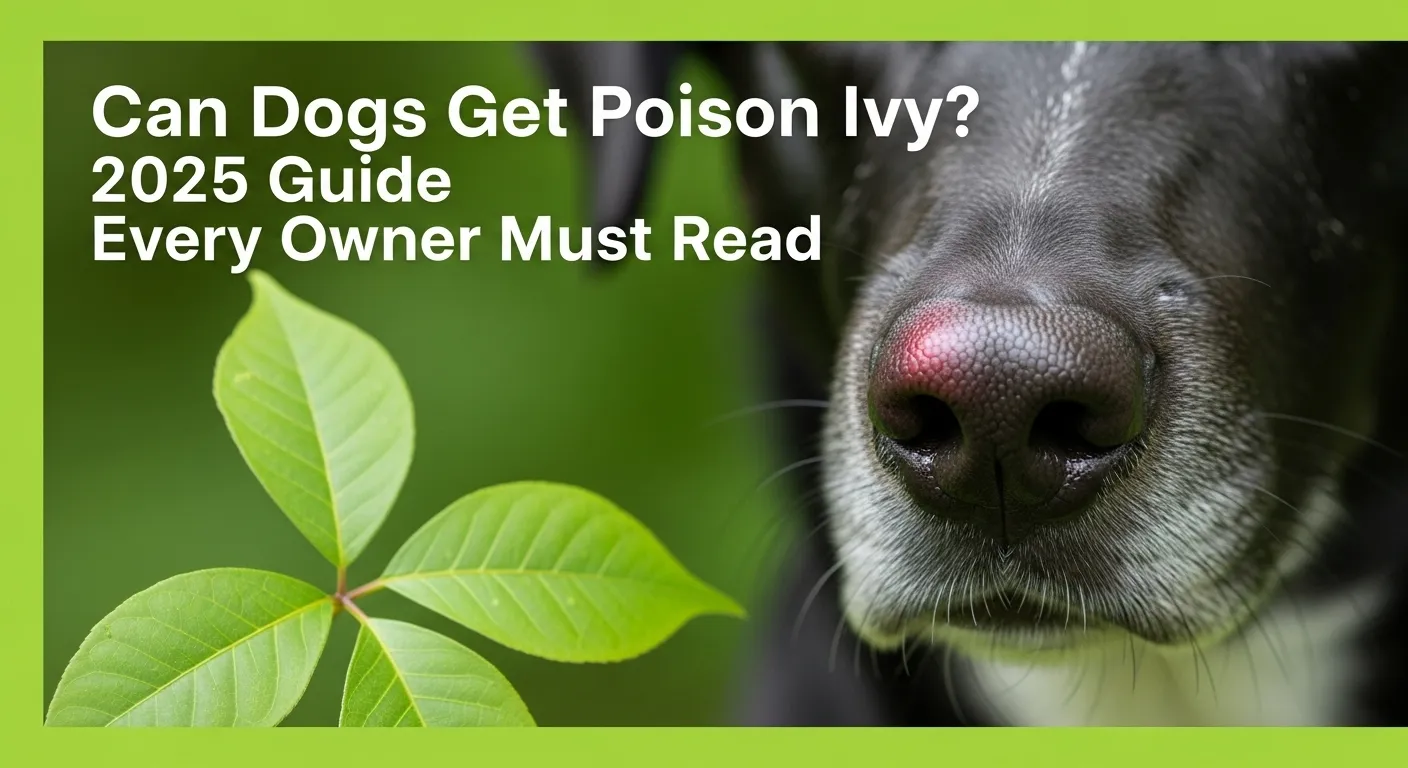
Picture this: you’re enjoying a beautiful hike with your furry friend when you realize you’ve both wandered through a patch of poison ivy. Your skin starts itching, but your dog seems completely fine. This raises an important question many pet owners ask: can dogs actually get poison ivy?
The short answer is yes, dogs can get poison ivy, but it happens much less often than with humans. Their thick fur acts like natural armor, protecting their skin from the plant’s irritating oils. However, there’s more to this story that could affect both you and your pet.
What Is Poison Ivy and Why Is It Dangerous?
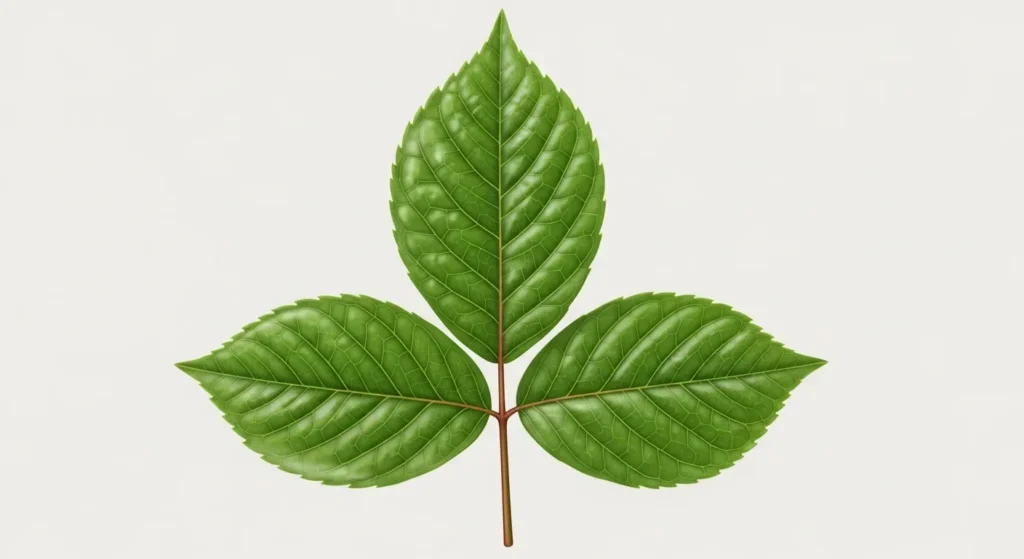
Poison ivy contains a toxic oil called urushiol that causes allergic reactions in most mammals. This same oil is found in poison oak and poison sumac, making all three plants potentially harmful to both humans and dogs.
Key facts about urushiol:
- Remains active for months, even on dead plants
- Can transfer from surfaces like clothing, tools, and pet fur
- Takes only tiny amounts to cause a reaction
- Spreads easily through direct and indirect contact
How Common Are Poison Ivy Reactions in Dogs?
Dogs can get rashes from poison ivy, but it doesn’t happen very often, according to veterinary experts. Here’s why dogs are naturally more protected than humans:
Natural protection factors:
- Dense fur creates a barrier between skin and plant oils
- Thicker skin that’s less sensitive to urushiol
- Different immune system response to plant toxins
- Lower exposure risk due to height and movement patterns
Dogs at higher risk:
- Short-haired breeds (Bulldogs, Boxers, Pit Bulls)
- Dogs with thin or patchy fur
- Puppies with developing coat density
- Dogs with existing skin sensitivities
Recognizing Poison Ivy Symptoms in Dogs
While rare, some dogs do develop reactions to poison ivy. Watch for these warning signs:
Skin Contact Symptoms
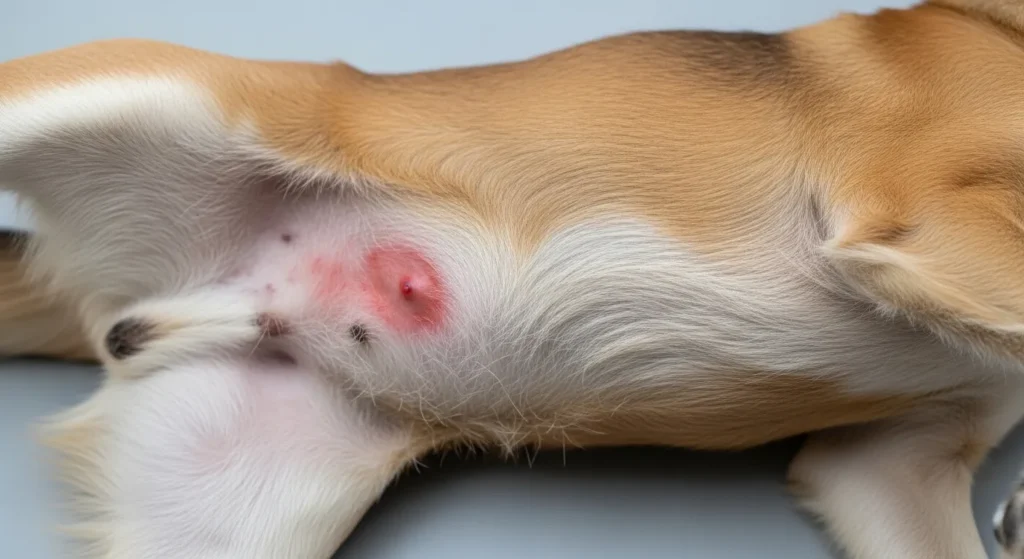
- Red, inflamed patches on skin
- Small bumps or blisters
- Intense itching and scratching
- Hair loss in affected areas
- Excessive licking of irritated spots
- Swelling around contact areas
Ingestion Symptoms
If your dog ate poison ivy leaves or stems, look for:
- Vomiting or dry heaving
- Excessive drooling
- Loss of appetite
- Diarrhea or loose stools
- Mouth irritation or pawing at face
- Difficulty swallowing
Immediate Treatment Steps for Poison Ivy Exposure
Quick action can prevent symptoms from developing or worsening. Follow these steps if your dog contacts poison ivy:
Step 1: Protect Yourself First
- Put on rubber gloves immediately
- Avoid touching your face or other body parts
- Keep other family members away from your dog temporarily
Step 2: Remove the Oils
Dry wipe them as quickly as possible. This will hopefully prevent the toxic oils from reaching your dog’s skin. Use disposable towels or rags that you can throw away immediately.
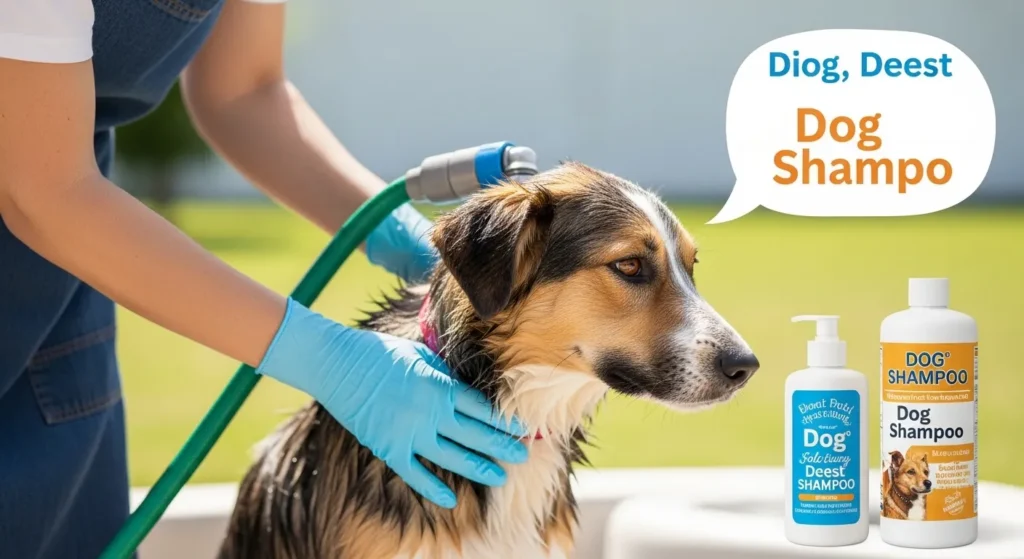
Step 3: Thorough Bathing
- Use lukewarm water (hot water can spread oils)
- Apply dog-safe degreasing shampoo or oatmeal-based shampoo
- Scrub gently but thoroughly, especially between toes and under legs
- Rinse multiple times to remove all soap residue
Step 4: Clean Everything
- Wash all towels, leashes, and collars in hot water
- Clean your clothes and shoes separately
- Disinfect car seats or carriers used during transport
Products that help remove poison ivy oils:
- Dawn dish soap (degreases effectively)
- Oatmeal dog shampoos
- Tecnu outdoor skin cleanser
- Specialized poison ivy removal products
When to Contact Your Veterinarian
Most dogs won’t need professional treatment for poison ivy exposure, but certain situations require immediate veterinary attention:
Call your vet right away if:
- Your dog ate any part of a poison ivy plant
- Skin rash appears widespread or severe
- Your dog shows signs of difficulty breathing
- Vomiting or diarrhea persists more than 24 hours
- Secondary bacterial infection develops (foul odor, pus, fever)
Consider using our Pet Symptom Checker to help assess your dog’s condition before deciding whether emergency care is needed.
Professional Treatment Options
If your veterinarian confirms that your dog’s skin rash is due to poison ivy, they may prescribe steroids, antibiotics, topical ointments, and/or medicated shampoo.
Common veterinary treatments include:
Topical Treatments
- Prescription anti-inflammatory creams
- Antihistamine gels for localized itching
- Protective barrier ointments
- Medicated shampoos for ongoing care
Oral Medications
- Antihistamines like Benadryl (with vet approval)
- Short-term steroids for severe reactions
- Antibiotics if secondary infection occurs
- Pain relief medications if needed
Advanced Care
- Injectable steroids for widespread reactions
- IV fluids if ingestion caused dehydration
- Hospitalization for severe cases
The Hidden Danger: Dogs as Poison Ivy Carriers
Here’s what many pet owners don’t realize: dogs can still carry the oils on their fur and then transfer these oils to you and your family. This makes your dog a potential source of poison ivy exposure even if they show no symptoms.
How oil transfer happens:
- Petting your dog after outdoor activities
- Dogs jumping on furniture or beds
- Sharing car space during travel
- Playing fetch with contaminated toys
- Dogs sleeping in your bedroom
Prevention Strategies That Actually Work
The best treatment is prevention. Here are proven methods to protect both you and your dog:
Before Outdoor Adventures
- Learn to identify poison ivy in your area
- Stick to well-maintained trails when possible
- Consider protective dog clothing for high-risk areas
- Pack poison ivy removal supplies in your hiking kit
During Outdoor Activities
- Keep dogs on leash in unfamiliar terrain
- Avoid areas with dense underbrush
- Watch for the characteristic “leaves of three”
- Choose open trails over wooded paths when possible
After Outdoor Time
- Inspect your dog before bringing them inside
- Clean paws and legs with dog wipes
- Bath your dog if you suspect exposure
- Wash all gear and clothing immediately
Use our Pet Food Safety Checker to make sure any outdoor snacks you bring are safe for your dog.
Home Remedies and Natural Treatments
Several safe, natural options can help soothe minor poison ivy irritation:
Oatmeal Baths
- Use plain, unflavored oatmeal
- Blend into fine powder
- Mix with lukewarm water
- Soak affected areas for 10-15 minutes
Cool Compresses
- Apply clean, damp cloth to irritated areas
- Use for 10-15 minutes at a time
- Replace with fresh compress as needed
- Avoid ice directly on skin
Apple Cider Vinegar Rinse
- Mix 1 part vinegar with 3 parts water
- Apply with clean cloth
- Rinse thoroughly after 5 minutes
- Use only on intact skin (no open wounds)
Important safety note: Always test any home remedy on a small skin area first. If irritation worsens, stop treatment and consult your veterinarian.
Regional Variations and Seasonal Considerations
Poison ivy exposure risk varies by location and time of year:
High-Risk Regions
- Eastern United States (most common)
- Pacific Northwest
- Great Lakes region
- Southeastern states
Seasonal Patterns
- Spring: New growth is most potent
- Summer: Peak hiking season increases exposure
- Fall: Leaves change color but remain toxic
- Winter: Dead plants still contain active oils
Common Locations Where Dogs Encounter Poison Ivy
- Forest trails and hiking paths
- Suburban parks with wooded areas
- Backyard gardens and fence lines
- Camping sites and picnic areas
- Rural properties and farmland
Poison Ivy Look-Alikes and Related Plants
Not every three-leafed plant is poison ivy. Learn to distinguish between harmful and harmless varieties:
Definitely Avoid
- Poison oak (similar leaves, different regions)
- Poison sumac (compound leaves, swampy areas)
- Virginia creeper (five leaflets, but often mistaken)
Safe Look-Alikes
- Box elder seedlings
- Blackberry bushes (have thorns)
- Raspberry plants (have thorns)
- Wild strawberry plants (different leaf shape)
For more information about plants that might be dangerous to pets, check out our article on are carnations toxic to cats.
Special Considerations for Different Dog Breeds
Some dogs face higher poison ivy risks due to physical characteristics:
Short-Haired Breeds at Higher Risk
- Bulldogs and French Bulldogs
- Boxers and Boston Terriers
- Pit Bulls and Staffordshire Terriers
- Whippets and Italian Greyhounds
Breeds with Natural Protection
- Golden Retrievers and Labrador Retrievers
- German Shepherds and Border Collies
- Poodles and Doodle mixes
- Siberian Huskies and Malamutes
Size Considerations
- Smaller dogs may have more ground contact
- Larger dogs can reach higher plant areas
- Medium-sized dogs often have optimal protection
Creating a Poison Ivy Action Plan
Prepare for poison ivy season with a comprehensive plan:
Emergency Kit Contents
- Rubber gloves (multiple pairs)
- Dog-safe degreasing shampoo
- Clean towels and disposable wipes
- Pet Poison Helpline number: 855-764-7661
- Your veterinarian’s contact information
Family Education
- Teach children about poison ivy identification
- Practice proper dog handling after outdoor time
- Review symptoms recognition regularly
- Know when to seek professional help
Consider using our Pet Compatibility Checker if you’re thinking about adding another pet to your family and want to ensure they’ll work well together during outdoor adventures.
Long-Term Skin Health After Poison Ivy
Some dogs may experience lasting effects from poison ivy exposure:
Monitoring for Complications
- Watch for secondary bacterial infections
- Check for persistent itching or skin changes
- Monitor hair regrowth in affected areas
- Note any behavioral changes related to the incident
Supporting Skin Recovery
- Maintain regular grooming routine
- Use gentle, moisturizing shampoos
- Consider omega-3 supplements for skin health
- Protect healing areas from further irritation
Myths and Misconceptions About Dogs and Poison Ivy
Let’s clear up some common misunderstandings:
Myth: Dogs Can’t Get Poison Ivy at All
Truth: While rare, dogs can develop poison ivy reactions, especially short-haired breeds.
Myth: If My Dog Doesn’t React, They Can’t Spread It
Truth: Urushiol oil can remain active on a dog’s fur for several days to weeks after contact, even without symptoms.
Myth: Washing Once Is Enough
Truth: Complete oil removal often requires multiple washes with proper degreasing agents.
Myth: Only Direct Plant Contact Causes Problems
Truth: Oils can transfer from contaminated clothing, tools, and other surfaces.
Building Long-Term Prevention Habits
Make poison ivy prevention part of your regular routine:
Weekly Planning
- Check trail conditions and poison ivy reports
- Prepare appropriate gear for outdoor activities
- Review identification skills regularly
- Update your emergency kit supplies
Seasonal Adjustments
- Modify hiking routes based on plant growth patterns
- Adjust grooming frequency during high-risk periods
- Consider protective clothing during peak seasons
- Plan indoor alternatives when necessary
For tips on other aspects of dog care, read our guide on common dog owner mistakes to help you become a better pet parent.
Technology and Tools for Prevention
Modern technology can help protect your dog from poison ivy:
Smartphone Apps
- Plant identification apps with photo recognition
- Trail condition reporting apps
- Weather apps for outdoor planning
- Pet health tracking apps
Protective Gear
- Dog boots for paw protection
- Lightweight dog clothing for coverage
- Leashes with comfortable grip handles
- Portable washing stations for post-hike cleanup
Environmental Impact and Responsible Pet Ownership
Consider the broader picture when dealing with poison ivy:
Eco-Friendly Approaches
- Avoid chemical treatments that harm wildlife
- Use biodegradable cleaning products
- Respect natural habitats during outdoor activities
- Follow Leave No Trace principles
Community Responsibility
- Share poison ivy location information with other pet owners
- Support trail maintenance efforts
- Educate neighbors about pet safety
- Report dangerous plant overgrowth to local authorities
Emergency Situations and When to Act Fast
Some poison ivy situations require immediate emergency care:
Life-Threatening Symptoms
- Difficulty breathing or wheezing
- Severe facial swelling
- Collapse or loss of consciousness
- Signs of anaphylactic shock
Urgent but Not Emergency
- Widespread skin reactions
- Persistent vomiting after ingestion
- Signs of dehydration
- Secondary bacterial infection
If you’re ever unsure about your dog’s symptoms, our Pet Age Calculator can help you understand how your dog’s age might affect their recovery time and treatment needs.
Recovery and Follow-Up Care
After a poison ivy incident, proper follow-up ensures complete healing:
Short-Term Recovery (1-2 weeks)
- Monitor skin healing progress
- Continue gentle grooming routine
- Watch for signs of infection
- Maintain treatment schedule as prescribed
Long-Term Considerations (1-3 months)
- Assess any lasting skin sensitivity
- Evaluate prevention strategy effectiveness
- Update emergency response plan based on experience
- Consider allergy testing if reactions were severe
Resources for Further Information
Stay informed about poison ivy and pet safety:
Professional Resources
- Pet Poison Helpline: 855-764-7661
- ASPCA Animal Poison Control: 888-426-4435
- Your local veterinarian
- Board-certified veterinary dermatologists
Educational Materials
- University extension office publications
- Veterinary association websites
- Reputable pet health websites
- Local hiking and outdoor recreation groups
Final Thoughts
While dogs can get poison ivy, the risk is relatively low compared to humans. The bigger concern for most pet owners is preventing oil transfer from their dog’s fur to family members. With proper knowledge, preparation, and quick action when exposure occurs, you can keep both yourself and your furry friend safe during outdoor adventures.
Remember that prevention is always better than treatment. Learn to identify poison ivy in your area, prepare for outdoor activities with appropriate supplies, and know when to seek professional help. By taking these steps, you can continue enjoying nature with your dog while minimizing poison ivy risks.
For more pet health and safety information, visit our other helpful guides on topics like is cinnamon bad for dogs and can dogs eat mushrooms to keep your pet safe year-round.
This article was last updated in September 2025. Always consult with your veterinarian for personalized advice about your pet’s health and safety.