Pet parents sometimes notice unusual behaviors or physical features in their dogs and wonder if their furry friend could have Down syndrome. This question comes up frequently in veterinary clinics and online forums. Let’s clear up the confusion and provide you with accurate, science-based information.
The Simple Answer: Dogs Cannot Have Down Syndrome
Dogs cannot have Down syndrome. This is a scientific fact based on genetic differences between humans and dogs. Here’s why:
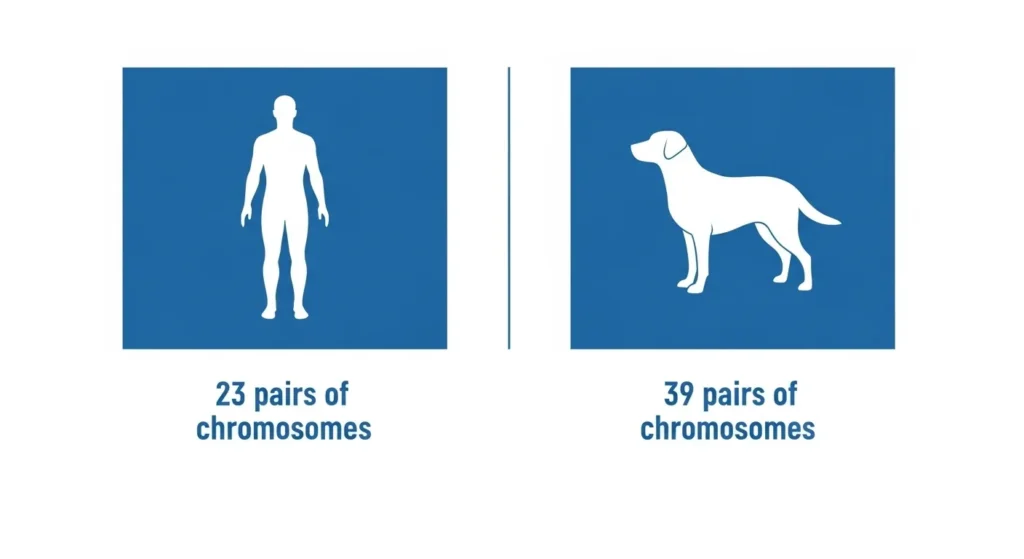
Humans have 23 pairs of chromosomes (46 total), while dogs have 39 pairs (78 total). Down syndrome occurs when humans have an extra copy of chromosome 21, creating 47 chromosomes instead of the normal 46. Since dogs have a completely different chromosome structure, they cannot develop this specific condition.
Why Pet Parents Ask This Question
Many dog owners search for “Down syndrome in dogs” because they notice symptoms that seem similar to human Down syndrome. These concerns are completely natural and show how much you care about your pet’s wellbeing.
Common signs that worry pet parents include:
- Unusual facial features
- Developmental delays
- Learning difficulties
- Physical coordination problems
- Behavioral differences
If you’ve noticed any concerning symptoms in your dog, our pet symptom checker can help you identify when veterinary care is needed.
What Conditions Can Look Like Down Syndrome in Dogs?
While dogs cannot have Down syndrome, they can experience genetic abnormalities that cause similar symptoms. Several conditions create comparable signs:
Congenital Hypothyroidism
This condition causes low or absent thyroid hormone levels at birth, resulting in developmental disabilities and distinct physical features. Signs include:
- Stunted growth
- Delayed mental development
- Shorter limbs
- Flattened facial features
- Learning difficulties
Hydrocephalus
This condition involves fluid buildup in and around the brain, causing a large domed skull and eye positioning problems. Symptoms include:
- Enlarged head
- Eye abnormalities (strabismus)
- Coordination problems
- Behavioral changes
- Seizures in severe cases
Pituitary Dwarfism
Growth hormone deficiency can cause symptoms similar to Down syndrome, including:
- Small body size
- Delayed development
- Coat abnormalities
- Reproductive issues
Portosystemic Shunt
This liver condition affects brain development and can cause:
- Learning disabilities
- Behavioral abnormalities
- Growth problems
- Neurological symptoms

Breeds More Likely to Have Genetic Conditions
Certain breeds are more prone to genetic conditions that mimic Down syndrome symptoms, including Yorkshire Terriers, Maltese, and Irish Wolfhounds. German Shepherds can also have chromosomal abnormalities.
If you’re considering getting a specific breed, use our pet breed finder quiz to learn about potential health concerns.
Signs That Need Veterinary Attention
Watch for these symptoms that require professional evaluation:
Physical Signs:
- Unusual facial structure
- Abnormal eye positioning
- Delayed growth
- Coordination problems
- Hearing or vision issues
Behavioral Signs:
- Learning difficulties
- Delayed house training
- Unusual social behaviors
- Repetitive movements
- Difficulty following commands
Developmental Signs:
- Late tooth eruption
- Delayed motor skills
- Poor muscle tone
- Difficulty eating or drinking
If your dog shows any of these symptoms, it’s important to get them to the vet for proper diagnosis and treatment.
Diagnosing Genetic Conditions in Dogs
Veterinarians use several methods to diagnose genetic conditions:
Clinical Examination
Your vet will conduct a thorough physical exam, checking:
- Growth patterns
- Neurological responses
- Heart and lung function
- Eye and ear health
Genetic Testing
Advanced genetic testing for dogs is still developing compared to human testing. However, some tests can identify specific genetic markers.
Imaging Studies
X-rays, ultrasounds, or MRI scans may reveal structural abnormalities.
Blood Work
Laboratory tests can detect hormone imbalances or organ dysfunction.
Living with Dogs Who Have Genetic Conditions
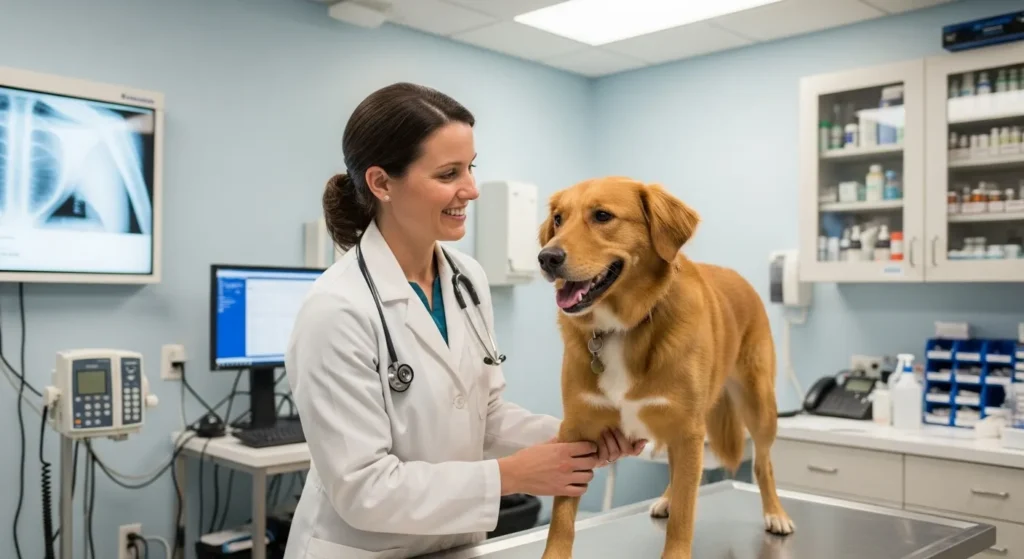
Dogs with genetic disorders can live fulfilling and happy lives with proper care and attention. Here’s how to help:
Special Care Requirements
Medical Management:
- Regular veterinary checkups
- Medication as prescribed
- Specialized diets if needed
- Physical therapy when appropriate
Environmental Modifications:
- Safe, accessible living spaces
- Non-slip surfaces for stability
- Consistent routines
- Patient training approaches
Quality of Life Improvements
Mental Stimulation:
- Puzzle toys appropriate for their abilities
- Gentle training sessions
- Social interaction
- Sensory enrichment
Physical Support:
- Assistive devices when needed
- Modified exercise routines
- Comfortable bedding
- Easy access to food and water
Prevention and Breeding Considerations
Responsible breeding practices help reduce genetic conditions:
For Breeders
- Health testing parent dogs
- Genetic screening when available
- Avoiding breeding affected dogs
- Honest disclosure about health risks
For Pet Parents
- Research breeder reputation
- Ask about health testing
- Meet parent dogs when possible
- Consider adoption as an alternative
Use our pet compatibility checker to find the right dog for your family situation.
When to Seek Emergency Care
Contact your veterinarian immediately if your dog shows:
- Difficulty breathing
- Seizures
- Loss of consciousness
- Inability to eat or drink
- Severe coordination problems
- Sudden behavior changes
Common Myths About Down Syndrome in Dogs
Myth: Dogs with unusual faces have Down syndrome Truth: Facial differences usually indicate other genetic conditions or are normal breed characteristics
Myth: Special needs dogs can’t live happy lives Truth: With proper care, these dogs often thrive and bring joy to their families
Myth: Genetic conditions are always severe Truth: Many dogs with genetic conditions live normal lifespans with minimal symptoms
Supporting Your Special Needs Dog
Creating a Supportive Environment
Make your home comfortable and safe:
- Remove hazards that could cause injury
- Provide stable footing on stairs
- Use raised food bowls if eating is difficult
- Maintain consistent daily routines
Training Adaptations
Modify training techniques:
- Use shorter training sessions
- Employ positive reinforcement
- Be patient with learning delays
- Celebrate small victories
Nutritional Considerations
Some genetic conditions require dietary changes:
- Specialized prescription diets
- Portion control for weight management
- Supplements as recommended by your vet
- Easy-to-digest foods
Check our pet food safety checker to ensure your dog’s diet is appropriate for their condition.
The Science Behind Genetic Research in Dogs
Research into canine genetic conditions continues advancing, though it lags behind human genetic testing. Scientists are working to better understand:
- Chromosomal abnormalities in dogs
- Genetic markers for inherited conditions
- Treatment options for affected dogs
- Prevention strategies for breeders
Caring for Puppies with Genetic Conditions
Special needs puppies face unique challenges and may not survive without extra care. Early intervention includes:
Immediate Care
- Assisted feeding if needed
- Temperature regulation
- Medical monitoring
- Gentle handling
Long-term Planning
- Regular health assessments
- Developmental milestone tracking
- Adjusted vaccination schedules
- Specialized veterinary care
Resources for Pet Parents
If you’re caring for a dog with special needs:
Professional Support
- Veterinary specialists
- Animal behaviorists
- Pet nutritionists
- Physical therapists for pets
Online Communities
- Special needs pet support groups
- Breed-specific health forums
- Veterinary advice platforms
- Educational resources
Financial Assistance
- Pet insurance considerations
- Charitable organizations
- Veterinary payment plans
- Community support programs
Related Health Topics for Dogs
Understanding genetic conditions helps you better care for your dog. Learn more about related health topics:
- Common dog owner mistakes to avoid health problems
- DCM in dogs – another serious genetic condition
- Safe foods and treats for dogs with health conditions

Conclusion
While dogs cannot have Down syndrome due to fundamental genetic differences, they can develop other conditions with similar symptoms. The key is recognizing signs early and working with your veterinarian to provide the best possible care.
Remember that dogs with genetic conditions often live happy, meaningful lives when given proper support. Your love, patience, and dedication make all the difference in helping your special dog thrive.
If you notice concerning symptoms in your dog, don’t delay seeking professional help. Use our pet age calculator to understand your dog’s life stage and health needs, then schedule a veterinary consultation for proper diagnosis and treatment planning.
Every dog deserves compassionate care, regardless of their genetic makeup. With knowledge, preparation, and veterinary support, you can provide an excellent quality of life for any dog in your family.