
Dogs feel pain from injuries, surgery, or conditions like arthritis. Pet owners often search for quick relief. This guide covers safe choices based on vet advice. Always check with your vet before giving any treatment.
Signs Your Dog May Be in Pain
Dogs hide pain well. Look for these clues:
- Limping or favoring one leg.
- Whining or yelping when touched.
- Less activity or play.
- Hard time standing or climbing stairs.
- Changes in eating or sleeping.
- Panting more than usual.
- Hiding or acting grumpy.
Use our pet symptom checker to track these signs. It helps spot issues early.

Why See a Vet First?
Pain can point to bigger problems. A vet exam finds the cause. They check blood work for safe meds. Self-treatment risks harm. Vets pick meds based on your dog’s age, weight, and health.
Related questions often asked: How can I tell if my dog is in pain? See the signs above. What if pain comes after surgery? Vets plan for that.
Safe Pain Meds for Dogs
Vets prescribe these for relief. They are FDA-approved for dogs. Never use without a prescription.
NSAIDs for Dogs
These cut swelling and pain. Common ones:
- Carprofen (Rimadyl): Good for joint pain.
- Meloxicam (Metacam): Helps with arthritis.
- Deracoxib (Deramaxx): For post-surgery.
- Firocoxib (Previcox): Once-daily dose.
- Grapiprant (Galliprant): Gentler on stomach.
Side effects may include upset stomach or kidney issues. Vets monitor with tests.
Opioids for Severe Pain
For strong pain like after surgery:
- Tramadol: Mild option.
- Codeine: Short-term use.
- Buprenorphine: Vet gives as shot.
These need close watch. They can cause drowsiness.
Other Meds
- Gabapentin: For nerve pain.
- Amantadine: With NSAIDs for chronic cases.
- Steroids like prednisone: For swelling, but not long-term.
Ask your vet about mixes for better relief.
Natural Remedies and Supplements
Some help mild pain. Use with vet okay.
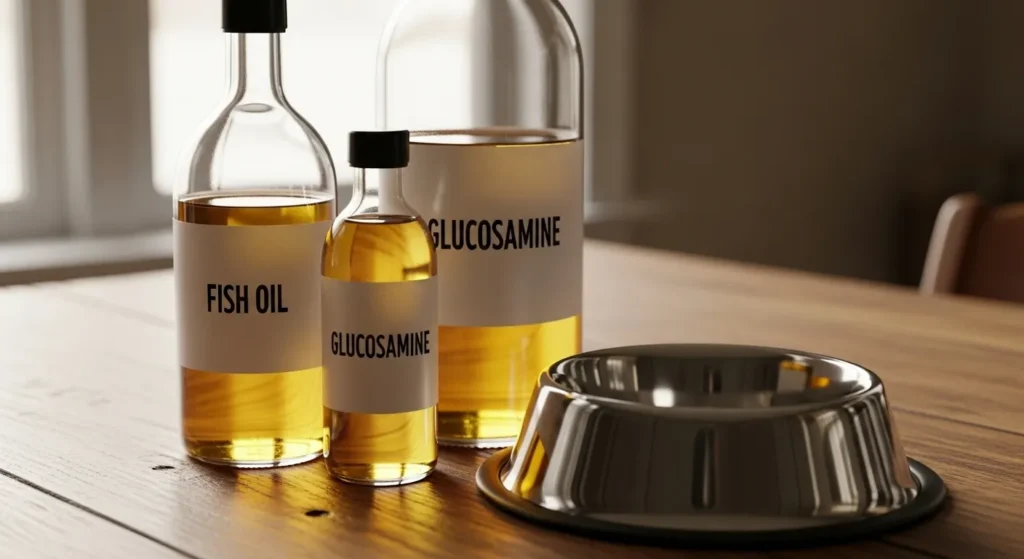
- Glucosamine and chondroitin: Support joints.
- Omega-3 from fish oil: Lowers swelling.
- Turmeric (curcumin): Anti-inflammatory.
- CBD oil: May ease arthritis, check dose.
Studies show these slow joint wear. Start low and watch for reactions.
Related searches: Natural pain relief for dogs? Try these. People also ask: Can dogs have CBD? Yes, but vet-approved.
Link to our pet food safety checker for supplement info.
Home Care Tips
Help your dog feel better without meds:
- Rest in a quiet spot.
- Use ramps for stairs.
- Keep weight healthy to ease joints.
- Apply cold packs for new injuries, heat for old ones.
- Gentle massage or walks.
Therapies like acupuncture or swim sessions work too. These boost recovery.
People also ask: How to comfort a dog in pain? Use these steps.
What Not to Give Your Dog
Avoid human meds. They cause harm.
- Ibuprofen: Kidney failure.
- Acetaminophen (Tylenol): Liver damage.
- Naproxen: Stomach ulcers.
- Aspirin: Only if vet says, rare now.
Even small doses hurt. See common dog owner mistakes to learn more.
People also ask: Can I give my dog aspirin? No, unless vet directs. Is ibuprofen safe? Never.
For facts, check the FDA guide on pet pain relievers.
When to Seek Emergency Care
Go to vet now if:
- Pain stops eating or moving.
- Swelling or bleeding.
- Crying won’t stop.
- Breathing changes.
Quick help saves lives. Use our pet age calculator to know if age plays a role.

This info is current as of September 2025. Facts match recent vet guidelines. For your dog’s breed, try our pet breed finder quiz. If pain links to heart issues, read DCM in dogs.