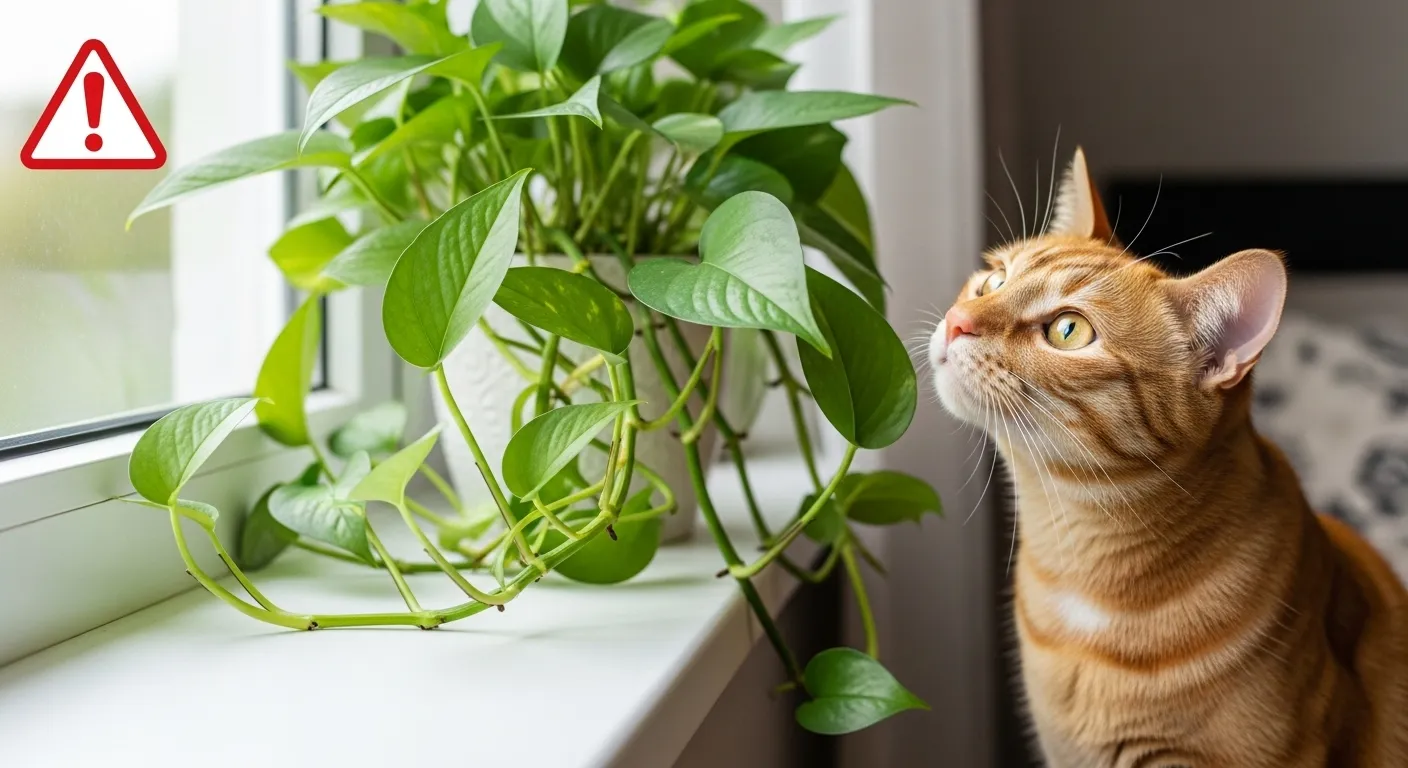
Pothos plants add green to homes. Many people like them because they grow easily. But if you have a cat, think twice. These plants can harm your pet. This guide covers the risks, signs, and steps to take. It also gives tips to keep your cat safe.
What Is a Pothos Plant?
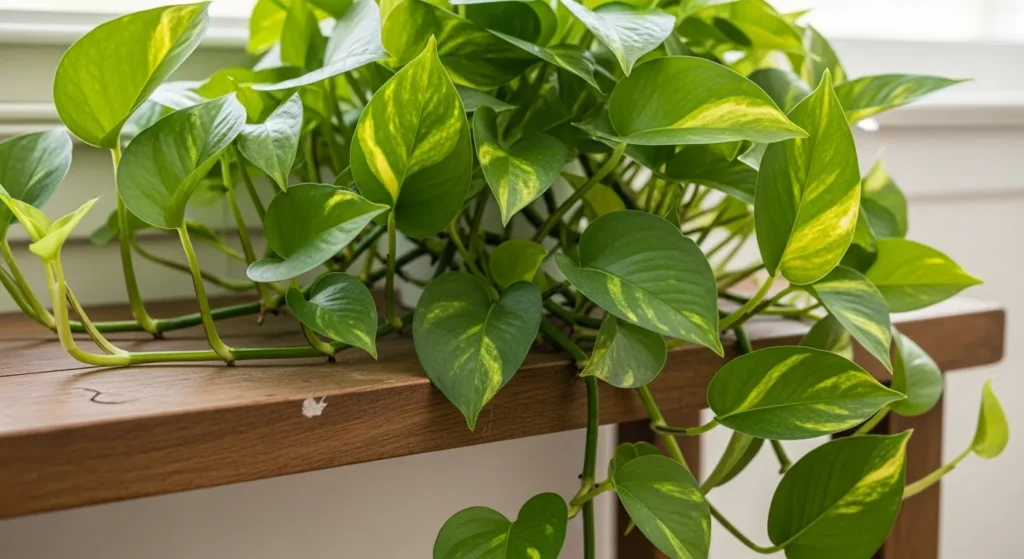
Pothos goes by names like golden pothos, devil’s ivy, or taro vine. Its science name is Epipremnum aureum. This vine has heart-shaped leaves. They can be green or have yellow spots. Pothos comes from warm places like Asia and Australia. It does well indoors with low light. People hang it or put it on shelves. The plant cleans air too. But its looks hide a danger for cats.
Why Are Pothos Toxic to Cats?
Pothos has tiny crystals called calcium oxalates. These are not poison like in some plants. But they act like needles. When a cat chews the leaves or stems, the crystals poke soft tissues. This causes pain right away. The mouth, throat, and stomach get irritated. All parts of the plant have these crystals. Even a small bite can hurt. Cats do not die from it most times. But the pain makes them drool or vomit. Vets say it is mild to medium risk. Still, get help fast if your cat eats it.
Cats chew plants out of boredom or to help their belly. They are meat eaters by nature. But they sometimes nibble greens for fiber. Pothos looks fun to play with because of its vines. That draws curious cats in.
Signs Your Cat Ate Pothos
Watch for changes after your cat gets near the plant. Signs start fast, often in minutes. Your cat may paw at its mouth. It could drool a lot more than usual. Vomiting happens sometimes. The cat might not want food or water. Swallowing looks hard. Lips or tongue may swell. In bad cases, breathing gets tough. Cats hide pain well. So even small signs mean check with a vet.
Here is a list of common signs:
- Pawing at the face or mouth.
- Extra drooling.
- Throwing up.
- No interest in eating.
- Hard time swallowing.
- Swollen mouth parts.
- Tired or quiet behavior.
If you see these, act quick. Use our pet symptom checker to note what you see. It helps when you call the vet.

For more on cat health issues, read our post on why is my cat meowing so much.
What to Do If Your Cat Eats Pothos
Stay calm but move fast. First, take the plant away from your cat. Rinse its mouth with cool water if it lets you. Do not make it vomit. That can make things worse. Call your vet or a poison line right away. In the US, try the ASPCA Animal Poison Control Center at (888) 426-4435. Or call Pet Poison Helpline at (855) 764-7661. Tell them what happened. Bring a piece of the plant to the vet. They may rinse the mouth more. Sometimes they give milk or yogurt to ease pain. For swelling, they use drugs like diphenhydramine. If the cat lost water, it gets fluids through a vein.
Most cats get better in a day or two. Feed soft wet food while the mouth heals. Keep an eye on breathing. If it gets hard, go back to the vet. To avoid this, check other plants. For example, learn if carnations are toxic to cats or if roses are toxic to cats.
How to Prevent Pothos Poisoning in Cats
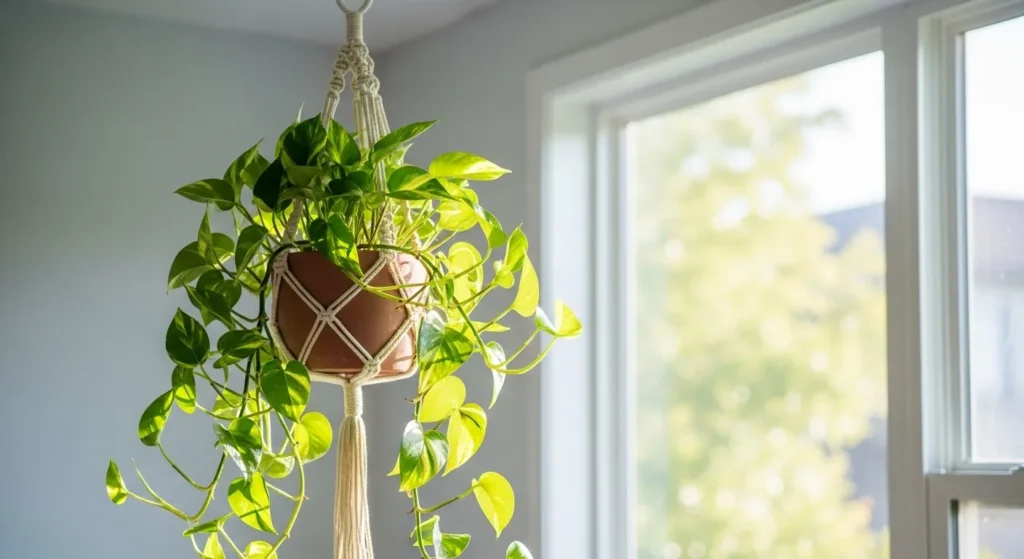
You can have pothos and cats if you plan well. Put the plant high up. Use hanging pots so vines do not touch the floor. Trim long parts often. Cats jump, so pick spots with no nearby tables. Spray lemon or orange scent around it. Cats hate citrus smells. It keeps them away.
Give your cat other things to chew. Grow cat grass or catnip in pots. These are safe and fun. Play with toys to stop boredom. A cat tree or scratching post works too. If your cat stays inside, this helps a lot.
Train your cat early. Say “no” when it goes near plants. Reward good acts with treats. If you worry, pick safe plants instead. Test your cat’s setup with our pet compatibility checker.
Safe Houseplants for Cats
Skip pothos if your cat chews everything. Try these instead. They look good and cause no harm.
- Boston fern: Soft leaves, likes damp spots.
- Peperomia: Thick leaves, easy to grow.
- Prayer plant: Pretty patterns, folds at night.
- Christmas cactus: Blooms in winter, no spines.
The ASPCA has a full list of safe plants. Check it before you buy. For food safety, see if cats can eat things like strawberries or watermelon.
Common Questions About Pothos and Cats
People often ask these based on searches.
What Happens If a Cat Eats Pothos?
The cat feels burning in the mouth. It drools and may vomit. Call a vet fast.
How Long Do Signs Last?
Most go away in 24 hours with care. But swelling can last longer.
Are All Pothos Types Toxic?
Yes. Golden, neon, and others all have the crystals.
Can Pothos Kill a Cat?
Rare. But if the cat has health problems, it could get bad. Always check.
Why Do Cats Eat Plants?
For fun or to help digestion. Give safe options.
For breed tips, try our pet breed finder quiz. If you wonder about age, use the pet age calculator.
This info comes from trusted spots like vets and poison centers. As of September 2025, no big changes in facts. Keep plants safe to protect your cat.