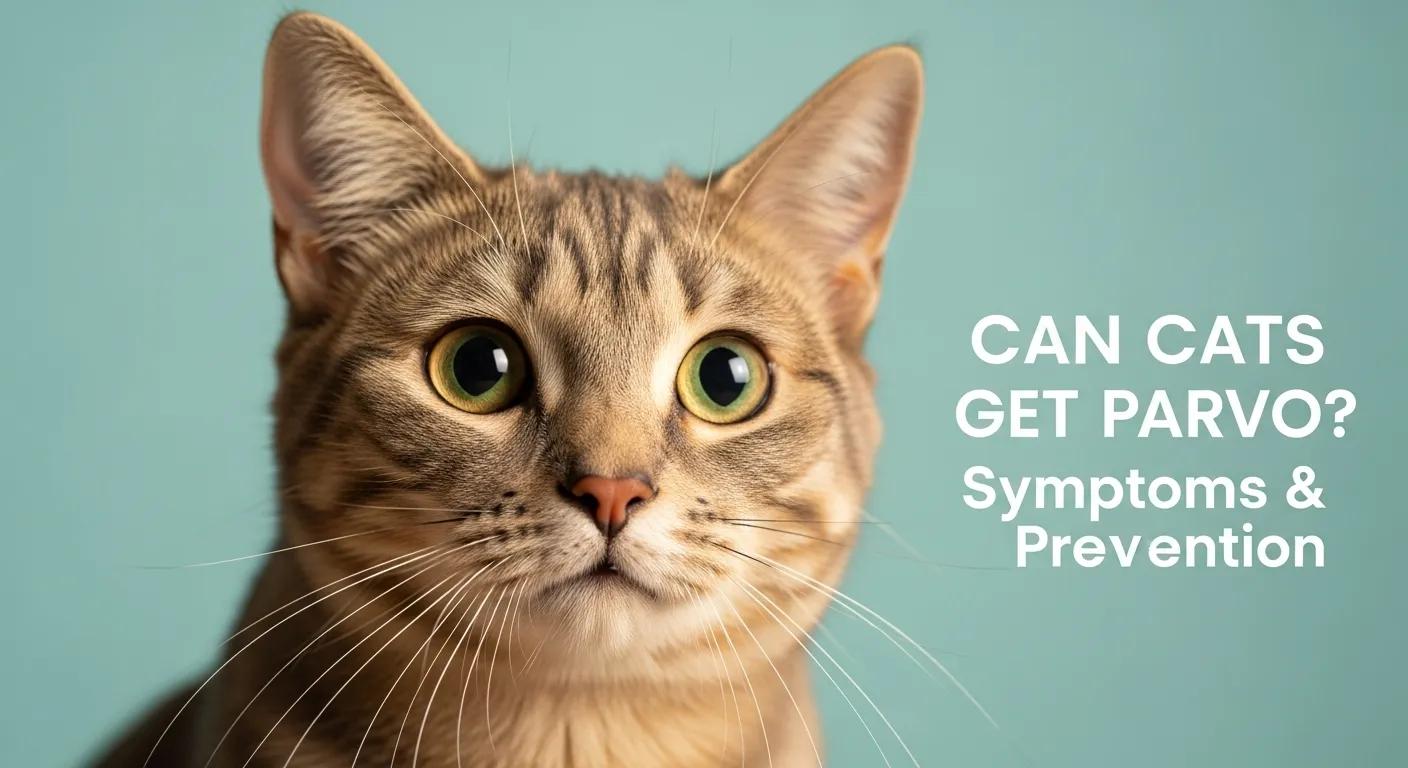
Cats face many health risks. One common worry is parvo. But does it affect cats the same way it does dogs? This guide covers the facts. It explains what parvo means for cats, how to spot signs, and steps to keep your cat safe. We draw from trusted vet sources to give clear advice.
What Is Parvo in Cats?
Parvo in cats refers to feline panleukopenia. This comes from the feline panleukopenia virus, or FPV. People sometimes call it feline parvovirus. It hits hard on the gut, bone marrow, and immune system. Kittens under six months suffer the most. The virus kills fast-growing cells. This leads to low white blood cell counts. Without those cells, cats struggle to fight infections.
Adult cats can get it too. But they often show milder signs or none at all. Unvaccinated cats in shelters or multi-cat homes face higher risks. The virus lives long in the world around us. It sticks to surfaces for months or years.
How Parvo Differs from Canine Parvo
Canine parvovirus strikes dogs. It causes bloody diarrhea and vomiting. Feline panleukopenia looks similar but comes from a different virus. Cats do not catch dog parvo in most cases. New dog virus strains, like CPV-2a or CPV-2b, might infect cats rarely. But feline panleukopenia stays cat-specific. Dogs and people cannot get it from cats. Keep dog and cat vaccines separate.
For more on dog health, check our post on common dog owner mistakes.
How Do Cats Contract Parvo?
The virus spreads fast. Infected cats pass it in stool, urine, vomit, and saliva. Fleas carry it too. A cat touches these and then grooms itself. The virus enters through the mouth or nose.
Other ways include:
- Sharing litter boxes, bowls, or bedding with sick cats.
- Contact with dirt or objects in infected areas.
- Mother cats passing it to unborn kittens during pregnancy.
Outdoor cats pick it up easier. Indoor cats stay safer but still need protection. The virus resists most cleaners. Use bleach to kill it on surfaces.
If your cat seems off, use our pet symptom checker to track issues early.
Signs of Parvo in Cats
Watch for changes in your cat. Symptoms start two to ten days after exposure. They hit sudden and hard. Kittens may die quick without warning.
Common signs include:
- Lethargy and weakness.
- Loss of appetite.
- Fever or low body temperature.
- Vomiting, often with blood.
- Watery or bloody diarrhea.
- Dehydration from fluid loss.
- Abdominal pain, shown by hunching.
Kittens might seem uncoordinated if the virus hits the brain early. Adults may just hide or skip meals. If your cat stops eating, see how long cats can go without eating. Act fast. Delay raises death risk.
Is Parvo Fatal for Cats?
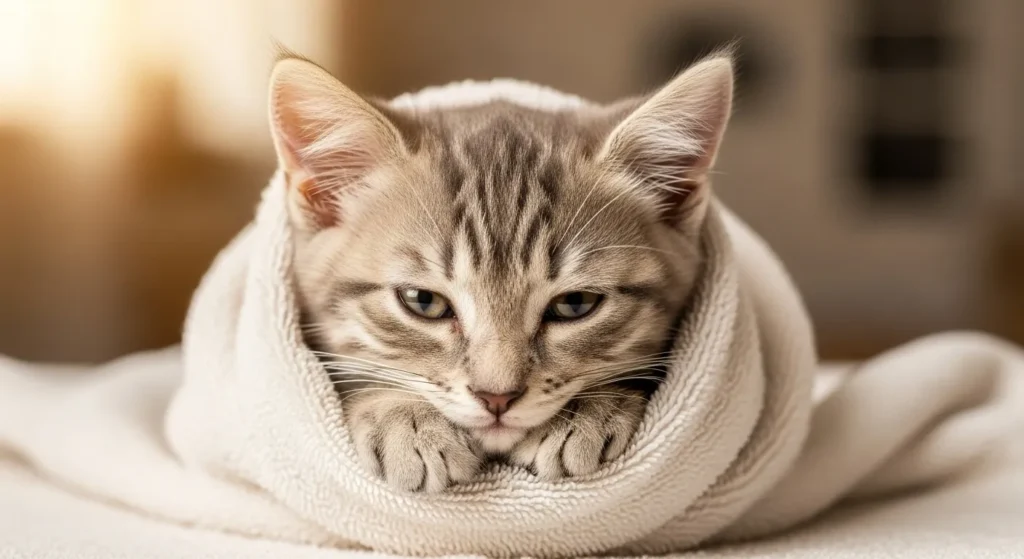
Yes, it can be. Kittens have up to 90% death rates without care. Adults fare better, around 20-50% survival with treatment. Quick vet help boosts chances. The virus weakens the body. Secondary infections, like pneumonia, add danger. Pregnant cats risk losing litters or birthing kittens with lasting nerve damage.
Some cats carry the virus without signs. They spread it for weeks. Survival depends on age, health, and speed of care. Vaccinated cats rarely get severe cases.
Diagnosing Parvo in Cats
Vets spot it from symptoms and history. They check for low white blood cells via blood test. A stool snap test finds the virus fast. These rule out other ills like worms or toxins.
X-rays or ultrasounds check gut damage. Early diagnosis matters. Call your vet right away if signs appear. For related cat issues, read why does my cat lick me to understand normal behaviors versus sickness.
Treatment for Cats with Parvo
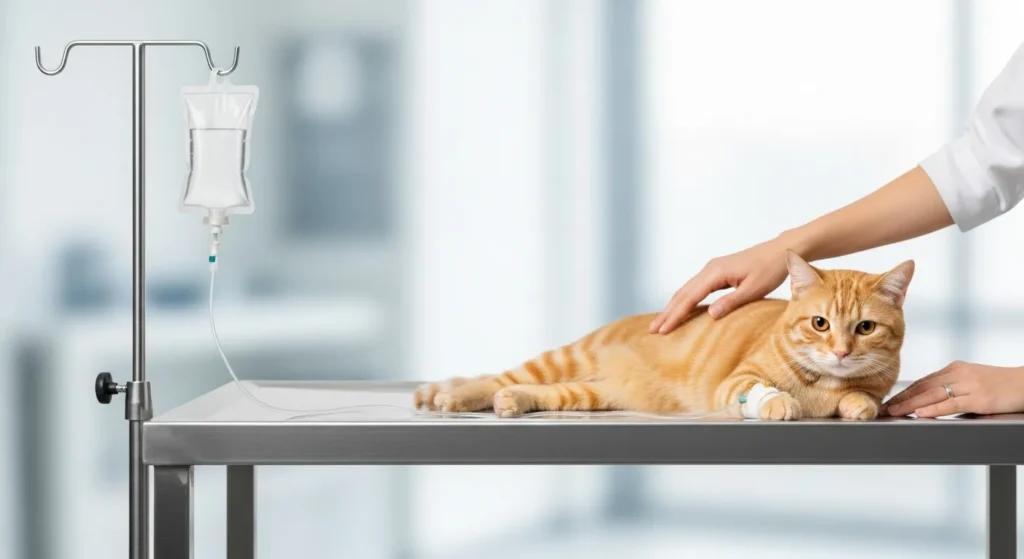
No drug kills the virus. Care focuses on support. Vets use IV fluids to fix dehydration. Anti-nausea meds stop vomiting. Antibiotics fight added bacteria.
- Hospital stays for severe cases, with tube feeding if needed.
- Warmth and quiet to ease stress.
- Blood transfusions for very low cell counts.
Home care works for mild cases. Isolate the cat. Clean with one part bleach to 32 parts water. Wash hands often. Monitor weight and fluids. Full recovery takes days to weeks. Some cats gain lifelong immunity after beating it.
Preventing Parvo in Cats
Vaccines offer the best shield. Start at six to eight weeks for kittens. Give three doses, two to four weeks apart. Boosters follow at one year, then every one to three years.
Keep kittens indoors until fully vaccinated. Avoid contact with strays or unknown cats. Flea control cuts spread risk. Clean homes well if exposure happens.
Spay or neuter reduces roaming and fights. Use our pet breed finder quiz to pick low-risk breeds if adopting.
Can Cats Get Parvo from Dogs?
Most times, no. Feline and canine viruses differ. But rare dog strains might cross over. Keep unvaccinated pets apart. Vaccinate both to stay safe.
People also ask questions like: How long does parvo last in cats? Recovery takes five to seven days with care, but virus sheds up to six weeks. Is cat parvo curable? Not directly, but support helps many survive. What kills parvo on surfaces? Bleach solution works best.
Related searches cover symptoms in kittens and home remedies. Always see a vet over home fixes.
This knowledge helps you protect your cat. Stay on top of vaccines. Watch for odd behaviors. Your quick action saves lives. If symptoms show, head to the vet now.