
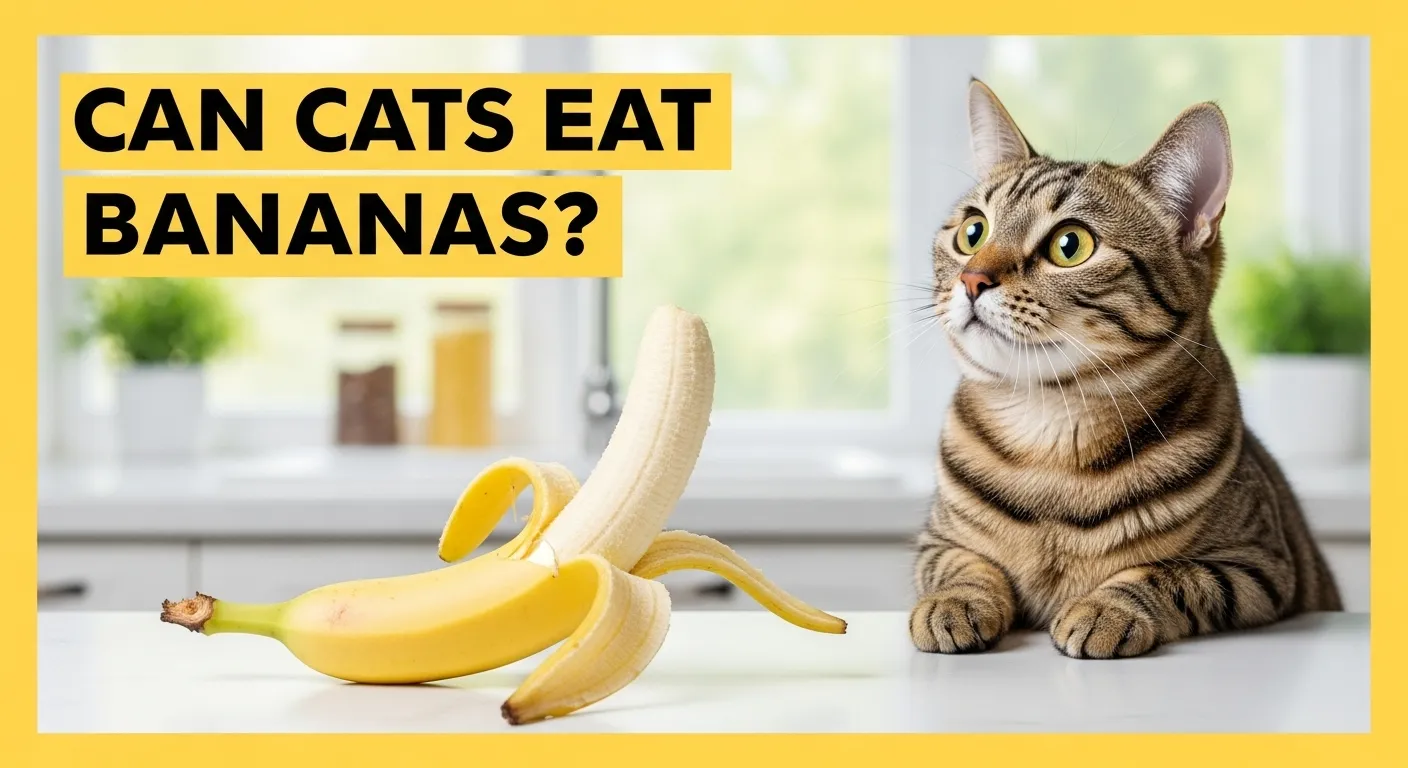
Cats are curious creatures, often sniffing around their owners’ food. If you’ve caught your feline friend eyeing a banana, you might wonder, “Can cats eat bananas?” This guide explores whether bananas are safe for cats, their nutritional value, potential risks, and how to feed them properly. We’ll also answer common questions and suggest alternatives to keep your cat healthy and happy.
Are Bananas Safe for Cats?
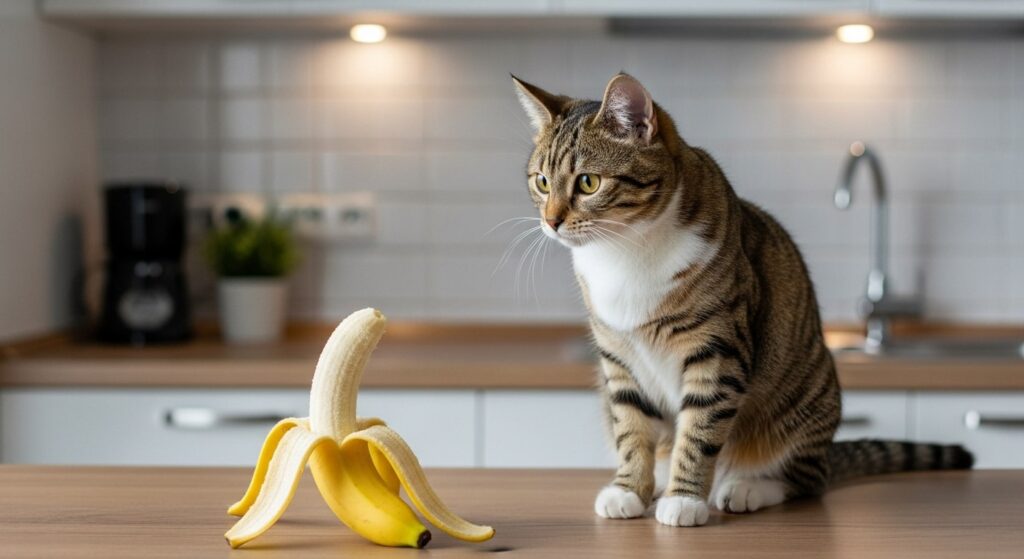
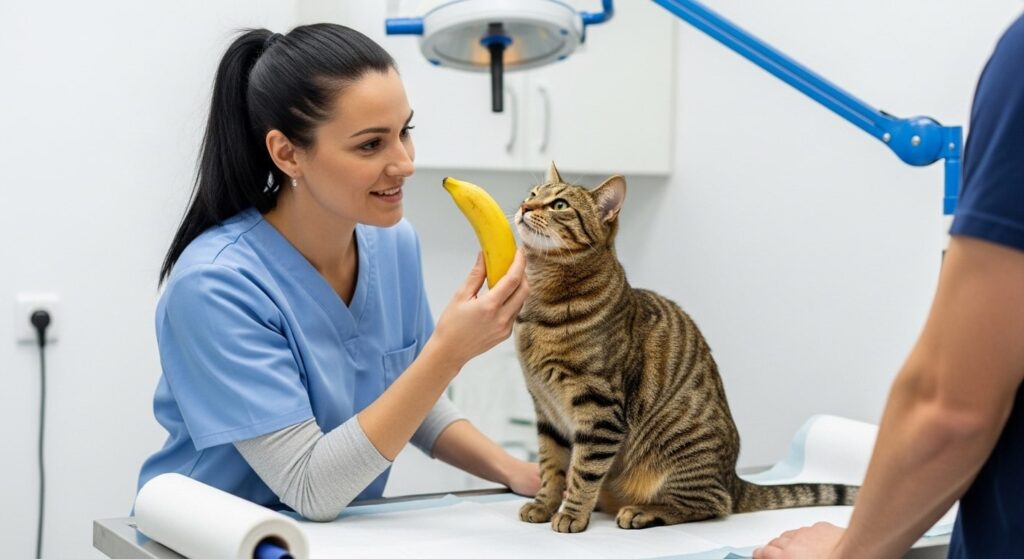
Yes, cats can eat bananas in small amounts. Bananas are not toxic, so a tiny piece is unlikely to harm your cat. However, cats are obligate carnivores, meaning their diet should primarily consist of meat. Fruits like bananas do not provide essential nutrients for cats and should only be an occasional treat. Always consult your veterinarian before introducing new foods to ensure they suit your cat’s health needs.
Nutritional Value of Bananas for Cats
Bananas are packed with nutrients that benefit humans, including:
- Fiber: Supports digestion in humans but has limited benefits for cats.
- Potassium: Aids heart health but is not critical for cats.
- Vitamin B6: Supports brain function but is not a primary need for cats.
- Magnesium: Helps muscles and nerves but is better sourced from cat food.
Cats lack the enzymes to digest plant material efficiently and have fewer taste receptors for sweetness, so they may not even enjoy bananas. High-quality cat food provides all the nutrients your cat needs, making bananas unnecessary.
| Nutrient | Benefit for Humans | Relevance for Cats |
|---|---|---|
| Fiber | Aids digestion | Limited benefit; may cause upset |
| Potassium | Supports heart health | Not essential; better from meat |
| Vitamin B6 | Supports brain function | Not a primary need |
| Magnesium | Supports muscles and nerves | Better from cat food |
Potential Risks of Feeding Bananas to Cats
While bananas are safe in moderation, there are risks to consider:
- High Sugar Content: Bananas have natural sugars that can lead to weight gain or worsen diabetes in cats.
- Digestive Issues: Cats struggle to process plant material, so too much banana may cause vomiting or diarrhea.
- Choking Hazard: Banana peels are indigestible and can cause choking or blockages. Keep peels out of reach.
Moderation is key to avoid these risks. A small bite may be fine, but overfeeding can harm your cat.
How to Safely Feed Bananas to Your Cat
If you want to share a banana with your cat, follow these steps:
- Portion Size: Offer a small piece (about 1 inch or less) as a rare treat. Treats should be less than 10% of your cat’s daily calories.
- Preparation: Peel the banana and remove any strings. Mash it slightly for easier eating.
- Monitor Reactions: Watch for signs of digestive upset, like vomiting or diarrhea. Stop feeding bananas and contact your vet if issues arise.
Always supervise your cat when trying new foods, and check with your vet first, especially if your cat has health conditions.
Alternatives to Bananas for Cats
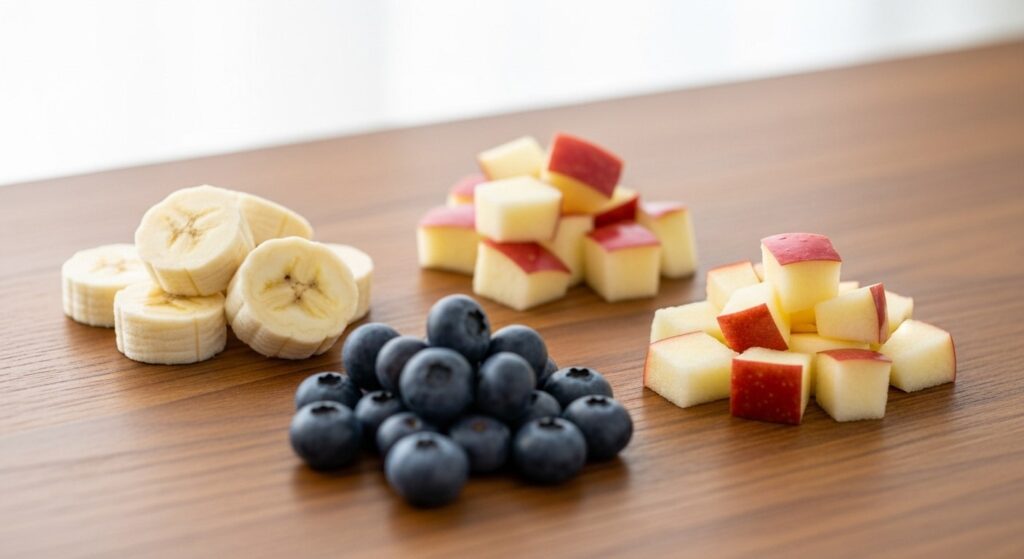
If you’re looking for other safe treats, try these:
- Apples: Small, seedless pieces are low in sugar and offer a crunchy texture.
- Blueberries: Low-calorie and rich in antioxidants, they’re a healthy occasional treat.
- Pumpkin: Plain, cooked pumpkin aids digestion and is often used in cat food.
Like bananas, these treats should be given sparingly and not replace a balanced, meat-based cat food diet.
When to Avoid Feeding Bananas
Avoid giving bananas to cats with these conditions:
- Diabetes: The sugar in bananas can disrupt blood sugar levels.
- Obesity: Bananas’ calories and sugar can contribute to weight gain.
- Digestive Sensitivities: Cats with sensitive stomachs may experience upset from bananas.
Kittens under 12 months should stick to kitten-specific food, as their nutritional needs are different. Always consult your vet before offering bananas to cats with health issues.
Conclusion
Bananas can be a safe occasional treat for cats, but they offer little nutritional value for obligate carnivores. Due to their high sugar content and potential for digestive issues, bananas should be given sparingly. Always prioritize a meat-based diet and consult your veterinarian before introducing new foods. By following these guidelines, you can keep your cat healthy and satisfied.
Frequently Asked Questions (FAQs)
- Can cats eat banana peels?
No, banana peels are indigestible and can cause choking or blockages. Keep them away from cats. - What if my cat is allergic to bananas?
Signs of an allergy include itching, swelling, vomiting, or diarrhea. Contact your vet immediately if these occur. - How often can I give my cat bananas?
Bananas should be a rare treat, not a regular part of their diet. Limit to small pieces occasionally. - Are other fruits toxic to cats?
Yes, grapes, raisins, and citrus fruits are toxic and should be avoided. Always research before offering fruits. - Can kittens eat bananas?
Kittens under 12 months should stick to kitten food. Consult your vet before offering bananas to adult cats.