
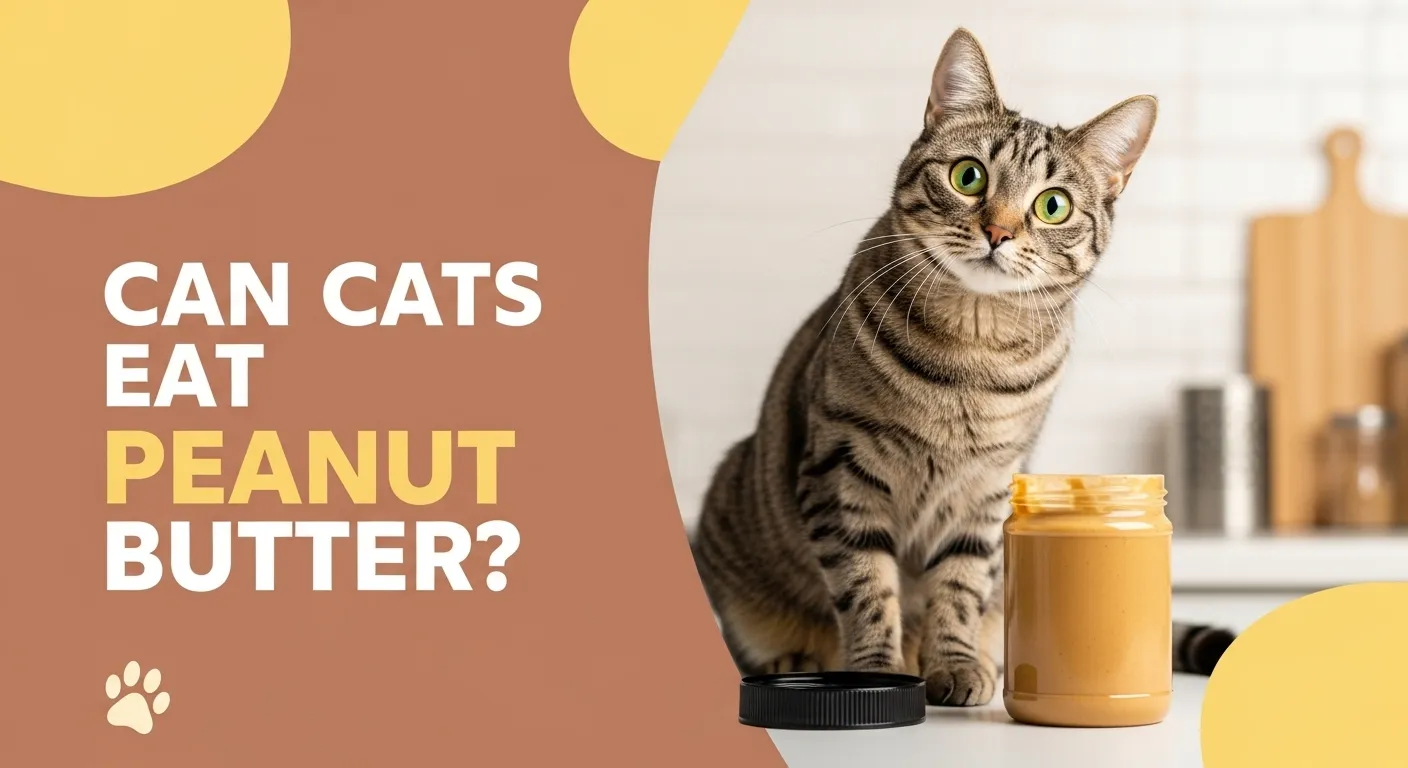
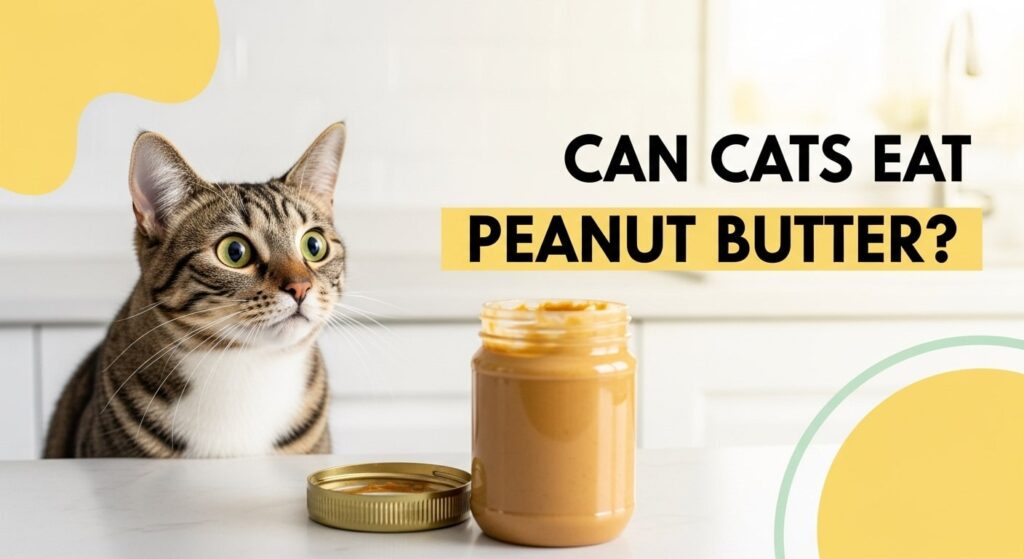
You’re spreading peanut butter on toast, and your cat’s curious eyes lock onto it. Can you share a little? The answer isn’t straightforward. Cats can eat a tiny amount of peanut butter, but it’s not recommended. This guide covers why, the risks, safer treats, and what to do if your cat sneaks some. Let’s keep your feline friend safe and healthy.
Is Peanut Butter Safe for Cats?
Cats can have a small lick of peanut butter, but it’s not a good treat. Cats are obligate carnivores, meaning they need animal-based proteins, not plant-based foods like peanut butter. It lacks the nutrients cats need and can cause health issues. A tiny taste won’t harm most cats, but there are better options.
Risks of Feeding Peanut Butter to Cats
Peanut butter can be harmful to cats for several reasons. Here’s what to watch for:
Xylitol Poisoning
Some peanut butters contain xylitol, a sweetener toxic to cats. It can cause low blood sugar, leading to serious symptoms like:
- Vomiting
- Lethargy
- Seizures
- Liver failure
If your cat eats xylitol-containing peanut butter, contact a vet immediately. Always check labels for xylitol, sometimes listed as birch sugar or wood sugar.
High Fat and Sugar
Peanut butter is high in fat and sugar, which can cause:
- Obesity
- Diabetes
- Vomiting
- Diarrhea
Cats don’t need extra calories from plant-based fats, and their bodies aren’t built to process them well.
Too Much Sodium
Many peanut butters have added salt, which can lead to:
- Excessive thirst
- Increased urination
- Heart or kidney issues
This is especially risky for cats with pre-existing conditions. Choose unsalted peanut butter if you must use it.
Choking Hazard
Peanut butter’s sticky texture can be hard for cats to swallow, posing a choking risk. Chunky varieties or whole peanuts can also cause blockages.
| Risk | Details | Symptoms |
|---|---|---|
| Xylitol | Toxic sweetener in some brands | Vomiting, lethargy, seizures, liver failure |
| High Fat/Sugar | Leads to weight gain and digestive issues | Obesity, vomiting, diarrhea |
| Sodium | Harms heart and kidneys | Thirst, urination, vomiting |
| Choking | Sticky texture or peanuts cause blockages | Gagging, difficulty swallowing |
Safer Treats for Your Cat
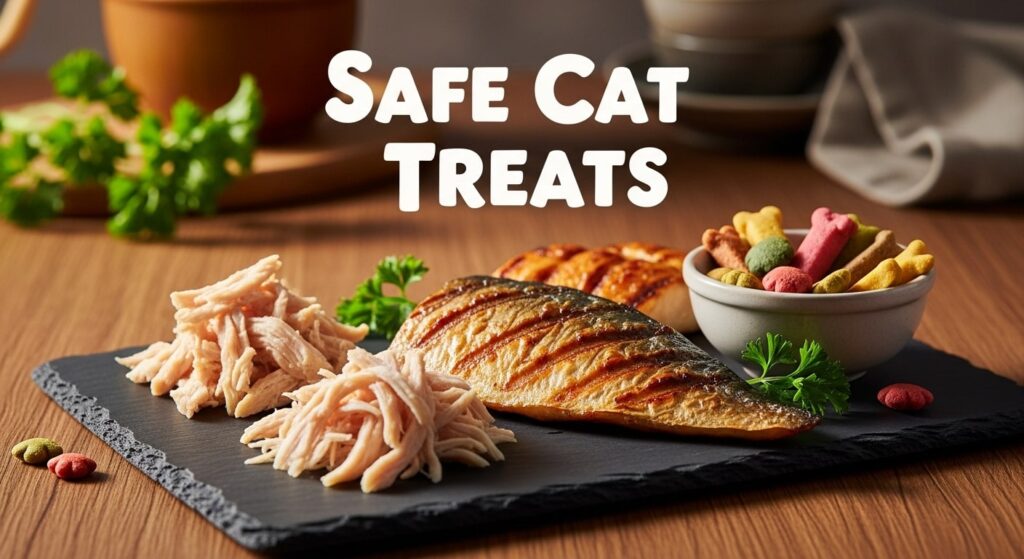
Instead of peanut butter, give your cat treats that match their nutritional needs. Try these:
- Cooked Chicken or Turkey: Plain, boneless, and skinless for high protein.
- Fish (Tuna or Salmon): Canned in water or fresh, unseasoned, for omega-3s.
- Commercial Cat Treats: Formulated for feline health.
Introduce new foods slowly to avoid stomach upset. Check with your vet to ensure they’re safe for your cat.
Using Peanut Butter Safely (If Needed)
If you need to use peanut butter, like to hide medication, follow these tips:
- Pick all-natural, xylitol-free, unsalted peanut butter.
- Use a tiny amount, like 1/8 teaspoon.
- Monitor for vomiting, diarrhea, or allergies.
Better options exist for medication, like pill pockets or hiding pills in chicken. Ask your vet for advice.
What If Your Cat Eats Peanut Butter?
If your cat gets into peanut butter:
- Check Ingredients: If it has xylitol, call your vet or an emergency line like the Pet Poison Helpline (1-800-213-6680) immediately.
- Watch for Symptoms: Look for vomiting, lethargy, or breathing issues.
- Contact a Vet: If you’re worried or see symptoms, get professional help.
For emergencies, visit ASPCA Animal Poison Control or Pet Poison Helpline.
Conclusion
A small lick of peanut butter won’t likely harm your cat, but it’s not a healthy treat. Risks like xylitol poisoning, high fat, sugar, sodium, and choking make it a poor choice. Stick to cat-friendly treats like chicken or fish to keep your pet healthy. Always consult your vet before offering new foods.
Frequently Asked Questions
Can cats eat peanuts?
Plain, unsalted peanuts aren’t toxic but offer no benefits and can be a choking hazard. Avoid them.
Is almond butter safe for cats?
No, it’s similar to peanut butter with no nutritional value and potential risks like xylitol.
What are signs of xylitol poisoning?
Vomiting, lethargy, seizures, and liver failure. Seek immediate vet care.
How can I give my cat medication without peanut butter?
Use pill pockets or hide pills in chicken or fish. Ask your vet for tips.