
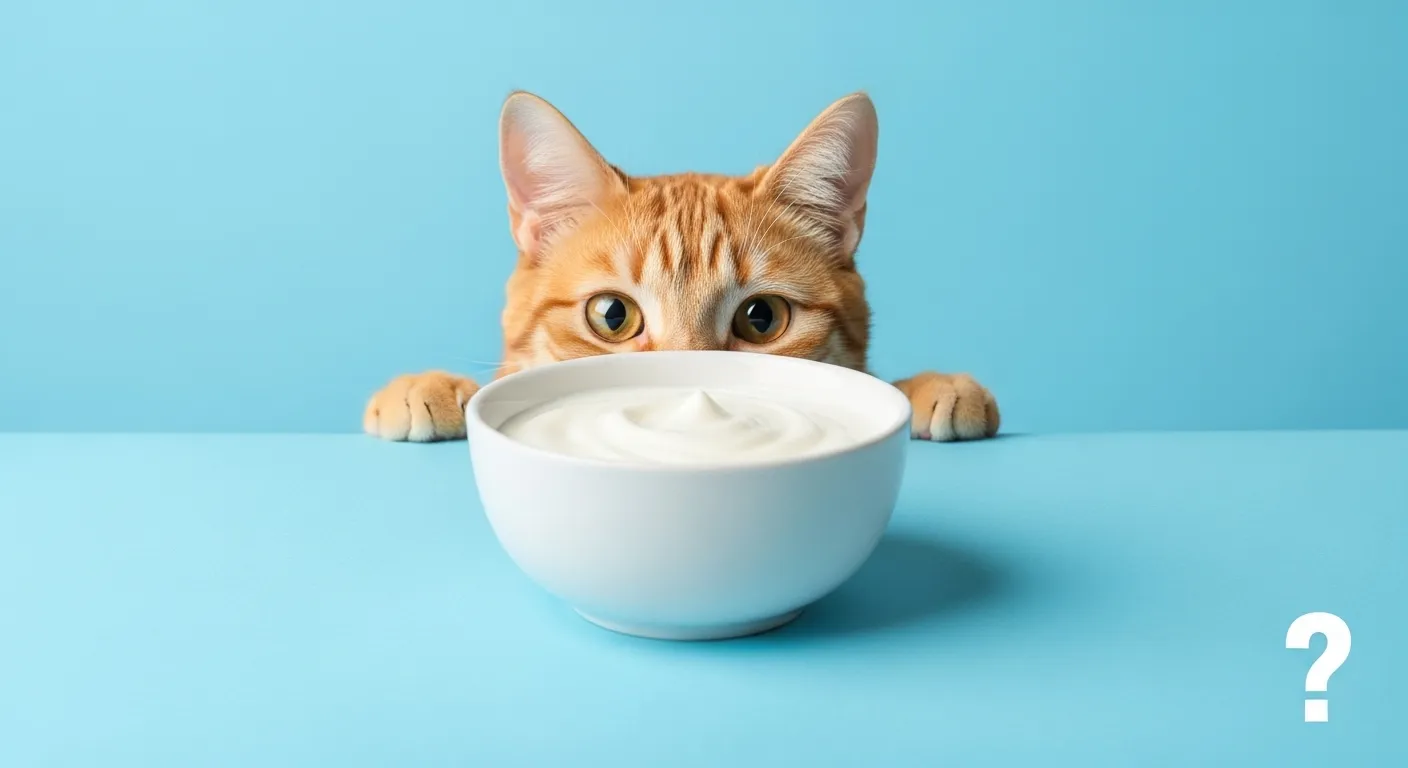
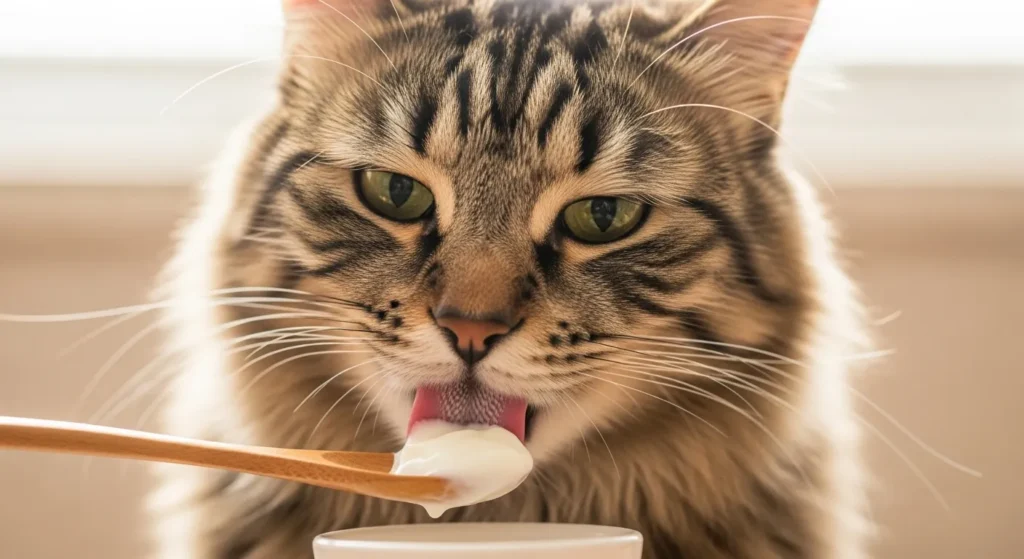
Many cat owners wonder if sharing a bit of yogurt with their pet is okay. This guide covers the basics based on reliable sources. It looks at when yogurt might be fine and when to skip it. Always put your cat’s health first.
Benefits of Yogurt for Cats
Yogurt can offer some good things for cats in small doses. It has protein that helps with muscle and energy needs. Calcium in it supports bones and teeth.
- Probiotics may aid digestion and gut health.
- Vitamins like B2 and B12 help with energy and cell function.
- Minerals such as potassium and magnesium assist with heart and nerve work.
These perks come from the way yogurt is made, which breaks down some sugars. Still, a balanced cat food usually covers all this already.
Potential Risks When Feeding Yogurt
Not all cats handle yogurt well. Most lose the ability to digest lactose after they stop nursing. Yogurt has less lactose than milk because of fermentation, but it can still cause issues.
Watch for signs like loose stools, throwing up, or gas. Too much can lead to weight gain or other problems. Flavors or additives might include harmful things like sweeteners that are bad for cats.
Skip it for young kittens, as their systems are too delicate. If your cat shows any bad reaction, stop right away. For help with signs of discomfort, try our pet symptom checker to get quick insights.
Safe Types of Yogurt for Cats
Stick to plain varieties without extras. Unsweetened and low-fat options work best. Greek style often has even less lactose and more protein, making it easier on the stomach.
Avoid anything with fruit, vanilla, or chocolate. These can have sugars or toxins like xylitol. Check labels to make sure nothing harmful is added.
To confirm if a certain food item is right for your pet, use our pet food safety checker for simple guidance.
How Much Yogurt Is Okay?
Keep portions tiny. Start with just a teaspoon to see how your cat reacts. If all goes well, limit to one or two tablespoons at most, and not every day.
Treats should make up no more than 10 percent of daily calories. The rest comes from proper cat food. This helps avoid overdoing it on fats or calories.
For more on feeding amounts, see our post on how much wet food to feed your cat.
Talk to Your Vet First
Before adding yogurt, check with a professional. They know your cat’s specific needs. For gut issues, they might suggest supplements made just for cats instead.
This is key if your cat has health conditions or sensitivities. Regular checkups help catch any problems early.
If you’re unsure about your cat’s age and how it affects diet, our pet age calculator can provide a helpful estimate.
Final Thoughts
Yogurt can be a safe occasional treat for some cats if done right. Focus on plain types in small amounts. Watch your pet closely and seek advice when needed. A good diet keeps cats healthy and happy.
Related Articles
Here are some other guides that might interest you: