
Yes, dogs can eat blueberries. They’re non-toxic, low in calories, and packed with nutrients that genuinely benefit your dog’s health. Most dogs enjoy them, and vets consider them one of the safer fruit treats you can offer.
That said, there are a few things worth knowing before you start tossing them over — how many is too many, which forms to avoid, and whether your dog’s specific health history changes anything. If you ever want to double-check any food quickly, the Pet Food Safety Checker at Petfel lets you verify before you feed.
Are Blueberries Healthy for Dogs?
Blueberries aren’t just safe — they’re genuinely good for dogs when fed correctly. Here’s what’s inside them and why it matters.

Antioxidants and Anthocyanins
Blueberries are one of the highest antioxidant fruits available. The key compounds are anthocyanins — the pigments that give blueberries their deep blue color. These fight free radicals in the body, which are unstable molecules that damage cells over time.
In dogs, oxidative stress from free radicals contributes to aging, inflammation, and chronic disease. Research cited by the USDA shows antioxidant-rich foods improve health markers in animals, not just humans. A study published on PubMed found that antioxidant supplementation reduced the effects of brain aging in dogs — meaning blueberries may support cognitive function as your dog gets older. This is especially relevant for senior dogs, where the effects of oxidative stress become more visible over time.
Vitamin C and Vitamin K
Blueberries contain both. Vitamin C supports immune function and helps the body repair tissue. Dogs produce some vitamin C on their own, but extra dietary sources can help during stress or illness. Vitamin K plays a role in blood clotting and bone metabolism — both important for long-term health.
Fiber and Digestive Health
A small handful of blueberries adds useful dietary fiber to your dog’s diet. Fiber supports healthy gut movement and can reduce constipation. The key word is small — too much fiber from too many blueberries can cause loose stools or diarrhea. If your dog already struggles with digestive issues, introduce them slowly and watch for changes.
Low Calorie — Good for Weight Management
One blueberry contains roughly 1 calorie. For a medium-sized dog, a 10-berry serving is about 10 calories — far lower than most commercial treats, which often run 30–70 calories each. If your dog is on a weight management plan, blueberries are one of the few treats that won’t quietly undermine it. For a broader look at what produce is safe to add to your dog’s bowl, see what vegetables dogs can eat and what fruits dogs can eat for a complete cross-reference.
How Many Blueberries Can a Dog Eat?
This is where most articles go vague. Here’s a concrete breakdown.
Serving Size by Dog Size
| Dog Size | Weight Range | Recommended Serving |
|---|---|---|
| Extra Small | Under 10 lbs | 1–2 blueberries |
| Small | 10–25 lbs | 3–5 blueberries |
| Medium | 25–60 lbs | 5–10 blueberries |
| Large | 60–100 lbs | 10–15 blueberries |
| Extra Large | Over 100 lbs | Up to 20 blueberries |
These are treat servings, not daily targets you need to hit. Two or three times a week is plenty. Daily is fine too, as long as you stay within these ranges.
The 10% Treat Rule Explained
The AKC and most veterinary nutritionists follow the same guideline: treats — all treats combined — should make up no more than 10% of your dog’s total daily calorie intake. For a 30-pound dog eating around 700 calories a day, that’s 70 treat calories maximum. Blueberries fit easily inside that window. The issue isn’t blueberries specifically — it’s stacking them on top of an already treat-heavy day. Count them as part of the total.
Not sure how old your dog is in human terms or what their calorie needs look like at their life stage? The Pet Age Calculator can help you understand where your dog sits developmentally, which affects how you think about treats and diet overall.
How to Feed Blueberries to Your Dog
Fresh Blueberries
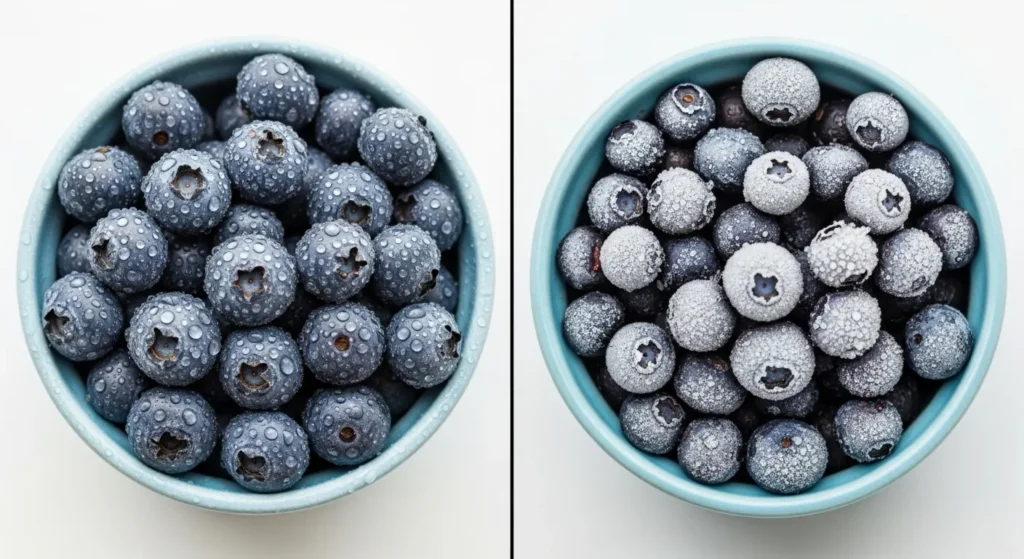
Wash them first. Blueberries frequently appear on higher-pesticide-residue produce lists. A quick rinse under cold water removes surface chemicals. After that, they’re ready. No cutting needed for medium and large dogs. For dogs under 15 pounds, halving them reduces choking risk.
Frozen Blueberries
Frozen blueberries are safe and often preferred by dogs on hot days. They make a good low-mess training reward, and dogs tend to work harder for the cold crunch. Thaw slightly before giving them to very small dogs. For teething puppies, frozen blueberries can offer mild gum relief between 3 and 6 months.
Blueberries as a Food Topper
Scatter a few blueberries over your dog’s regular kibble for added flavor and variety. Mash them lightly if your dog picks around additions rather than eating them. This works well for picky eaters or dogs transitioning to a new food. If you’re already mixing wet food or fresh ingredients into your dog’s meals, blueberries fit naturally into that rotation.
What to Avoid
Blueberry-Flavored Human Foods
Blueberry muffins, blueberry yogurt, blueberry jam, blueberry pancakes — none of these work for dogs. They contain added sugars, butter, artificial flavors, and sometimes xylitol, an artificial sweetener that is toxic to dogs. The word “blueberry” on a label tells you nothing about safety. Stick to the whole fruit only. For more on which human foods to keep away from your dog entirely, is rawhide bad for dogs and can dogs eat avocado are worth reading alongside this.
Blueberry Juice
Juice concentrates the sugar and strips out the fiber. A few laps won’t poison your dog, but there’s no benefit and real downside — elevated sugar intake with nothing to slow absorption. Skip it entirely.
Overfeeding Risks
More than the recommended serving causes digestive upset in most dogs. The main symptoms are loose stools and stomach discomfort. Some dogs develop diarrhea after 20–30 blueberries in one sitting. Start small with any new dog and scale up only after you’ve confirmed they tolerate it. If your dog already deals with a sensitive stomach, you’ll want to read about why dogs get diarrhea before adding anything new to their diet.
Risks and Side Effects to Know
Choking Risk in Small Dogs
Blueberries are small, but a dog that gulps food without chewing is still at risk — especially toy breeds and puppies. Cut blueberries in half for any dog under 15 pounds. Watch them eat for the first few times to understand how they handle it.
Digestive Upset
A new food introduced too quickly can cause gas, soft stools, or vomiting even if the food itself is perfectly safe. Start with 2–3 blueberries on day one. Increase slowly over several days. If your dog vomits after trying blueberries, why is my dog vomiting walks through the common causes and when to call a vet.
Allergic Reactions — Symptoms and What to Do
True blueberry allergies in dogs are rare, but they do happen. Signs of a reaction include:
- Persistent itching or scratching, especially around the face and ears
- Swollen face, lips, or eyelids
- Hives or red patches on the skin
- Vomiting or diarrhea within 30–60 minutes of eating
- Lethargy
If you notice any of these after feeding blueberries, stop immediately. For mild itching or a single vomiting episode, monitor closely. For swelling of the face or throat, or difficulty breathing, get to a vet immediately — that’s a sign of anaphylaxis, which is a medical emergency. If you’re ever unsure whether a symptom warrants a vet visit, the Pet Symptom Checker can help you assess what you’re seeing.

Can Puppies Eat Blueberries?
Yes, puppies can eat blueberries. Keep the serving very small — 1 to 2 blueberries for puppies under 6 months, depending on breed size. Their digestive systems are still developing, and even safe foods can cause stomach upset when introduced too fast.
Frozen blueberries can help with teething discomfort between 3 and 6 months. The cold provides mild numbing and keeps puppies occupied. A few at a time is enough — don’t overdo it.
Wait until your puppy has been eating their regular food consistently for at least 2 weeks before adding anything new. If they’re already dealing with a sensitive stomach during the food transition, hold off on blueberries until things stabilize. Want to know how fast your puppy is growing and when they’ll reach adult size? When do dogs stop growing breaks it down by breed size, which helps you calibrate treat amounts as they develop.
Blueberries for Dogs with Health Conditions
Diabetic Dogs
Blueberries have a relatively low glycemic index compared to many other fruits. They won’t spike blood sugar the way something like watermelon might. That said, any fruit still contains natural sugars, and diabetic dogs need careful dietary management. Talk to your vet before introducing blueberries if your dog is on insulin or a diabetic diet.
Kidney Disease
Blueberries are considered a low-phosphorus fruit, which makes them a safer treat option for dogs managing kidney disease. High-phosphorus foods accelerate kidney damage in dogs with compromised renal function. Blueberries don’t carry that risk at normal treat servings. Even so, dietary changes for dogs with kidney disease should always go through your vet first.
Senior Dogs
This is where the antioxidant benefit becomes most meaningful. As dogs age, oxidative stress accumulates in brain tissue. The anthocyanins in blueberries have been linked to reduced cognitive decline in aging animals. If you have a senior dog — generally 7 years or older depending on breed — a small daily serving of blueberries is one of the easiest, science-backed dietary additions you can make. Pair this with regular vet check-ins and age-appropriate exercise. For a general overview of how much daily movement older and younger dogs need, how much exercise does a dog need daily is a practical guide to reference.
Overweight Dogs
At roughly 1 calorie per berry, blueberries are far lower in calories than commercial treats. They’re filling enough to satisfy a dog’s desire for a snack without adding meaningful weight. Use them to replace higher-calorie treats during a weight loss period. Combined with a portion-controlled diet and regular activity, they’re a practical tool for managing weight without eliminating treats entirely.
How Do Blueberries Compare to Other Dog-Safe Fruits?
Blueberries are among the top options, but they’re not the only fruit worth knowing about. Here’s how they stack up against a few common alternatives dogs can safely eat:
- Can dogs eat blackberries? — Similar antioxidant profile to blueberries, slightly higher in fiber, safe in moderation.
- Can dogs eat cherries? — The flesh is safe, but pits contain cyanide. More preparation required than blueberries.
- Can dogs eat watermelon? — High water content, hydrating, but higher sugar than blueberries. Seeds and rind must be removed.
- Can dogs eat pineapple? — Safe in small amounts, contains bromelain, but much higher in sugar than blueberries.
- Can dogs eat oranges? — Safe but high in citric acid and sugar. Better as an occasional treat than a regular one.
Blueberries rank well across all the key metrics: low calorie, low sugar, high antioxidant content, minimal prep, and no toxic components to work around.
Frequently Asked Questions
Can dogs eat frozen blueberries? Yes. Frozen blueberries are safe for dogs and often preferred. They last longer, stay mess-free, and make a good summer treat or training reward. Cut them in half before freezing for small dogs.
Are blueberries toxic to dogs? No. Blueberries are not toxic to dogs. They don’t appear on the ASPCA’s list of toxic plants and foods, and no component of the blueberry — skin, flesh, or seeds — is harmful at normal serving sizes.
Can dogs eat blueberry muffins? No. Blueberry muffins contain sugar, butter, and often artificial sweeteners like xylitol, which is toxic to dogs. The small amount of real blueberry inside doesn’t offset the harmful ingredients. Never share baked blueberry goods.
What happens if my dog eats too many blueberries? Most likely: diarrhea and stomach discomfort. It typically resolves within 12–24 hours. Withhold blueberries, offer fresh water, and monitor your dog. If symptoms are severe or last longer than 24 hours, contact your vet. You can also learn how to help a constipated dog if digestion seems backed up in the other direction afterward.
Can small dogs eat blueberries? Yes, with two adjustments. Cut blueberries in half to reduce choking risk, and limit the serving to 1–3 berries for dogs under 10 pounds. Their smaller body size means even modest amounts of any treat add up quickly relative to their calorie needs.
Are blueberries good for dogs with bad breath? Blueberries don’t directly treat bad breath, but their antioxidant content supports overall oral health to a minor degree. For actual dental hygiene, how to brush your dog’s teeth is the more effective intervention.
The Bottom Line
Blueberries are one of the best fruit treats you can give your dog. They’re safe, genuinely nutritious, low in calories, and most dogs enjoy them. Feed fresh or frozen, wash them first, keep serving sizes within the ranges listed above, and avoid any blueberry-flavored processed human food.
For healthy adult dogs, you don’t need a vet’s sign-off to start. For dogs with diabetes, kidney disease, or other chronic conditions, check with your vet first — not because blueberries are dangerous, but because their overall diet needs coordinating as a whole.
Start with 2–3 berries, see how your dog responds, and go from there. And if you’re building out a broader understanding of what your dog can and can’t eat, what fruits can dogs eat and can dogs eat peanuts are solid next reads in that direction.