


Yes, watermelon is good for dogs. It’s low in calories, packed with vitamins, and over 90% water — making it one of the better fruits you can share with your dog on a hot day. But there are two hard rules: remove every seed, and cut off all the rind. Skip those steps and a harmless treat becomes a real health risk.
Here’s everything you need to know before you hand your dog that slice.
What Makes Watermelon Good for Dogs
Watermelon isn’t just water. The flesh contains several nutrients dogs can genuinely benefit from.
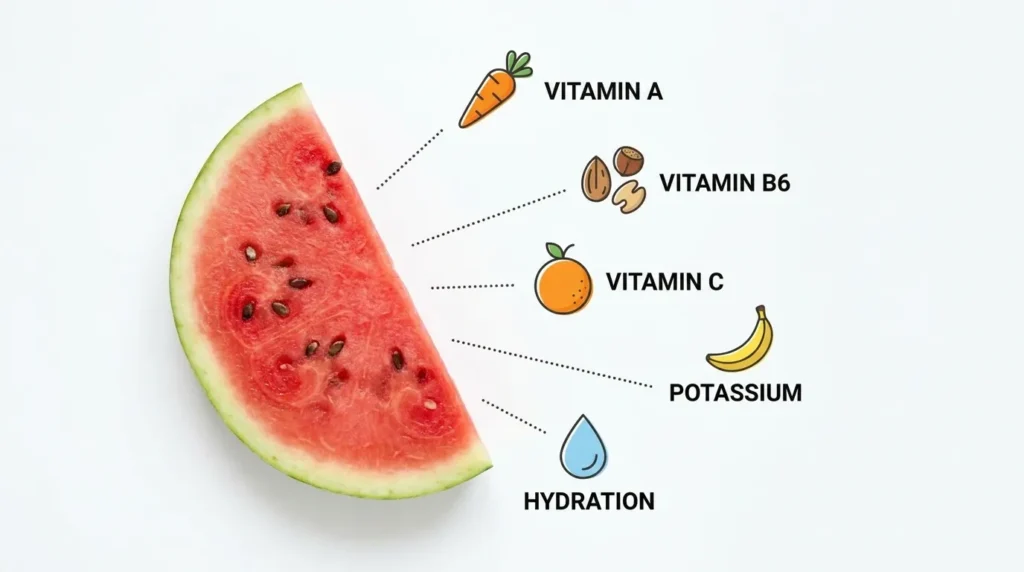
Vitamins A, B6, and C — Vitamin A supports eye health and immune function. B6 helps regulate blood sugar and supports brain chemistry. Vitamin C acts as an antioxidant that reduces inflammation.
Potassium — Supports healthy muscle function, nerve signaling, and fluid balance.
Lycopene — This is where watermelon stands out from most dog treats. Lycopene is a powerful antioxidant linked to reduced cancer risk and better cardiovascular health. No competitor article covers this, but it’s a real nutritional benefit.
Citrulline — An amino acid found almost exclusively in watermelon. It supports blood flow and may improve muscle recovery. Again, it’s not something you’ll find in commercial dog treats.
High water content — One cup of watermelon is about 92% water and contains only 50 calories. That makes it one of the most hydration-friendly snacks available, especially in summer.
Fat-free and cholesterol-free — Watermelon adds nutrition without adding the kind of fat or cholesterol that can cause long-term health problems in dogs.
When Is Watermelon Bad for Dogs?
Watermelon itself isn’t dangerous — but the wrong form or too much of it can cause problems.
Dogs with diabetes or sugar sensitivity should skip watermelon entirely. Despite being mostly water, watermelon does contain naturally occurring sugar. It’s not enormous amounts, but it’s enough to affect blood sugar in dogs that can’t regulate it properly. If your dog has diabetes, talk to your vet before introducing any fruit.
Overfeeding leads to digestive issues. Even perfectly prepared watermelon can cause diarrhea, gas, or bloating if your dog eats too much. The fruit’s high water content and fiber can overwhelm a dog’s digestive system when given in large amounts. If you notice your dog vomiting or showing signs of stomach upset, stop the watermelon and contact your vet.
Watermelon-flavored products are a no. Watermelon candy, juice, flavored drinks, and processed dog treats with artificial watermelon flavor often contain added sugars or — worse — xylitol. Xylitol is toxic to dogs, even in small amounts. Always read the ingredient label. If it lists xylitol, sweeteners, or sugar additives, don’t give it to your dog.
Dogs with weight issues need smaller portions. While 50 calories per cup sounds light, those calories still count. Treats should stay within the 10% daily caloric limit, and for small or overweight dogs, that window is tight.
Can Dogs Eat Watermelon Seeds?
No. Watermelon seeds should always be removed before feeding your dog.
Seeds contain trace amounts of cyanide compounds. A dog would need to eat a very large quantity to be seriously poisoned, but that’s not the only concern. Whole seeds can lodge in the intestinal tract and cause a blockage — especially in smaller dogs. They’re also a choking hazard.
The good news: seedless watermelon is now the standard in most grocery stores. If you’re buying watermelon specifically for your dog, seedless is the smarter choice. Even then, scan the flesh for any stray small seeds before serving.
If your dog ate a few seeds by accident, don’t panic. One or two seeds are unlikely to cause harm. If they ate a large amount or start showing signs of discomfort, call your vet.
Can Dogs Eat Watermelon Rind?
No. The rind — which includes the white inner flesh and the hard green outer skin — is off-limits for dogs.
The rind is tough and fibrous. Dogs can’t digest it properly, and it can become a choking hazard or cause a serious intestinal blockage. We’ve covered this topic in detail in our watermelon rind safety guide for dogs.
Signs of an intestinal blockage include:
- Vomiting that doesn’t stop
- Loss of appetite
- Abdominal pain or bloating
- Lethargy or weakness
- Difficulty having a bowel movement
If your dog swallowed rind and shows any of these signs, treat it as an emergency and contact your vet immediately.

How Much Watermelon Can a Dog Eat?
Treats should never make up more than 10% of your dog’s total daily calories. Watermelon counts as a treat — not a meal supplement.
Here’s a simple breakdown based on dog size:
| Dog Size | Weight Range | Max Watermelon Per Day |
|---|---|---|
| Extra Small | Under 10 lbs | 1–2 small cubes |
| Small | 10–25 lbs | 3–4 cubes |
| Medium | 25–60 lbs | A small handful (5–6 cubes) |
| Large | 60+ lbs | Up to 1 cup of cubed flesh |
Each cube should be roughly 1 inch × 1 inch × ¼ inch thick. Cut smaller for tiny dogs, and always start with less if your dog is trying watermelon for the first time.
Not sure how many total calories your dog should be getting daily? Our dog calorie calculator can help you figure that out quickly based on your dog’s breed, weight, and activity level.
Can Puppies Eat Watermelon?
Yes, but with extra caution.
Puppies have more sensitive digestive systems than adult dogs. Their guts are still developing, and even a food that’s safe for adult dogs can cause stomach upset in a pup if introduced too fast.
Start with one small piece. Watch for diarrhea, bloating, or unusual behavior over the next 12–24 hours. If nothing happens, you can offer it occasionally as a snack.
As with adult dogs: no seeds, no rind, and keep it within the 10% treat limit. Watermelon treats should not replace any portion of your puppy’s regular food.
5 Safe Ways to Serve Watermelon to Your Dog
1. Fresh Chunks Cut the flesh into 1-inch cubes, remove all seeds, and serve immediately. The simplest option.
2. Frozen Chunks Freeze seedless, rind-free cubes overnight. Serve them as a cooling treat during summer. Dogs love the texture, and it takes longer for them to eat, which slows the intake naturally.
3. Pureed Ice Cubes Blend the flesh, remove any seeds, and pour the liquid into an ice cube tray. Freeze and pop one out as a treat. Good for smaller dogs who might choke on larger chunks.
4. KONG or Lick Mat Mash or blend watermelon flesh and spread it inside a KONG toy or onto a lick mat, then freeze. This doubles as enrichment and keeps your dog occupied. You can also mix it with plain unsweetened yogurt — just make sure the yogurt contains no xylitol or added flavors.
5. Fruit Smoothie Mix Blend watermelon with other dog-safe fruits like cantaloupe, blueberries, or strawberries. Mix a small spoonful into your dog’s regular food as a topper. Keep the total amount small.
Frequently Asked Questions
Can dogs eat yellow watermelon? Yes. Yellow watermelon is safe for dogs in the same way red watermelon is. Remove seeds and rind, and serve in moderation. It contains slightly less lycopene than red watermelon but is otherwise nutritionally similar.
Is seedless watermelon safe for dogs? Yes — and it’s actually the better choice. Seedless watermelon eliminates one of the two main risks. Just remember you still need to remove the rind.
What if my dog ate watermelon rind? One small bite is unlikely to cause serious harm, but monitor your dog for the next 12–24 hours. If they ate a large piece or start vomiting, straining to go to the bathroom, or seem lethargic, call your vet right away.
Does watermelon give dogs diarrhea? It can, especially if they eat too much. The high water and fiber content in watermelon can loosen stools or cause diarrhea in dogs that aren’t used to it. Start with a small amount and increase gradually over time.
Can dogs eat watermelon every day? It’s better as an occasional treat rather than a daily one. Rotating treats keeps your dog’s diet varied and prevents any single food from becoming an imbalance. A few times per week is fine for most dogs.
Is watermelon safe for dogs with kidney disease? This one needs a vet conversation. Watermelon is high in potassium, which some dogs with kidney disease need to limit. Don’t assume it’s fine — check with your vet first.
The Bottom Line
Watermelon is one of the safer fruits you can give a dog. It’s hydrating, nutritious, low in calories, and most dogs enjoy it. The benefits are real — vitamins A, B6, and C, plus antioxidants like lycopene that you won’t find in most standard dog treats.
Just follow the two rules every time: remove the seeds, cut off the rind. Keep portions small and don’t give it to dogs with diabetes or sugar sensitivities.
If you’re curious about other fruits your dog can safely eat, check out our guide on what fruits dogs can eat — or use our pet food safety checker to quickly verify whether a specific food is safe for your dog before serving it.