


Dogs often beg for human food. Honeydew melon catches their eye with its sweet smell. Many owners wonder if this fruit is safe. This guide covers what you need to know. It draws from trusted sources to help you decide.
Is Honeydew Safe for Dogs?
Yes, dogs can eat honeydew. It is not toxic. Feed it in small amounts. Always remove the rind and seeds first. These parts can cause problems. The flesh offers some good nutrients. Check with your vet before giving new foods. This is key if your dog has health issues.
Honeydew has high water content. About 90% water. This helps keep dogs cool in summer. It also has vitamins A, B6, and C. Plus potassium and fiber. These support health in small ways. But dog food should be the main source of nutrition.
Health Benefits of Honeydew for Dogs
Honeydew provides simple perks when given right.
- Hydration help: High water makes it a fresh snack on hot days.
- Nutrient boost: Vitamins aid eyes, skin, and immune function. Potassium helps muscles and heart.
- Digestion aid: Fiber keeps bowels regular. It may ease mild constipation.
- Low calorie option: Good for dogs watching weight. Fewer calories than many treats.
These benefits come in tiny doses. Use honeydew as a rare reward, not daily food.
For more on safe foods, try our Pet Food Safety Checker. It checks items quickly.
Risks and Side Effects
Not all dogs handle honeydew well. Watch for these issues.
- Sugar levels: High natural sugar. Bad for dogs with diabetes. Can lead to weight gain.
- Stomach upset: Too much causes diarrhea or vomiting. Fiber and water overload the gut.
- Choking or blockage: Rind is tough to digest. Seeds may block intestines or cause choking.
- Allergies: Rare, but possible. Signs include itching, swelling, or breathing trouble.
Start with a small piece. Wait 24 hours. See how your dog reacts. If problems show, stop and call your vet. Use our Pet Symptom Checker for quick advice on signs.
Puppies and old dogs need extra care. Their systems are sensitive.
How to Prepare Honeydew for Your Dog
Prep keeps it safe. Follow these steps.
- Pick a ripe melon. Look for soft feel and sweet smell.
- Wash the outside. Remove dirt or chemicals.
- Cut in half. Scoop out seeds.
- Peel off rind. Throw it away.
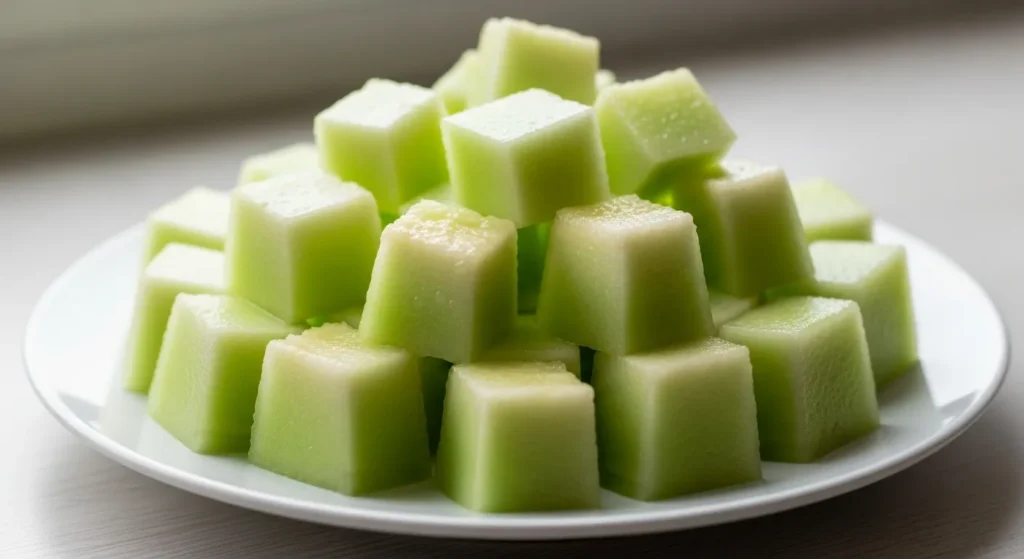
- Chop flesh into small bits. Size fits your dog’s mouth.
Serve plain. No sugar or salt. Mix with dog food or freeze for a cool bite.
How Much Honeydew Can Dogs Eat?
Keep portions small. Treats should be 10% or less of daily calories. For a 20-pound dog, one or two small cubes work. Larger dogs can have a handful.
Do not feed every day. Once or twice a week is enough. Adjust based on size and health.
If your dog eats too much by mistake, watch for upset. Contact a vet if needed.
Alternatives to Honeydew
If honeydew does not suit, try other fruits. Always prep them safely.
- Watermelon: Remove rind and seeds. High water, low calories. Read our post on is watermelon good for dogs.
- Cantaloupe: Similar to honeydew. Sweet and hydrating.
- Blueberries: Low sugar. Full of antioxidants.
- Apples: Core and seeds out. Crunchy treat.
Avoid grapes, raisins, or cherries. These harm dogs.
Check our guide on what fruits can dogs eat for more ideas.
Common Questions About Dogs and Honeydew
Here are answers to frequent searches.
Can Dogs Eat Honeydew Rind?
No. It causes choking or gut blocks. Always remove it.
Can Puppies Eat Honeydew?
Yes, but in tiny amounts. Their stomachs are delicate. Wait until they are older.
What If My Dog Eats Seeds?
Seeds may cause upset or blockage. Call your vet if many are eaten.
Is Honeydew Better Than Other Melons?
It is similar to cantaloupe or watermelon. All need moderation.
Can Diabetic Dogs Have Honeydew?
No. High sugar spikes blood levels. Skip it.
For breed tips, take our Pet Breed Finder Quiz.
This info is current as of September 2025. Facts come from vet sources. Always double-check with pros for your dog’s needs.