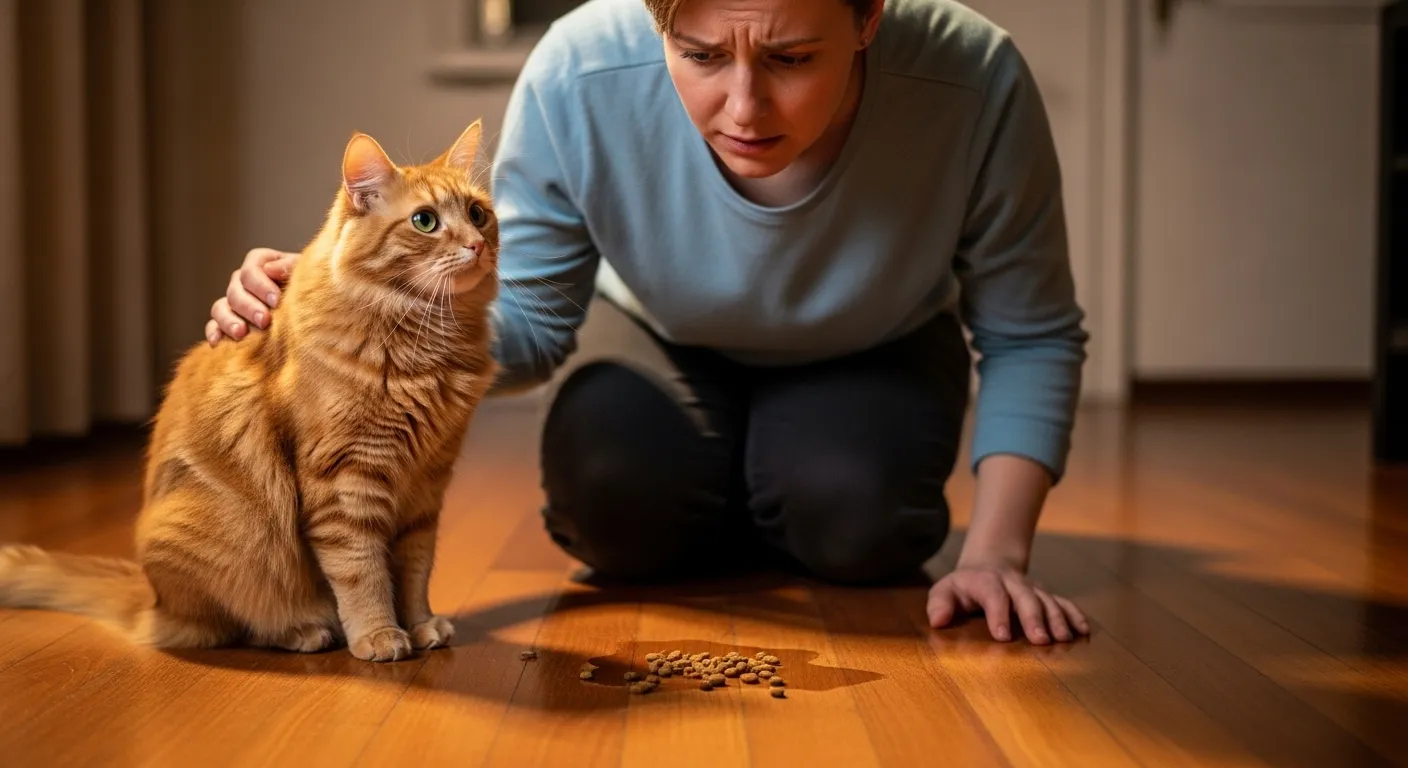

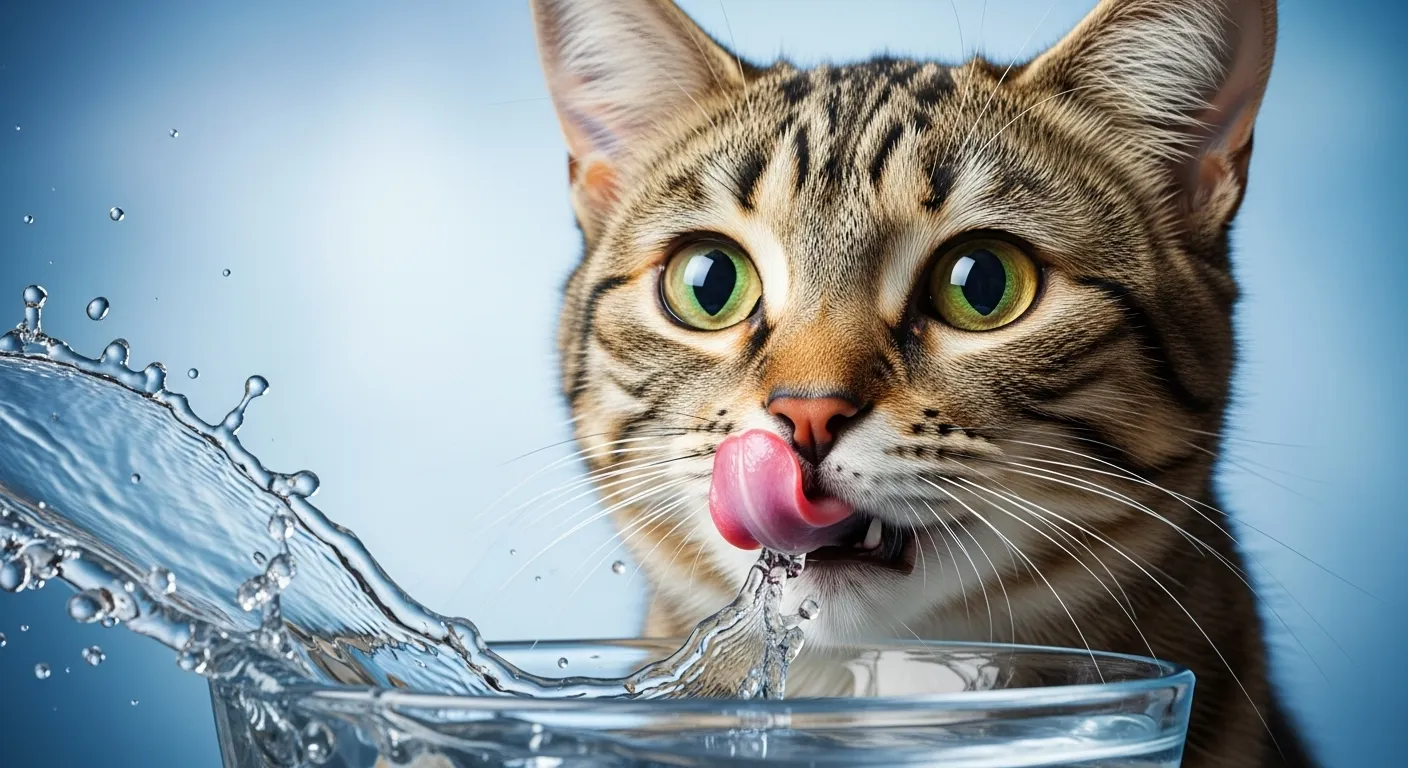
Cats need water to stay healthy. Many owners worry if they do not see their cat drink often. This guide covers how long cats can last without water. It also explains signs of trouble and ways to help. Keep reading to learn more.
Water Needs for Cats
A healthy adult cat weighs about 10 pounds. Such a cat should take in around 8 ounces of water each day. This equals about one cup. The amount varies by diet. Wet food has up to 80% water. Cats on wet food may drink less from bowls. Dry food has only 10% water. Those cats must drink more to make up for it.
Kittens need more water per pound. They grow fast and lose fluids easily. Older cats or those with health issues like kidney problems may need extra too. Hot weather raises needs as well. Watch your cat’s habits. Changes can signal problems.
Time a Cat Can Last Without Water
Cats come from desert animals. They handle low water better than dogs. But they still face risks fast. A cat shows dehydration signs after 24 hours without water. Most healthy adults last 3 to 4 days at most. After that, organs fail.
Kittens dehydrate quicker. They may struggle after 12 hours. Sick cats or those with diabetes do too. Vomiting or diarrhea speeds up the process. Never test limits. Always provide fresh water.
If your cat skips water for a day, check for issues. Link to our pet symptom checker to spot early signs. For food-related concerns, see our post on how long can cats go without eating.
Signs Your Cat Lacks Water
Dehydration harms cats fast. Look for these clues:
- Dry or sticky gums. Healthy ones feel wet.
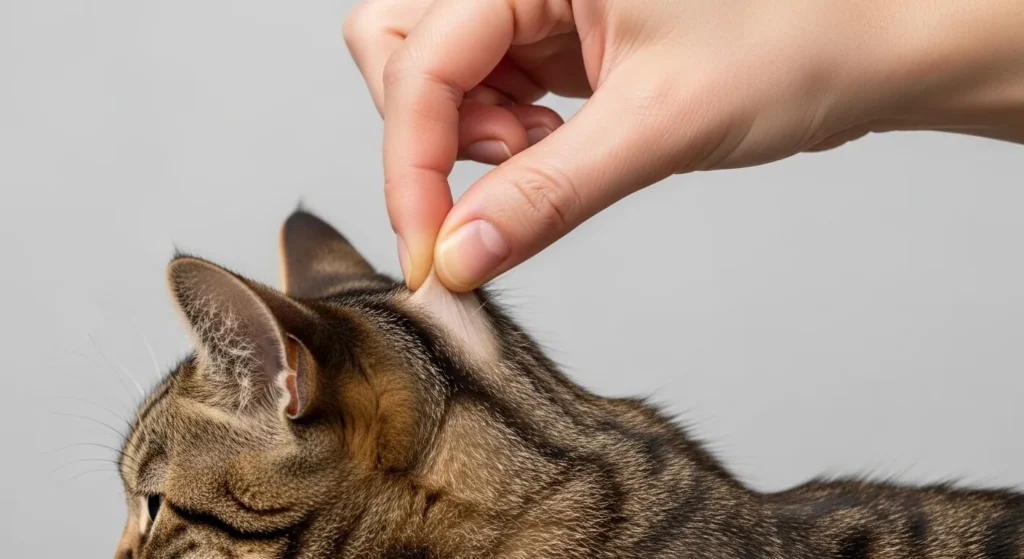
- Skin test: Pinch skin on the neck. It should snap back right away. If it stays up, that’s bad.
- Sunken eyes.
- Less energy or play.
- Fast heartbeat.
- Dark urine or less peeing.
- Panting or more drool.
If you see these, call a vet now. Use our pet symptom checker for quick help. Early action saves lives.
Reasons Cats Skip Water
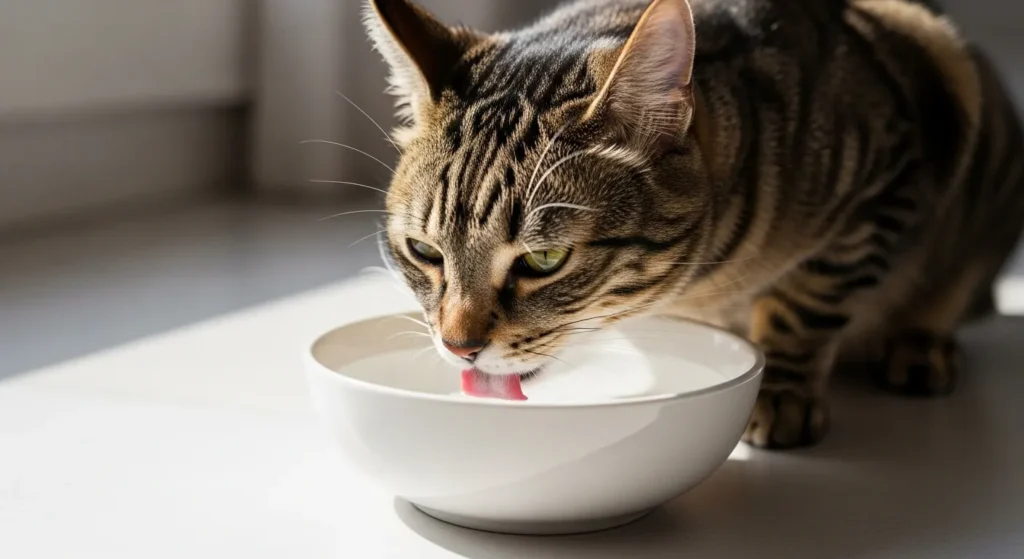
Cats may avoid drinking for simple reasons. Dirty bowls turn them off. Wash them daily. Pain from teeth or illness makes it hard. Stress from changes at home plays a role too.
Some prefer running water. Others hate bowls near food or litter. Dry diets lower intake since food lacks moisture. Check these first if your cat drinks less.
For health ties, read about why your cat may have dandruff. Dry skin links to low water.
Ways to Get Your Cat to Drink More
Help your cat stay hydrated with these steps:
Switch to Wet Food
Wet food adds water naturally. Mix it in slowly. This works well for picky cats. See our guide on can cats eat watermelon for high-water treats.
Use Better Bowls
Place bowls in quiet spots. Keep them away from food. Try wide, shallow ones. Metal or ceramic beats plastic.
Add a Fountain
Many cats like moving water. A fountain keeps it fresh. Clean it weekly.
Flavor the Water
Add a bit of tuna juice or broth. Use low-salt kinds. This draws them in.
Multiple Spots
Set up bowls around the house. More choices mean more drinks.
Test these one by one. What works for one cat may not for another.
When to See a Vet
Do not wait if signs show. Vets can give fluids under the skin. This fixes mild cases fast. For severe ones, they use IVs.
Track intake if your cat has ongoing issues. Conditions like kidney disease need regular checks. Link to external info from Cornell Feline Health Center for more on cat health.
Common Questions
How much water does a cat need daily?
About 4 ounces per 5 pounds of weight. Adjust for diet and health.
What if my cat goes 3 days without water?
This risks organ damage. Seek vet care right away.
Can milk replace water?
No. Most cats lack the enzyme for milk. It causes upset. Stick to water.
Why does my cat drink from the tap?
They like fresh, cool flow. A fountain mimics this.
For names that fit hydrated cats, try our pet name generator.
Keep water clean and available. Your cat will thank you with good health. If worries persist, talk to a vet.