
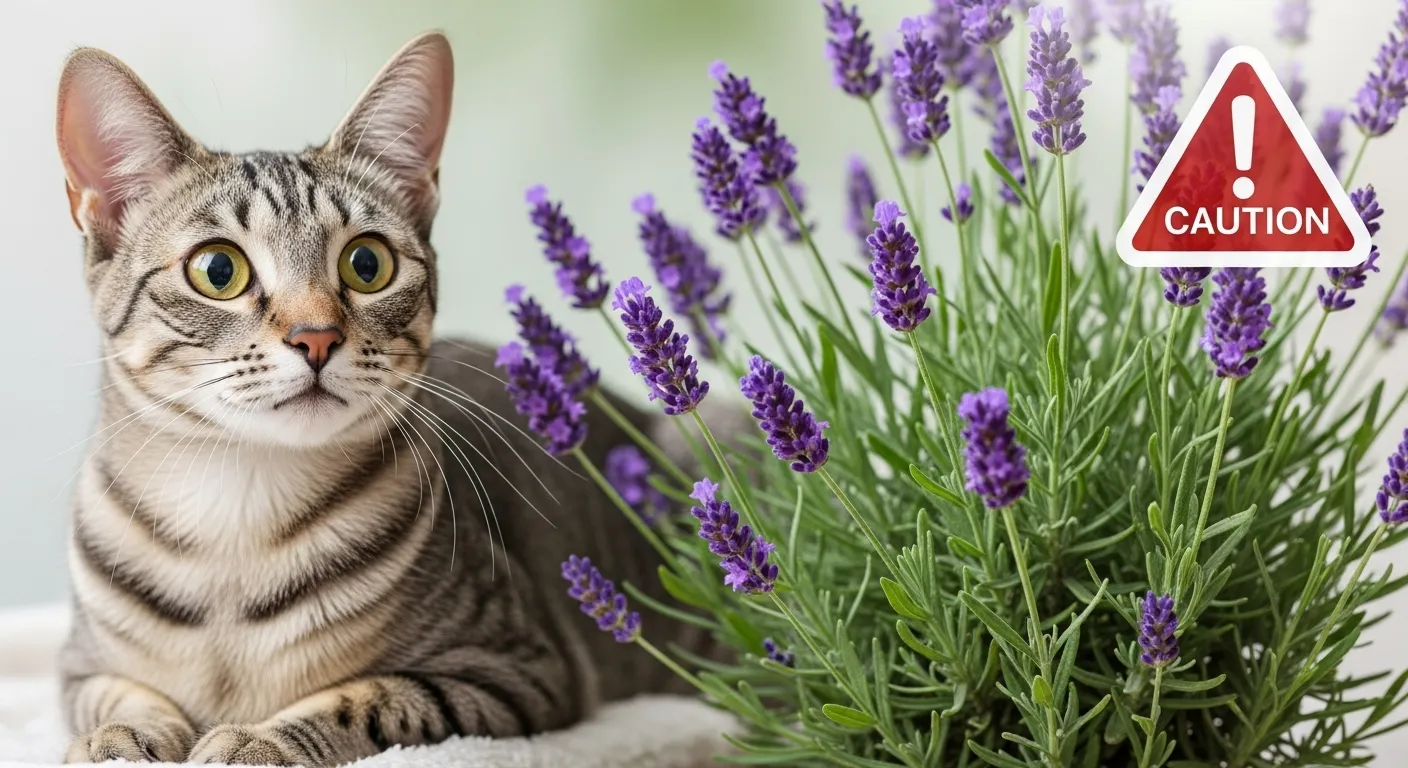
Lavender is a popular plant known for its calming scent and beautiful purple flowers. Many people use it in gardens, essential oils, or candles. But is lavender safe for cats? This question is common among pet owners who want to keep their feline friends safe. Unfortunately, lavender can be toxic to cats in certain forms and amounts. This guide explains the risks, symptoms, and precautions to ensure your cat’s safety. We’ll also suggest safer alternatives for a pet-friendly home.
Why Is Lavender Toxic to Cats?
Lavender contains two compounds, linalool and linalyl acetate, which are harmful to cats. Cats lack the liver enzymes needed to process these substances. This can lead to toxicity if cats ingest or inhale lavender, especially in concentrated forms like essential oils. According to the ASPCA, lavender plants and products can cause health issues in cats, ranging from mild to severe, depending on exposure.
How Cats Are Exposed to Lavender
Cats can come into contact with lavender in several ways:
- Ingestion: Eating lavender plants, dried lavender, or products like potpourri.
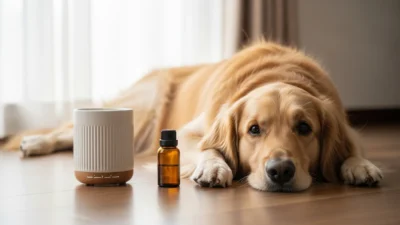
- Inhalation: Breathing in lavender essential oil from diffusers or sprays.
- Skin Contact: Touching lavender oil or products, which cats may then ingest while grooming.
Risks of Lavender for Cats
The level of danger depends on the form of lavender and the amount of exposure. Here’s a breakdown of the risks associated with different types of lavender.
Lavender Plants
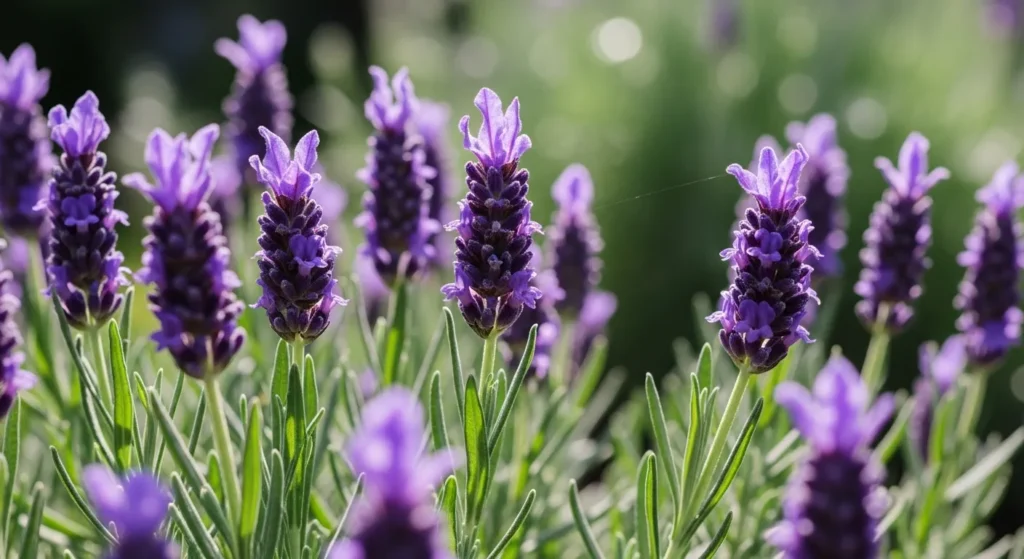
Fresh or dried lavender plants are mildly toxic. If a cat eats a small amount, it may only experience mild stomach upset, like vomiting or diarrhea. However, eating large amounts can lead to more serious issues, such as liver damage. Most cats won’t eat enough to cause severe harm, but it’s best to keep plants out of reach.
Lavender Essential Oils
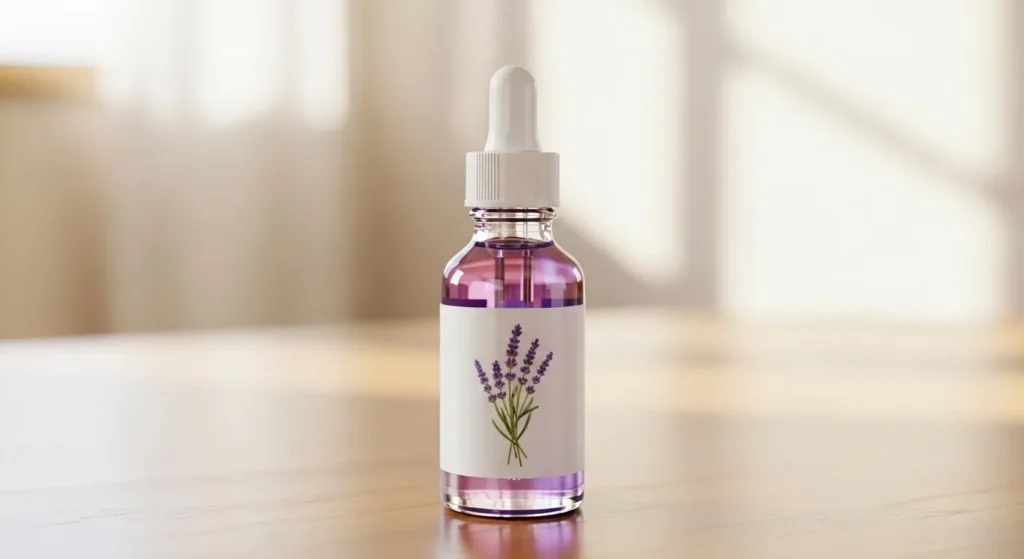
Lavender essential oil is highly concentrated and poses the greatest risk. It can be absorbed through the skin, inhaled, or ingested when cats groom themselves. Even small amounts can cause severe symptoms, including respiratory distress, neurological issues, or liver damage. Diffusers and sprays are especially risky because they release tiny oil particles into the air that cats can inhale or get on their fur.
Lavender in Products
Products like candles, soaps, or air fresheners may contain lavender oil or scent. These are less potent than pure essential oils but can still cause issues if cats are exposed repeatedly. For example, a lavender-scented candle might irritate a cat’s respiratory system, especially if they have asthma.
Symptoms of Lavender Poisoning in Cats
If your cat is exposed to lavender, watch for these signs of toxicity:
- Vomiting or diarrhea
- Drooling or nausea
- Lethargy or weakness
- Loss of appetite
- Difficulty breathing or wheezing
- Skin redness or irritation
- Tremors or seizures
- Disorientation or unusual behavior
If you notice any of these symptoms, contact your veterinarian immediately or call the ASPCA Animal Poison Control Center at (888) 426-4435. Quick action can prevent serious harm.
If you’re unsure about your cat’s symptoms, try our Pet Symptom Checker to assess their condition and decide if a vet visit is needed.
What to Do if Your Cat Is Exposed to Lavender
If you suspect your cat has ingested or been exposed to lavender, follow these steps:
- Remove the Source: Move your cat away from the lavender plant, oil, or product.
- Don’t Induce Vomiting: Essential oils can harm the digestive tract if vomited. Avoid this unless instructed by a vet.
- Contact a Vet: Call your veterinarian or an emergency clinic for advice. Bring any lavender product or plant material to the vet for examination.
- Monitor Your Cat: Watch for symptoms like vomiting, lethargy, or breathing issues. Note when the exposure happened and how much lavender was involved.
Veterinary treatment may include IV fluids, anti-nausea medication, or supportive care to help your cat recover.
How to Keep Your Cat Safe from Lavender
To protect your cat, take these precautions:
- Keep Plants Out of Reach: Place lavender plants in areas your cat can’t access, like high shelves or fenced-off garden spots.
- Avoid Essential Oils: Do not use lavender essential oil diffusers, sprays, or topical products in your home.
- Store Products Safely: Keep lavender-scented candles, soaps, or potpourri in sealed containers or rooms your cat doesn’t enter.
- Check Product Labels: Avoid pet products with lavender unless they are specifically labeled as safe for cats by a veterinarian.
- Monitor Behavior: Watch how your cat interacts with plants or scented items to prevent accidental exposure.
Learn more about other toxic plants in our article on Are Carnations Toxic to Cats? or Are Poinsettias Poisonous to Cats?.
Safer Alternatives to Lavender for Cat Owners
If you love the calming effects of lavender but want to keep your cat safe, try these pet-friendly alternatives:
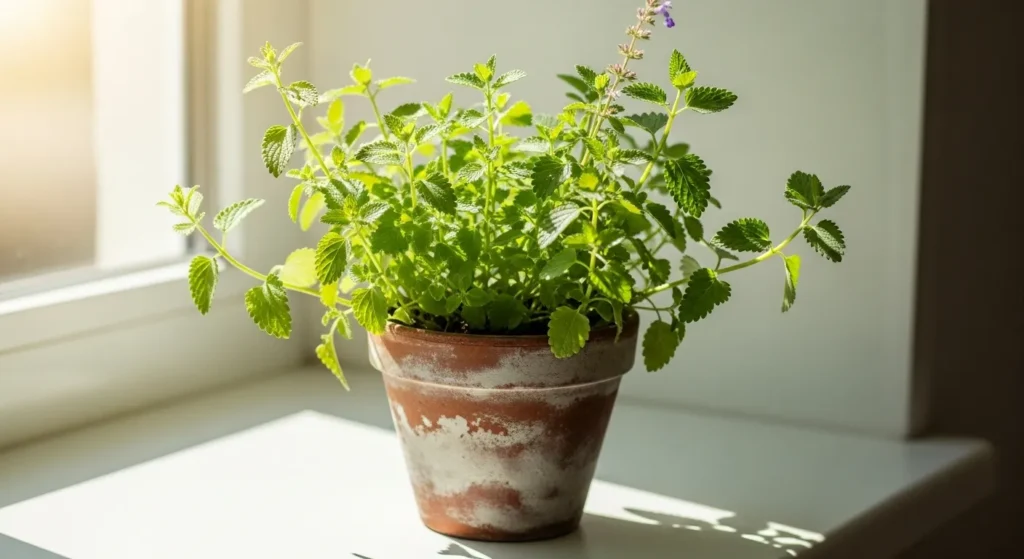
- Catnip: Safe and enjoyable for most cats, catnip can promote relaxation or playfulness. Learn more in our guide on What Does Catnip Do to Cats?.
- Pheromone Diffusers: Products like Feliway mimic calming cat pheromones and are safe for feline use.
- Chamomile: In small, vet-approved amounts, chamomile can be calming and is safer than lavender.
- Soy or Beeswax Candles: Choose unscented or pet-safe scented candles made from natural ingredients like soy or beeswax.
Common Questions About Lavender and Cats
Do Cats Like the Smell of Lavender?
Some cats may be curious about lavender’s scent, while others avoid it. There’s no evidence that lavender has calming effects on cats, unlike humans. In fact, the smell can irritate their sensitive noses or cause respiratory issues.
Is Dried Lavender Safe for Cats?
Dried lavender is less potent than essential oils but still poses risks if ingested. It can cause mild stomach upset or, in large amounts, more serious symptoms. Keep dried lavender out of reach.
Can I Use Lavender Candles Around Cats?
Lavender candles are less risky than diffusers but can still cause problems. The scent particles may settle on surfaces or irritate a cat’s respiratory system. Opt for pet-safe candles instead.
Are There Safe Lavender Products for Cats?
Some products, like those from Meowijuana, use minimal dried lavender in cat-safe blends. Always consult your vet before using any lavender product with your cat.
Curious about other safe foods or plants for your cat? Check out What Fruits Can Cats Eat? or Are Spider Plants Toxic to Cats?.
Key Takeaways
- Lavender, especially essential oils, is toxic to cats due to linalool and linalyl acetate.
- Exposure can cause vomiting, lethargy, breathing issues, or liver damage.
- Keep lavender plants, oils, and products out of your cat’s reach.
- Use pet-safe alternatives like catnip or pheromone diffusers.
- If your cat shows signs of poisoning, contact a vet immediately.
For more information on toxic plants, visit the ASPCA’s Toxic and Non-Toxic Plants List.
Final Thoughts
Lavender may be soothing for humans, but it’s not safe for cats. By understanding the risks and taking simple precautions, you can keep your feline friend healthy and happy. Always prioritize pet-safe products and consult your veterinarian if you’re unsure about a plant or product. Want to find the perfect pet for your home? Try our Pet Compatibility Checker to make informed choices.
If you’re introducing a new cat to your home, read our guide on How to Introduce a Cat to a Dog for a smooth transition.