
Many people see a dog’s wagging tail and think it means the animal is content. But this action holds more layers than that. Dogs use their tails to send signals to others, including people and fellow canines. This article looks at the reasons behind it, backed by research.
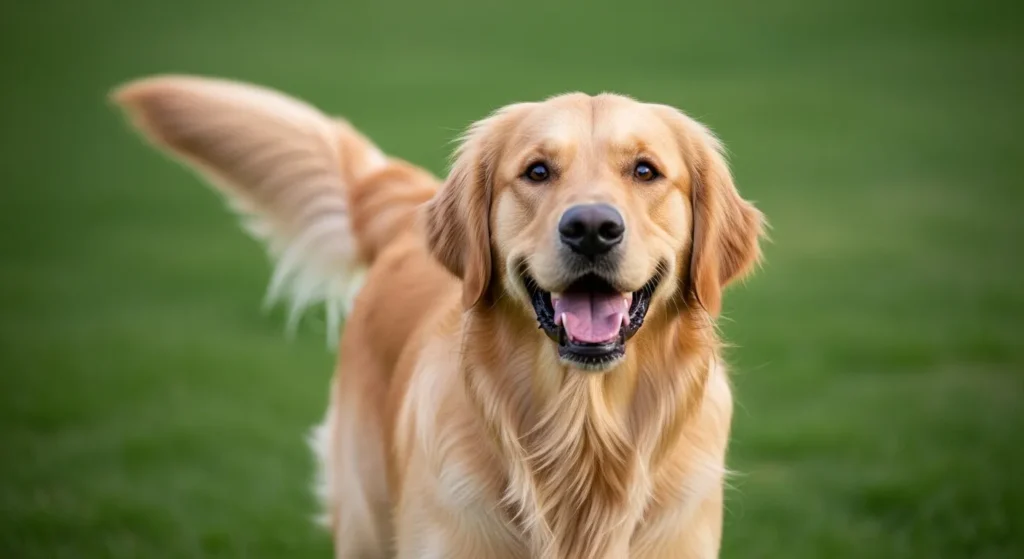
The Role of Tails in Canine Life
Tails help dogs in several ways. At first, they aided in movement, keeping balance, and keeping insects away. Over time, in household pets, tails became tools for sharing feelings.
Dogs mainly wag tails to talk, not for other tasks like swimming or fending off flies. This sets them apart from wild relatives, where such motion happens less often.
How Tail Wagging Works
The brain tells muscles in the tail to move when a dog senses something around it. This response ties to the nervous system reacting to sights, sounds, or smells.
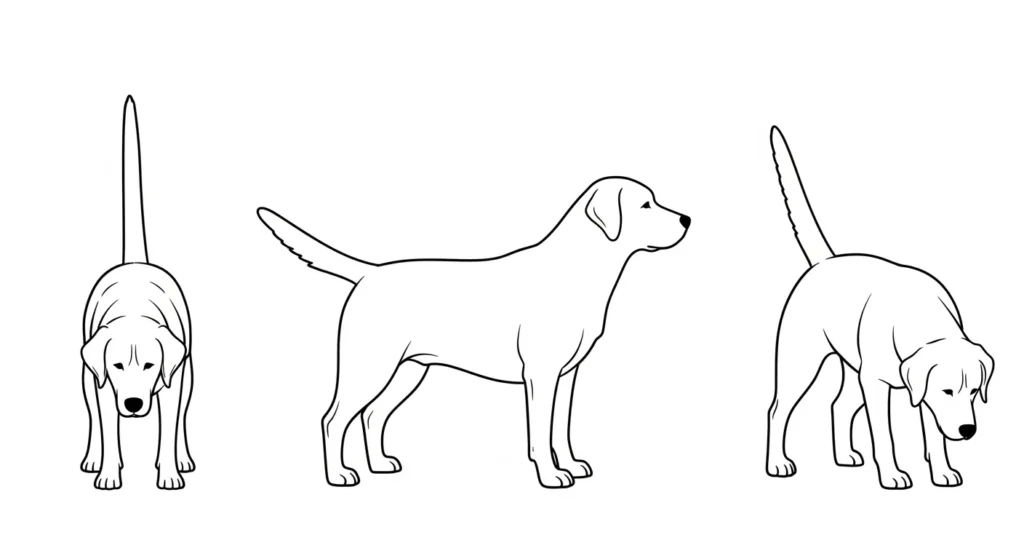
Position and speed of the wag matter a lot. A high tail shows confidence. A middle level suggests a neutral mood. A tucked tail points to feeling small or scared.
- Quick wags often mean high energy or thrill.
- Slow ones can show uncertainty.
- A full circle wag signals great delight.
Direction counts too. Wags to the right link to calm states, while left ones tie to worry.
What Different Wags Mean
A wag does not always equal joy. It shows a reaction to the world, which could be positive or not.
Loose, wide swings tend to be friendly. Stiff, short ones might warn of tension or challenge. Always check the whole body, like ears and posture, for the full message.
Wagging can signal readiness to connect, but context decides if it’s welcoming or wary. If you notice odd changes in how your dog wags its tail, consider using a pet symptom checker to spot potential health concerns.
When Puppies Start Wagging
Young dogs do not wag right after birth. It begins around three to four weeks in some breeds, or later at one to two months.
They learn this as part of picking up social cues, much like kids learn words. To track your puppy’s growth stages better, try our pet age calculator. For details on when dogs reach full size, see this guide on when dogs stop growing.

Evolution and Human Influence
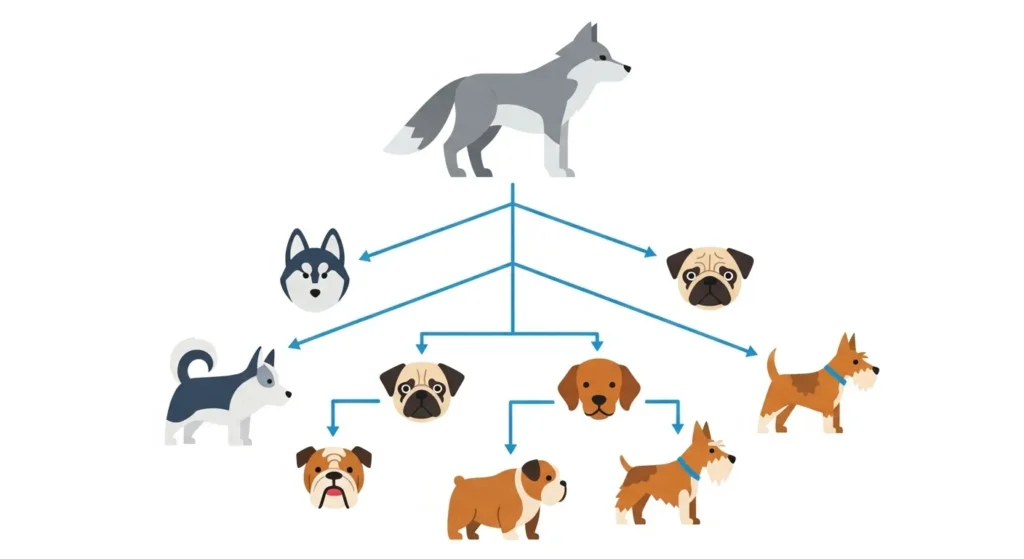
Tails in ancestors helped with pack bonds. In tamed dogs, wagging grew more common.
One idea is that it came as a side effect from choosing calm traits during bonding with humans. Another view is people picked dogs that wagged more, drawn to the steady motion.
This behavior marks a key part of how dogs fit into human lives. Different breeds may show variations in tail use, so if you’re choosing a pet, take our pet breed finder quiz.
Final Thoughts
Tail wagging offers a window into a dog’s mind. It goes beyond simple cheer. By noting details like height, pace, and side, owners can better grasp their pet’s needs. This knowledge strengthens the tie between humans and dogs.
For more on canine actions, learn why dogs chase their tails or why dogs howl. You might also find tips on how to train your dog helpful for better communication.