
Dogs eat strange things. Sticks, socks, the occasional houseplant. But dirt? That one stops most owners cold.
If you’ve caught your dog actively chewing or swallowing soil, you’re not alone — and you’re right to look into it. Dirt eating can be completely harmless. It can also be a sign that something is off, nutritionally or medically. The key is knowing which situation you’re dealing with.
Here’s everything you need to know.
What Is Geophagia in Dogs?
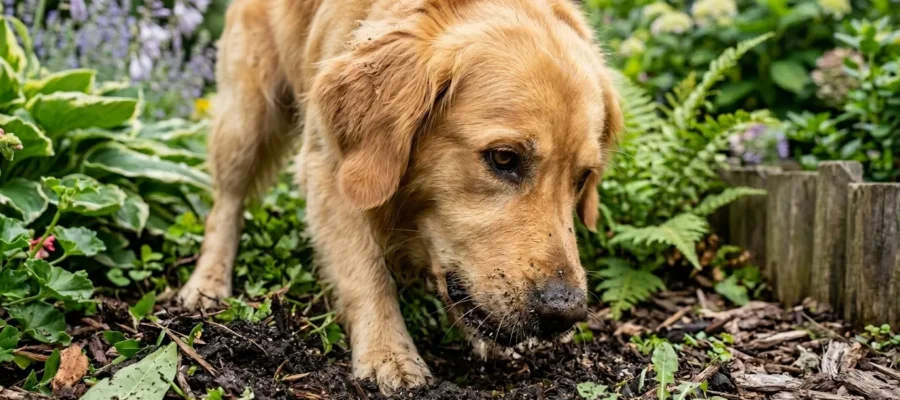
Geophagia is the deliberate eating of dirt, soil, or mud. It falls under a broader condition called pica — an eating disorder where dogs consume non-food items like rocks, grass, paper, or fabric. Not every dog that mouths the ground has geophagia. Dogs that occasionally lick soil while sniffing around are usually fine. The concern is a dog that actively seeks out and swallows dirt, repeatedly.
Interestingly, dirt eating isn’t the only unusual thing dogs consume. If your dog also eats grass regularly, the two behaviors are often connected — both can signal GI discomfort or boredom, and both are worth addressing together.
3 Reasons Dogs Eat Dirt
1. Nutritional Deficiencies
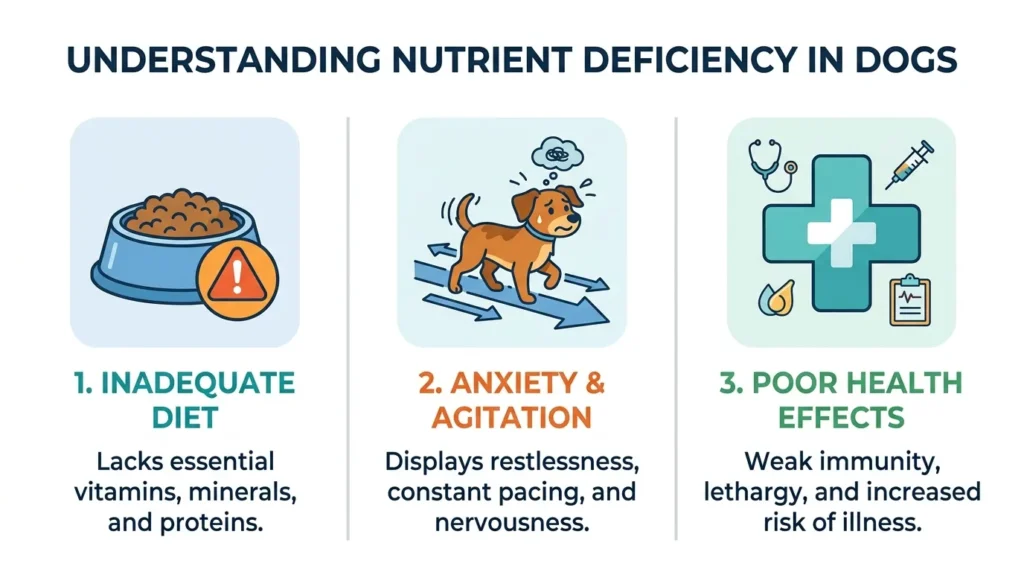
Soil contains trace minerals. When a dog’s diet is missing something, their body sometimes pushes them toward unconventional sources.
The most commonly implicated deficiencies are iron, calcium, sodium, and zinc. Iron deficiency is particularly linked to dirt eating — dogs with low iron levels may instinctively seek it out from the ground. Calcium and phosphorus imbalances, more common in homemade or unbalanced diets, can trigger similar behavior. Sodium deficiency is less common but has been documented in dogs eating heavily restricted or homemade diets without proper supplementation.
Underfed dogs will also eat dirt. If a dog isn’t getting enough calories, they may fill the gap with whatever’s available — including soil. This connects to a broader question owners often overlook: how much exercise does a dog need daily — because a dog burning more energy than they’re consuming will scavenge to compensate.
Foods that follow WSAVA (World Small Animal Veterinary Association) nutritional guidelines and are produced by manufacturers with full-time veterinary nutritionists on staff are the safest choice. A dog on a raw diet or homemade meal plan without professional formulation is at higher risk of mineral gaps that could trigger geophagia.
2. Behavioral Causes
Sometimes there’s no nutritional deficiency. The dog is just bored, anxious, or has accidentally learned that eating dirt gets a reaction.
Boredom is the most common behavioral trigger. Dogs that don’t get enough exercise or mental stimulation find ways to self-entertain. Digging and eating dirt provides sensory feedback — smell, texture, taste — that keeps their brain occupied. High-energy breeds like Border Collies, Huskies, and Belgian Malinois are especially prone to this when under-exercised.
Anxiety is another major factor. Dogs with separation anxiety may eat dirt (or anything else within reach) when stressed. Some do it during thunderstorms or after major household changes — similar patterns show up in dogs that bite their owners out of frustration or redirected anxiety. Over time, the behavior can become compulsive — meaning the dog repeats it even when the original stressor is gone. If your dog panics during bad weather, check out these tips on calming a dog during a storm.
Learned behavior plays a role too. If your dog ate dirt once and you reacted loudly — yelling, running over, making a fuss — they may repeat it just to get that engagement. Negative attention is still attention. Some dogs will eat dirt specifically because it triggers interaction.
3. Medical Conditions
If the behavior is new, frequent, or comes with other symptoms, a medical cause needs to be ruled out. Several conditions are directly linked to dirt eating.
Anemia
Anemia — a low red blood cell count — is one of the most well-documented medical triggers for geophagia. When red blood cells drop, the body becomes iron-starved. Dogs may instinctively try to compensate by consuming iron-containing soil.
Anemia in dogs has multiple causes: hookworm infection, flea infestation, tick-borne disease, immune-mediated hemolytic anemia, cancer, or chronic blood loss. Puppies are especially vulnerable to hookworms, which they can contract through their mother’s milk. Pale or white gums are a key warning sign of anemia — check your dog’s gums if you’re concerned. You can also use the pet symptom checker to help evaluate what you’re seeing before calling your vet.
Gastrointestinal Upset and Gastritis
Dogs with nausea, stomach inflammation, or chronic GI irritation sometimes eat dirt and grass in an attempt to induce vomiting or coat the stomach lining. It doesn’t actually work, but the instinct is there. If your dog is eating dirt and also vomiting frequently, has loose stools, or seems uncomfortable after meals, GI disease — including inflammatory bowel disease (IBD) — could be the underlying issue. Dogs with chronic diarrhea tied to GI conditions also show this behavior — see our guide on why your dog has diarrhea for more context.
Portosystemic (Liver) Shunt
A portosystemic shunt is an abnormal blood vessel that allows blood to bypass the liver. The liver doesn’t receive proper blood flow, so it can’t filter toxins effectively. This is more common in certain breeds — Yorkshire Terriers, Maltese, and Pugs among those with higher genetic risk. Dogs with liver shunts often show other signs: stunted growth in puppies, confusion, circling, excessive drooling after meals, and unusual cravings including dirt eating. Diagnosis requires a bile acid test and abdominal imaging.
Exocrine Pancreatic Insufficiency (EPI)
EPI is consistently missing from most articles on this topic — and it’s a real cause. The pancreas produces digestive enzymes that break down food. In dogs with EPI, those enzymes are severely reduced or absent. Food passes through without being properly digested, leading to chronic nutrient starvation despite regular eating. Dogs with EPI often lose weight rapidly, have voluminous pale or greasy stools, and may eat dirt, feces, or other non-food items to compensate. German Shepherds are at particularly elevated risk. EPI is diagnosed with a TLI (trypsin-like immunoreactivity) blood test.
Intestinal Parasites
Hookworms, roundworms, whipworms, and Giardia can disrupt nutrient absorption and cause GI discomfort. A heavy parasite burden leaves dogs nutritionally depleted even when eating a complete diet. If your dog eats dirt and also has a bloated belly, diarrhea, or visible weight loss, a fecal test should be on your vet visit list. Understanding how dogs get heartworm is also relevant here — the same parasite prevention habits that block heartworm also reduce exposure to soil-dwelling intestinal parasites.
What Is My Dog Lacking When It Eats Dirt?
When dirt eating is nutritionally driven, the most likely deficiencies are:
- Iron — linked to anemia and low red blood cell production
- Calcium — especially in dogs on unbalanced homemade diets
- Sodium — seen in dogs on heavily restricted or unsupplemented diets
- Zinc — involved in immune function and skin health; deficiency more common in Huskies and Malamutes
It’s also possible the dog isn’t deficient in a specific mineral but is simply underfed. Most adult dogs should eat twice daily. Dogs under 10 pounds typically do better with 3 to 4 smaller meals spread through the day to maintain stable blood sugar and reduce hunger-driven scavenging. For a broader look at what’s safe and appropriate to feed your dog, the pet food safety checker is a useful starting point.
Is Eating Dirt Bad for Dogs? Risks You Should Know
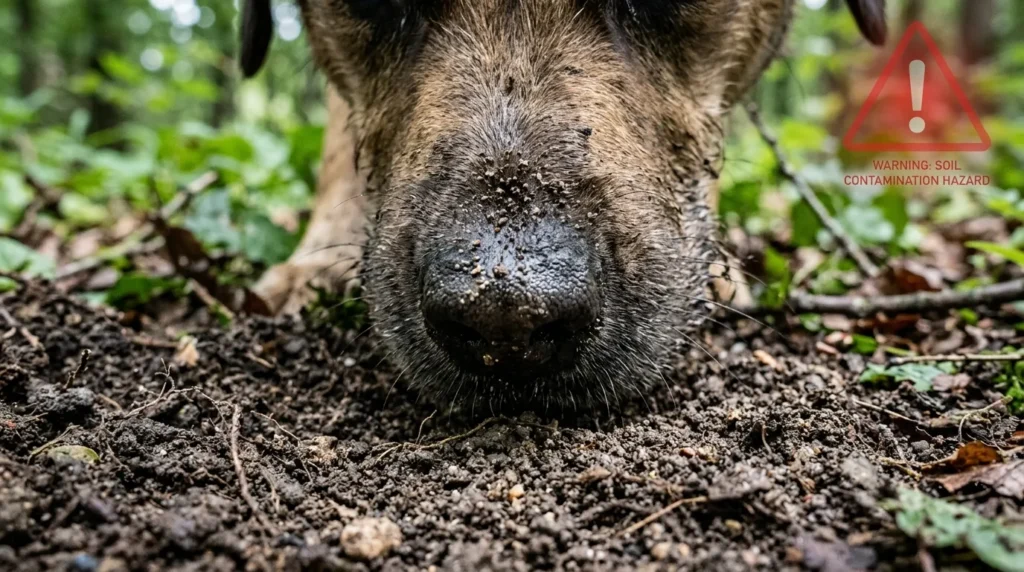
A dog that licks soil once is probably fine. A dog that regularly eats handfuls of dirt is at real risk.
Toxins and Pesticides
Soil absorbs whatever is applied to it — fertilizers, herbicides, pesticides, rodenticides. Even if your own yard is clean, a neighbor’s yard or a public park may not be. Ingesting contaminated soil can cause vomiting, tremors, seizures, or organ damage depending on the substance. If your dog eats dirt from a treated lawn, call the ASPCA Animal Poison Control Center at (888) 426-4435 or the Pet Poison Helpline at (855) 764-7661 immediately. This is the same protocol recommended when a dog ingests any toxic substance — similar to what you’d do if they ate something dangerous indoors. Knowing how to make a dog throw up safely can also be relevant in a poisoning situation, but always call poison control first before inducing vomiting.
Gastrointestinal Obstruction
Rocks, sticks, and compacted soil clumps mixed in with dirt can get lodged in the esophagus, stomach, or intestines. A full obstruction is a surgical emergency. Signs include repeated vomiting (especially within minutes of eating), abdominal swelling, visible pain, and complete loss of appetite. A dog’s stomach typically empties within 2 hours — if you saw your dog ingest something solid, that’s your window to act before obstruction risk rises significantly.
Parasites in Soil
Soil carries parasites. Hookworm larvae live in warm, moist dirt and can be swallowed directly. Roundworm eggs survive in soil for years. Giardia cysts contaminate soil near water sources. Capillaria, a lesser-known soil-dwelling parasite, can infect the respiratory and urinary tract. Any dog regularly eating dirt faces elevated exposure to all of these. This is also connected to why dogs eat poop — another form of pica with overlapping parasite risks that we cover in detail in why dogs eat poop.
Tooth and GI Tract Damage
Grit, sand, and small rocks cause abrasion. Over time, chewing dirt wears down tooth enamel. Hard objects fracture teeth — broken carnassial teeth are painful and expensive to treat. Keeping up with brushing your dog’s teeth regularly makes it easier to spot early wear or damage from foreign material.
When to Call the Vet
Occasional soil licking doesn’t require a vet call. The following situations do.
Warning Symptoms
Call your vet if your dog shows any of these:
- Eating dirt frequently or starting suddenly with no prior history
- Pale, white, or grayish gums
- Significant weight loss over days or weeks
- Vomiting multiple times within 24 hours, especially right after eating or drinking
- Diarrhea that’s bloody, greasy, or unusually pale
- Bloated or hard abdomen
- Lethargy or sudden drop in energy
- Decreased or absent appetite
- Straining to defecate or no bowel movements for over 24 hours
- Excessive panting at rest with no clear cause
- Unexplained shaking or trembling
Diagnostic Tests Your Vet May Run
Your vet will start with a physical exam and a history of the behavior — when it started, how often, and what the dog’s diet looks like. Common diagnostics include:
- CBC (complete blood count) — checks for anemia
- Chemistry panel — assesses liver and kidney function
- Urinalysis — urate crystals can indicate a liver shunt
- Bile acid test — evaluates liver function, used to diagnose portosystemic shunts
- TLI test — screens for exocrine pancreatic insufficiency
- Fecal float and fecal antigen test — detects intestinal parasites
- Abdominal ultrasound — checks for masses, shunts, and GI wall changes
- Food trial — rules out food allergy or IBD
How to Stop Your Dog From Eating Dirt

There’s no single fix. The right approach depends on the cause. But these strategies work for most dogs.
Upgrade the Diet
Feed a complete, balanced food that meets WSAVA nutritional standards. If you’re using a homemade diet, have it reviewed by a board-certified veterinary nutritionist. Not sure what your dog can and can’t eat? The pet food safety checker helps you quickly verify whether specific foods are safe. For owners curious about expanding their dog’s diet with whole foods, guides like what vegetables dogs can eat and what fruits dogs can eat are good starting points for safe supplementation.
Supervise Outdoor Time
Keep your dog on a leash when outside until the behavior stops. You’ll be right there to redirect before soil ends up in their mouth. For dogs that are fast or persistent, a basket muzzle allows them to breathe and pant normally while physically preventing them from eating dirt or foreign objects. Need help with training basics? Our guide on how to train your dog walks through the foundational commands — including “leave it” — that make outdoor supervision much more effective.
Reduce Boredom and Anxiety
30 to 60 minutes of daily exercise reduces behavioral dirt eating significantly in most dogs. Add mental stimulation on top — puzzle feeders, Kong toys filled with food, sniff work, and training sessions all engage the brain. For dogs with diagnosed anxiety, our guide on how to calm a dog during a storm covers techniques that also apply to general anxiety management. For severe cases, talk to your vet about behavior modification and whether medication is appropriate.
Block Dirt Access
Fence off garden beds. Supervise backyard time. Remove indoor potted plants from reach — potting soil is just as tempting as outdoor dirt for many dogs. If your dog has a specific patch of yard they keep returning to, cover it with rocks, pavers, or raised planters. Reducing access is the simplest prevention.
Stay Current on Parasite Prevention
Keep your dog on year-round heartworm prevention and a vet-recommended flea and tick preventative — both require a prescription. Understanding how dogs get heartworm explains exactly why skipping prevention months is risky, especially for dirt-eating dogs with elevated soil exposure. Annual fecal testing catches intestinal parasites that prevention doesn’t always stop.
FAQ — Dogs Eating Dirt
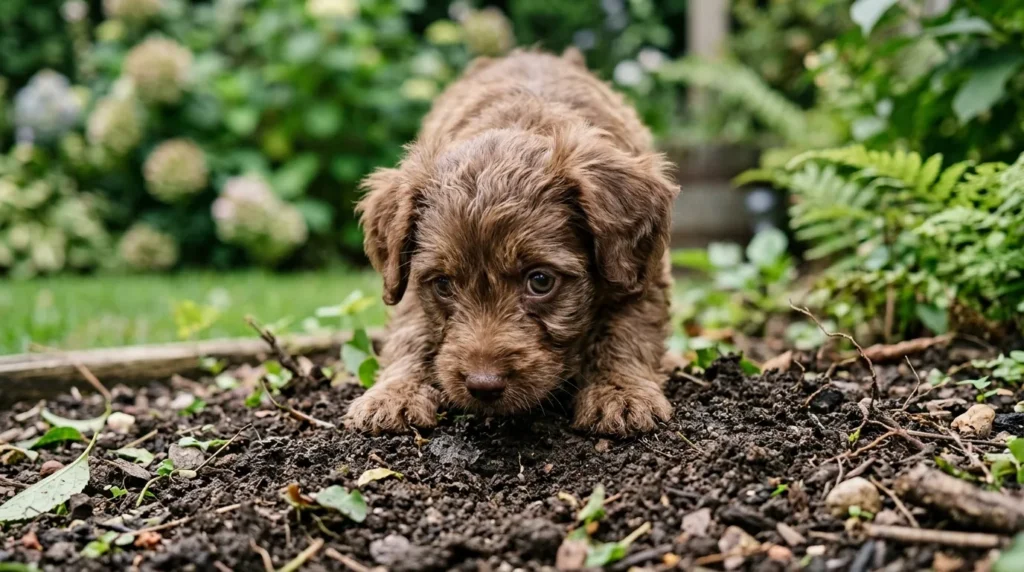
Is it normal for dogs to eat dirt?
It’s common, but it’s not something to ignore. Occasional soil mouthing while sniffing is usually harmless. Actively and repeatedly eating dirt signals something worth investigating — whether that’s a dietary gap, a behavioral issue, or an underlying medical condition. Use the pet symptom checker if you’re unsure whether what you’re seeing warrants a vet call.
Why does my puppy eat dirt?
Puppies explore the world with their mouths. Some dirt eating in puppies is pure curiosity. But puppies are also at higher risk for hookworms (contracted through mother’s milk), nutritional deficiencies on low-quality puppy food, and habit formation. If a puppy regularly eats dirt, get a fecal test done and evaluate their food. Knowing when dogs stop growing also helps — nutritional demands are highest during active growth phases, which is exactly when deficiency-driven dirt eating is most likely.
Why is my dog suddenly eating dirt?
Sudden onset is more concerning than a long-standing habit. If a dog with no prior history starts eating dirt, rule out a new medical problem first. Sudden dirt eating can indicate new-onset anemia, GI disease, parasites, or organ dysfunction. Don’t wait it out — call your vet within a few days of noticing it.
Why does my dog eat dirt and grass?
Dogs often pair the two. Grass eating is frequently tied to stomach upset — dogs chew it to trigger vomiting and relieve nausea. We cover this in depth in why dogs eat grass. If your dog is eating both grass and dirt together, GI discomfort is the most likely explanation. Track how often it happens and whether vomiting follows.
Bottom Line
Most dogs that eat dirt aren’t doing it randomly. There’s usually a reason — a gap in their diet, a gap in their day, or something happening in their body that a vet needs to find.
Start with diet and exercise. If the behavior is new, frequent, or comes with any of the warning symptoms above, call your vet. The sooner you identify what’s driving it, the easier it is to stop.
Not sure where to start? The pet symptom checker can help you organize what you’re seeing before you pick up the phone.