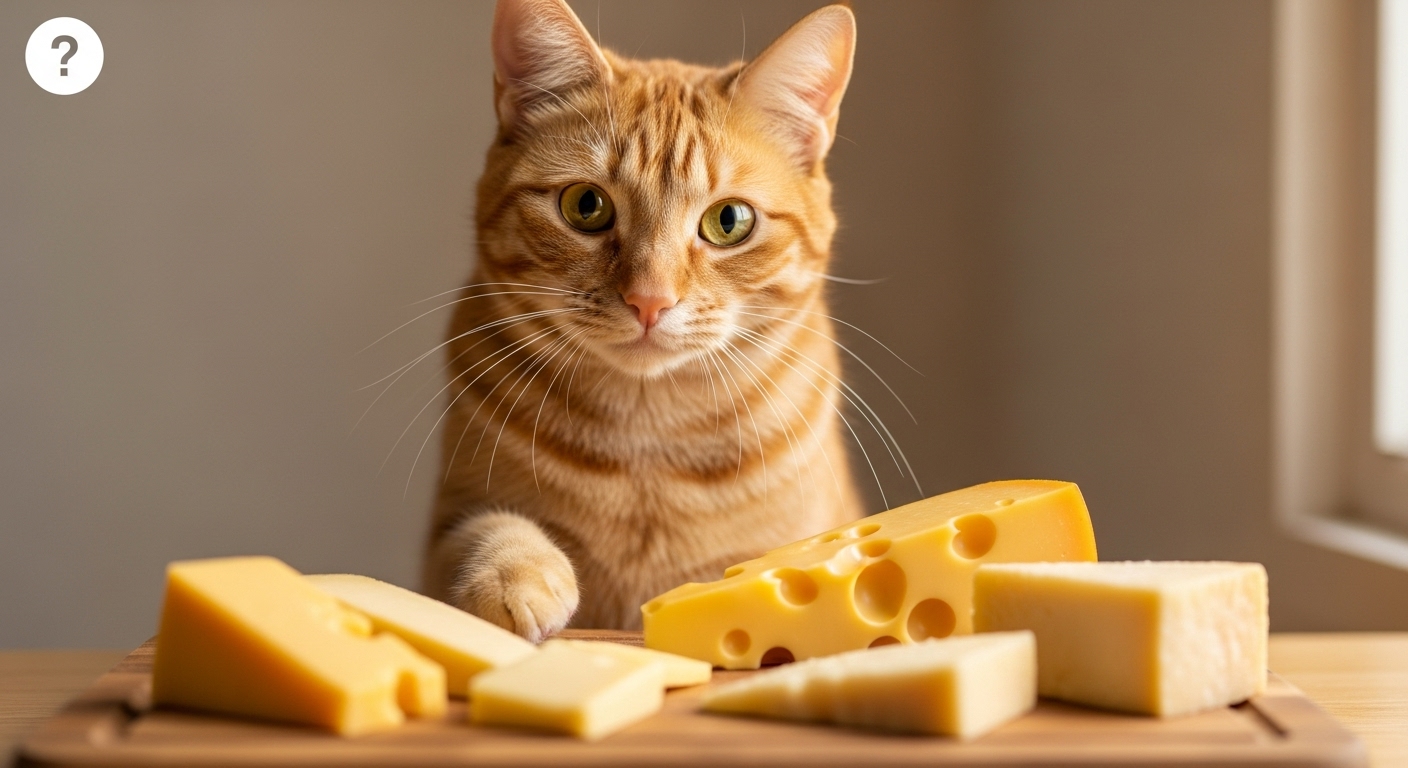
Your cat sits beside you, watching intently as you slice cheese for your sandwich. Those pleading eyes make you wonder: can cats eat cheese safely? The short answer is yes, but with important conditions. According to experts, cats can eat cheese but only in moderation.
Most cats are lactose intolerant, which means cheese can cause digestive upset. However, small amounts of certain cheeses might be okay for some cats. This guide covers everything you need to know about feeding cheese to your feline friend.
The Truth About Cats and Dairy Products
Are Cats Lactose Intolerant?
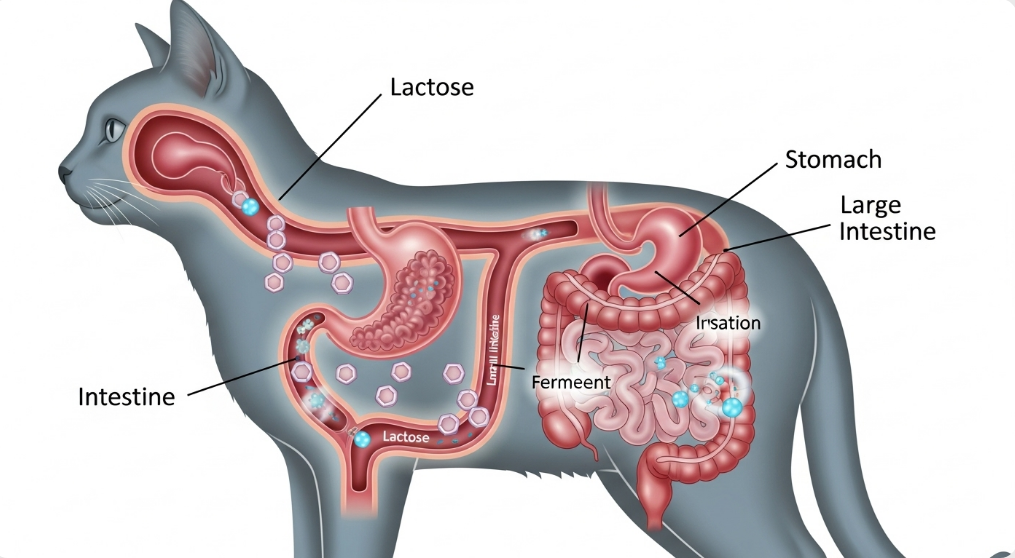
The general genetic makeup of cats is what causes an intolerance to lactose. Milk is not a natural food for adult cats. Here’s what happens in your cat’s digestive system:
- Cats lose the ability to produce lactase (the enzyme that breaks down lactose) after weaning
- Without enough lactase, lactose ferments in the intestines
- This fermentation creates fatty acids that cause digestive problems
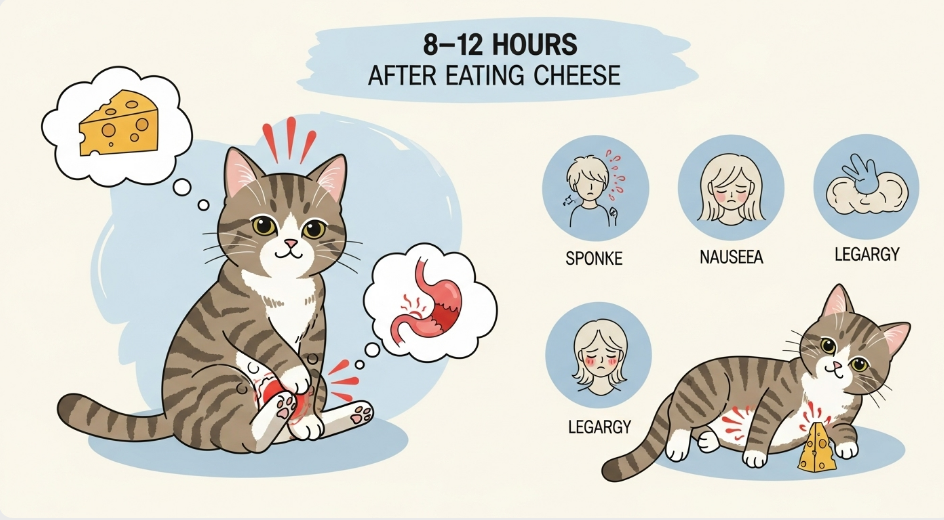
Stomach cramps, general upset, diarrhea, vomiting, and more are the side effects between cats and milk that appear between 8-12 hours later.
Signs Your Cat Is Lactose Intolerant
Watch for these symptoms after your cat eats cheese or dairy:
- Diarrhea (most common)
- Vomiting
- Stomach upset and pain
- Gas and bloating
- Loss of appetite
- Lethargy
The results are stomach upset, gas, cramping, bloating and diarrhea usually within eight to 12 hours of ingesting the dairy product.
Can Cats Eat Cheese Safely?
The Short Answer
Most healthy cats who eat a small amount of cheese of any variety will be fine, aside from perhaps a bit of gastrointestinal upset. The key words here are “small amount” and “healthy cats.”
Safe Serving Size
If you give your cat cheese at all, just give them a small piece once in a while, about the size of a dice. This tiny portion minimizes the risk of digestive upset while still allowing your cat to enjoy the taste.
When Cheese Might Be Acceptable
Veterinarians sometimes recommend cheese in specific situations:
- Hiding medication pills
- Occasional training treats
- Special occasions (very rarely)
Learn more about safe cat treats in our guide on what foods cats can and cannot eat.
Types of Cheese for Cats
Safer Cheese Options
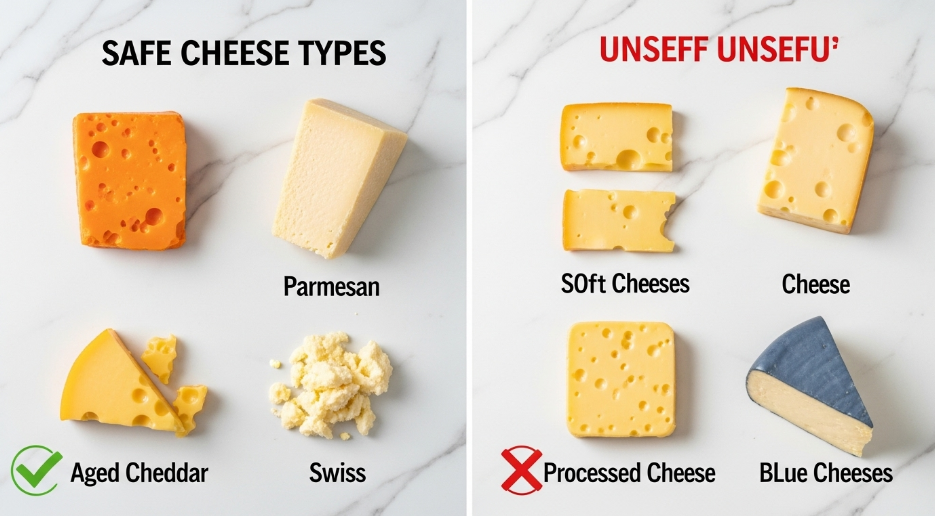
If you decide to give your cat cheese, these types are generally better tolerated:
Hard, aged cheeses (lower lactose content):
- Cheddar (aged)
- Parmesan
- Swiss
- Gouda
Plain, low-sodium varieties are best
Cheeses to Avoid
All types of cheese, including cheddar, parmesan, brie, feta, mozzarella and blue cheese, are not healthy for cats. However, some are particularly dangerous:
Never give your cat:
- Blue cheese (toxic mold)
- Soft cheeses high in lactose (brie, camembert)
- Processed cheese (high sodium)
- Cheese with herbs or garlic
- Moldy or spoiled cheese
Lactose-Free Cheese: Still Not Ideal
Also avoid giving your cat any lactose-free or plant-based cheese. These products often contain:
- Artificial additives
- High sodium levels
- Oils that can upset cat stomachs
- Ingredients cats don’t need
Health Risks of Feeding Cheese to Cats
Immediate Health Concerns
Digestive upset: Most cats cannot digest dairy products which means eating milk, cream or cheese could quickly lead to digestive issues such as diarrhea, constipation, or vomiting.
High sodium content: Most cheeses contain too much salt for cats, potentially leading to:
- Dehydration
- Kidney problems
- High blood pressure
Long-Term Health Issues
Regular cheese consumption can cause:
- Weight gain and obesity
- Nutritional imbalances
- Increased risk of diabetes
- Kidney strain
When to Call Your Veterinarian
Emergency Signs
Contact your vet immediately if your cat shows:
- Severe vomiting (cannot keep water down)
- Blood in stool or vomit
- Extreme lethargy
- Signs of dehydration
- Difficulty breathing
Regular Monitoring
If you notice your kitty isn’t feeling well, her appetite is reduced, or she’s vomiting and/or has diarrhea, call your veterinarian.
But if your kitty is feeling sick for longer than 24 hours, is vomiting to the point where they cannot keep down water, or is particularly lethargic, seek veterinary care.
Better Treat Alternatives for Cats
Cat-Safe Snacks
Instead of cheese, try these healthier options:
- Small pieces of cooked chicken
- Commercial cat treats
- Freeze-dried meat treats
- Small amounts of cooked fish
Homemade Cat Treats
Make your own cat-friendly snacks using:
- Cooked chicken or turkey
- Canned tuna (in water, not oil)
- Cooked egg (small amounts)
For more safe food options, check out our guide on whether cats can eat peanut butter.
Nutritional Needs of Cats
Obligate Carnivores
Cats are a type of meat-eating animal called an obligate carnivore. This means they get most of their nutritional needs met by eating meat, and their digestive system is especially suited for processing animal proteins.
Cats need:
- High-quality protein from meat
- Taurine (essential amino acid)
- Arachidonic acid (fatty acid)
- Vitamin A (from animal sources)
Why Cheese Isn’t Necessary
Cheese has no real health benefits for cats. Your cat’s nutritional needs are best met through:
- High-quality commercial cat food
- Species-appropriate treats
- Fresh water
How to Introduce Cheese Safely (If You Choose To)
Testing Your Cat’s Tolerance
If you want to test whether your cat can handle cheese:
- Start tiny: Give less than a dice-sized piece
- Monitor closely: Watch for 12-24 hours
- Note symptoms: Record any digestive upset
- Stop immediately: If any negative symptoms appear
Safe Feeding Guidelines
- Never make cheese a regular treat
- Only give plain, aged varieties
- Avoid any cheese with additives
- Don’t exceed dice-sized portions
- Space out cheese treats by weeks, not days
What Veterinarians Recommend
Professional Opinion
Cheese is not a good snack for cats and the same principle applies for other dairy products like milk and yoghurt.
Not all cats are lactose intolerant, some can process milk just fine. However, we still don’t recommend feeding your cat dairy products, especially not in excessive amounts.
Best Practices
Veterinary professionals suggest:
- Stick to cat-specific treats
- Use cheese only for medication if absolutely necessary
- Focus on species-appropriate nutrition
- Consult your vet before introducing new foods
Frequently Asked Questions
Can kittens eat cheese?
No, kittens should never eat cheese. Their digestive systems are even more sensitive than adult cats.
Is cottage cheese safer for cats?
Cottage cheese contains less lactose but is still not recommended due to high sodium content and potential digestive upset.
What about string cheese?
String cheese is processed and often contains additives, making it unsuitable for cats.
Can cats eat cream cheese?
No, cream cheese is high in fat and lactose, making it particularly problematic for cats.
How long do cheese-related symptoms last?
Side effects between cats and milk appear between 8-12 hours later and typically resolve within 24-48 hours if no more dairy is consumed.
Is there such thing as cat cheese?
While some companies make “cat milk,” there’s no widely available cat-specific cheese. It’s better to stick to proper cat treats.
Treatment for Lactose Intolerance
Home Care
If your cat does get diarrhoea as a result of eating dairy, feed them small, bland, frequent meals. This could include boiled chicken or white fish.
Recovery Steps
- Remove all dairy from diet immediately
- Provide fresh water for hydration
- Offer bland, easily digestible food
- Monitor symptoms closely
- Contact vet if symptoms worsen or persist
For more information about cat health and behavior, read our article on why cats knead.
The Bottom Line on Cats and Cheese
While cats can technically eat small amounts of certain cheeses without immediate danger, it’s not recommended as a regular treat. Cats do not need dairy to have a nutritionally complete or balanced diet, especially since they are obligate carnivores.
The safest approach is to skip cheese entirely and choose cat-specific treats that support your feline’s health. If you do decide to give your cat cheese, keep portions tiny, choose aged varieties, and monitor closely for any adverse reactions.
Remember, when in doubt, consult your veterinarian about the best diet and treats for your individual cat’s needs.