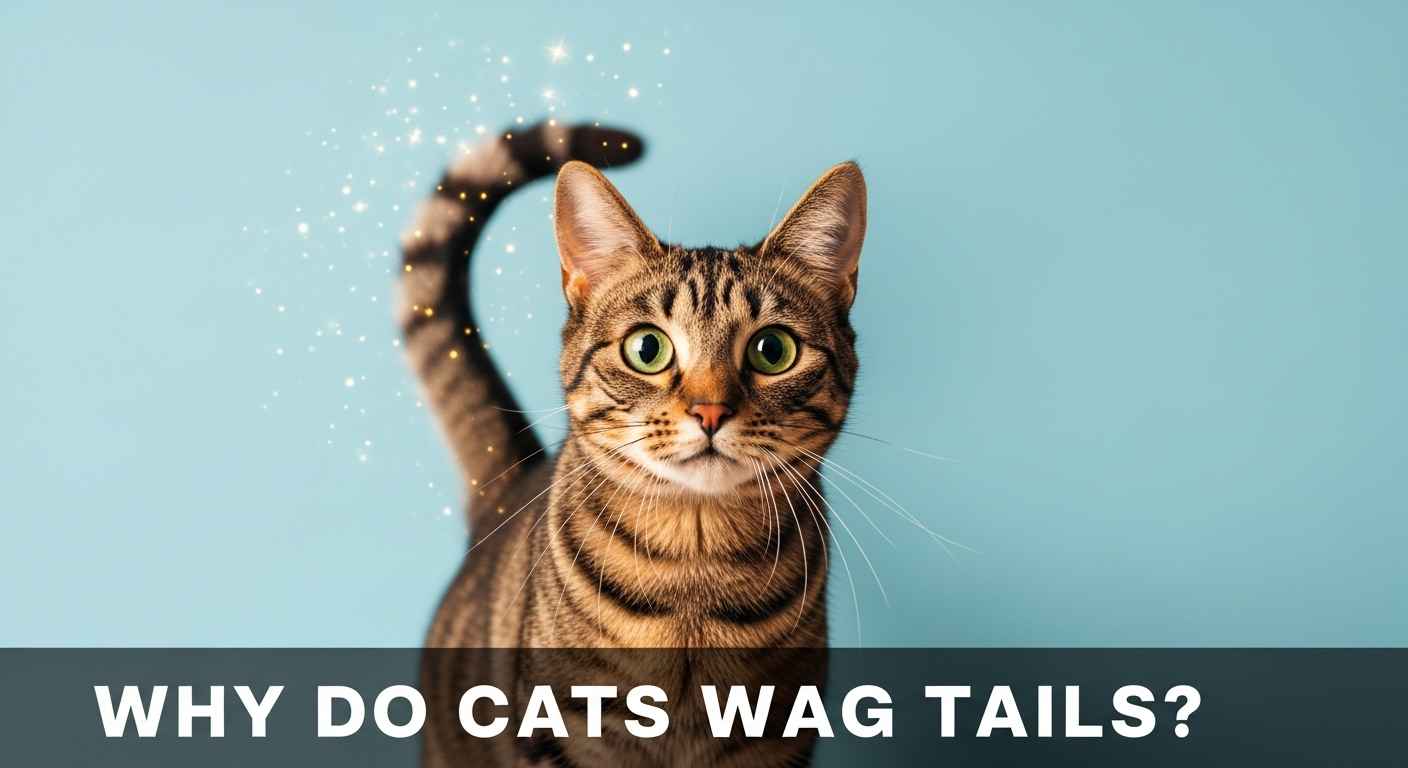
Cats use their tails to show feelings. Tail wags mean different things. This guide explains common reasons. It helps you read your cat better. Learn when your cat feels happy, upset, or ready to play.
What Tail Wags Tell You About Your Cat
Cats move their tails to talk without words. A wag is not always like a dog’s happy swing. It can show joy, fear, or anger. Pay attention to how the tail moves. Look at the speed and position. Check the cat’s ears and eyes too.
- Slow, gentle swings often mean the cat feels calm.
- Fast, hard swings can show the cat is mad.
- A high tail with a small shake means the cat is glad to see you.
Cats wag tails for many reasons. These include greeting you or marking spots. Understand this to bond with your cat.
Common Reasons Cats Wag Their Tails
Cats wag tails to share moods. Here are key reasons based on how the tail moves.
Happy and Relaxed
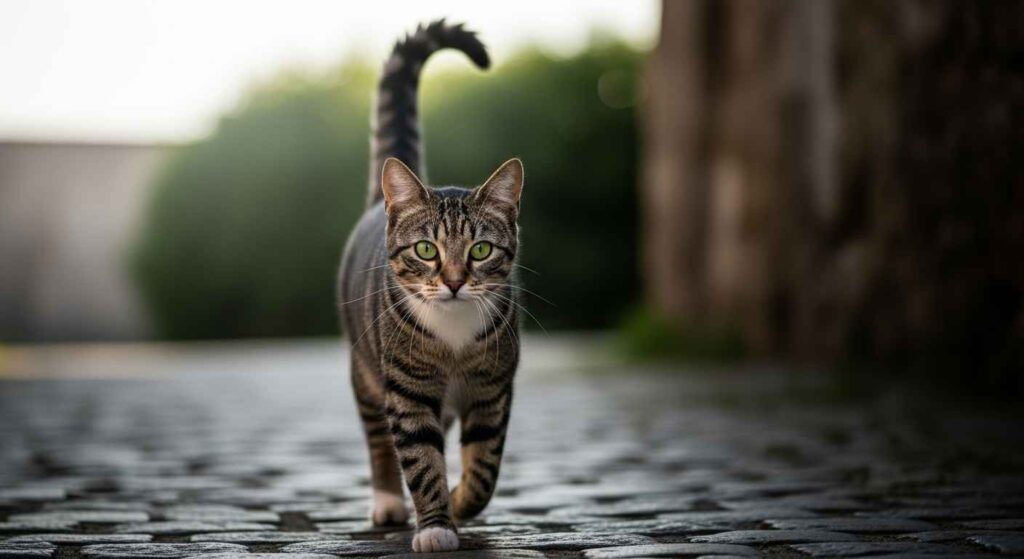
A cat wags its tail softly when content. The tail stays high. It may curve at the end like a hook. This shows trust. Your cat wants pets or play.
If your cat purrs and wags slowly while you pet it, it feels safe. Stop if the wag gets faster. It might mean too much touch.
For more on cat bonds, read our post on why does my cat lick me.
Annoyed or Angry
Fast tail swings mean trouble. The tail thumps the ground or whips side to side. This says “leave me alone.” It happens when the cat feels bothered.
A low tail with quick wags shows fear or anger. Ears back and wide eyes add to the sign. Give space. Do not pet.
If this happens often, check for health issues. Use our pet symptom checker to spot problems.
Excited or Playful
A quivering tail means thrill. The tail stands straight and shakes. This occurs when the cat sees you or a toy. It can also mean the cat marks its area.
During play, the tail twitches at the tip. The cat focuses on “prey” like a string. This wag helps balance.
Try our pet compatibility checker if you add a playmate.
Focused on Hunting
Cats twitch tails before a jump. The tail sways to help aim. This happens with birds or bugs. It shows sharp focus.
Even indoors, cats hunt toys this way. A slow swish builds to a pounce.
Scared or in Pain
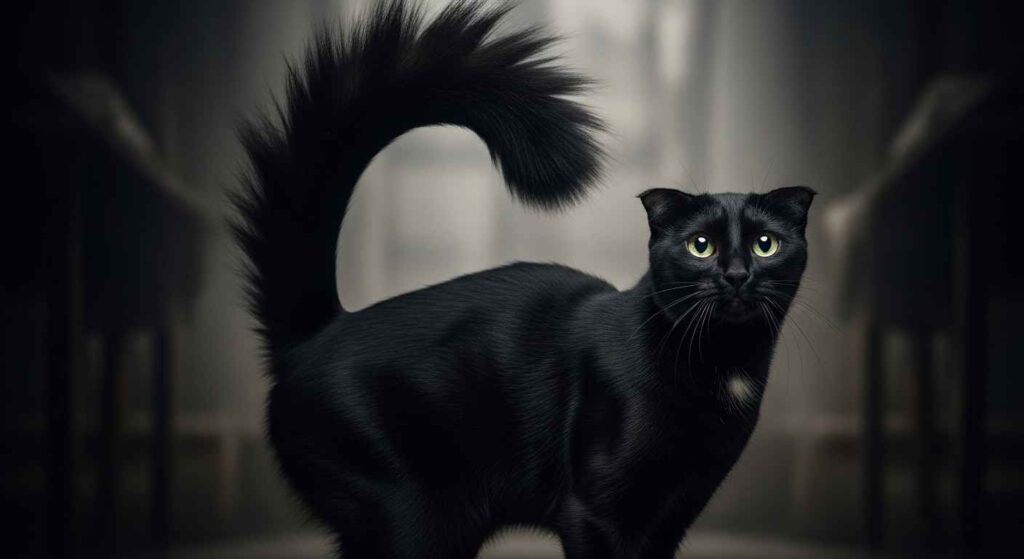
A puffed tail looks big and bushy. This makes the cat seem larger to threats. It wags low. The cat may arch its back.
Tail tucked between legs means deep fear or hurt. If the cat wags while lying down and acts odd, see a vet. It could signal pain.
Learn about cat health in our guide on why does my cat have dandruff.
While Lying Down or Sleeping
Cats wag tails on the ground when half awake. It can mean mild bother or dreams. A soft thump shows rest but alert.
If the wag is slow and the cat purrs, it feels good. Hard thumps mean stop touching.
How to Respond to Your Cat’s Tail Wags
Act on what the tail says. This keeps your cat calm.
- High, slow wag: Pet gently on the head or chin.
- Fast, low wag: Step back. Let the cat relax.
- Quiver: Offer a toy or food.
- Puffed tail: Remove the scare. Speak soft.
Watch the whole body. Ears forward mean good mood. Ears flat mean stress.
If wags change suddenly, check for illness. Visit a vet. For facts on cat care.
Tail Wags and Other Cat Behaviors
Tail wags link to other acts. A cat that follows you may wag high to greet. Read our post on why does my cat follow me everywhere.
Kneading with a soft wag shows joy. See why do cats knead.
Meowing a lot with tail swings? Check why is my cat meowing so much.
When to Worry About Tail Wags
Most wags are normal. But some need attention.
- Constant fast wags: Could mean stress or pain.
- No wag at all: Might show sickness.
- Tail limp: Injury possible.
Use our pet age calculator to track health by age.
For food tips, see if cats can eat bananas.
Tips for Better Cat Communication
Build trust with play and space. Use toys for hunt wags. Give high spots to climb.
Name your cat well with our pet name generator.
Check food safety via pet food safety checker.
Find the right breed with our pet breed finder quiz.
For more on cat sounds, read cat purring meaning explained.
Cats wag tails to share needs. Use this guide to respond right. Your cat will thank you with more purrs.