Blueberries are a popular fruit for humans, packed with antioxidants and vitamins. But can cats eat blueberries safely? If your cat is curious about this tiny fruit, you may wonder if it’s okay to share. This guide covers everything you need to know about feeding blueberries to cats, including benefits, risks, and how to serve them properly. Let’s dive in to keep your feline friend safe and healthy.
Are Blueberries Safe for Cats?
Yes, cats can eat blueberries in small amounts. They are non-toxic and safe as an occasional treat. Cats are obligate carnivores, meaning their diet should mostly be meat. Blueberries aren’t a necessary part of their diet, but they can offer some benefits when given sparingly. Always consult your veterinarian before introducing new foods, especially if your cat has health issues like diabetes or digestive problems.
- Non-toxic: Blueberries have no harmful compounds for cats.
- Moderation is key: Treats like blueberries should be less than 10% of a cat’s daily calories.
- Check with a vet: Cats with conditions like diabetes should avoid sugary fruits.
Health Benefits of Blueberries for Cats
Blueberries are known as a superfood for humans, but their benefits for cats are limited. Cats don’t process plant-based nutrients as efficiently as meat-based ones. Still, blueberries can provide some advantages when fed in moderation.
- Antioxidants: Blueberries contain flavonoids and vitamin C, which may support immune health by reducing free radicals.
- Fiber: The fiber in blueberries can aid digestion and help with constipation or hairballs.
- Hydration: Blueberries are about 85% water, making them a hydrating treat.
- Low Calories: They’re a good option for cats on a diet, as they’re low in fat and calories.
However, these benefits are minimal compared to a balanced cat food diet. Always prioritize high-quality, meat-based cat food for complete nutrition. Learn more about what fruits are safe for cats in our guide on what fruits can cats eat.
Risks of Feeding Blueberries to Cats
While blueberries are safe, there are risks if fed improperly or in excess. Cats’ digestive systems aren’t designed for fruits, so overfeeding can cause problems.
- High Sugar Content: Blueberries have natural sugars that can spike blood sugar, especially in diabetic cats.
- Digestive Issues: Too many blueberries may cause diarrhea, vomiting, or stomach upset.
- Choking Hazard: Whole blueberries can be hard for small cats or kittens to chew. Always cut them into smaller pieces.
- Not Nutritionally Essential: Blueberries don’t provide the vital nutrients cats need from meat-based diets.
To avoid risks, limit blueberries to 1-2 berries per serving, no more than once or twice a week. If your cat shows signs of digestive upset, use our Pet Symptom Checker to assess their condition.
How to Safely Feed Blueberries to Your Cat
If you want to share blueberries with your cat, follow these steps to ensure safety:
- Choose Fresh or Frozen: Use raw, organic blueberries to avoid pesticides. Frozen blueberries are okay if thawed to avoid choking or dental issues.
- Wash Thoroughly: Rinse blueberries under water to remove dirt or chemicals.
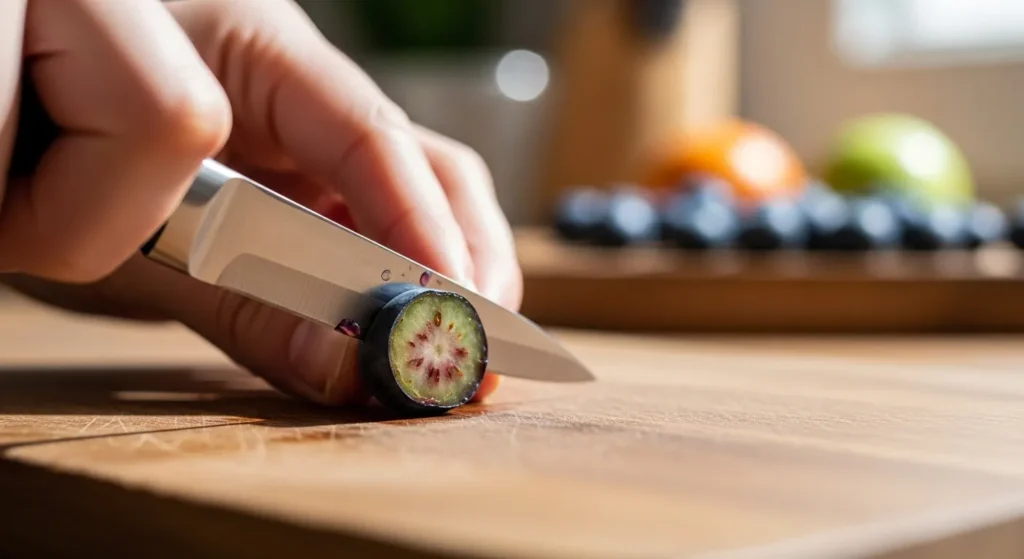
- Cut into Small Pieces: Slice blueberries in half or mash them to prevent choking.
- Start Small: Offer one blueberry to see if your cat likes it and tolerates it well.
- Limit Portions: Stick to 1-2 blueberries per serving, keeping treats under 10% of daily calories.
- Avoid Processed Blueberries: Don’t feed canned blueberries, jams, or baked goods like muffins, as they contain added sugars or harmful ingredients like xylitol.
Check out our Pet Food Safety Checker to confirm if other foods are safe for your cat.
Do Cats Like Blueberries?
Cats lack sweet taste receptors, so they won’t taste the sweetness of blueberries. Some cats may enjoy the texture or juiciness, while others may ignore them. If your cat isn’t interested, don’t force it. Cats are unique, and their preferences vary. For more on why cats behave differently, read our post on why does my cat follow me everywhere.
Other Safe Fruits for Cats
If your cat enjoys blueberries, you might wonder about other fruits. Here are some safe options, all in moderation:
- Apples: Remove seeds and skin; offer small, peeled pieces.
- Bananas: Small slices are okay but high in sugar. See can cats eat bananas.
- Strawberries: Wash and cut into small pieces. Learn more in can cats eat strawberries safely.
- Watermelon: Seedless and rind-free pieces are hydrating. Check out can cats eat watermelon.
Always avoid toxic fruits like grapes, raisins, or citrus fruits, which can cause serious health issues.
People Also Ask: Common Questions About Cats and Blueberries
Here are answers to common questions from Google’s “People Also Ask” section:
Can Cats Eat Blueberry Muffins?
No. Blueberry muffins often contain sugar, butter, or xylitol, which are harmful to cats. Stick to fresh blueberries.
Are Blueberries Good for Cats with Diabetes?
No. The sugar in blueberries can spike blood sugar levels, which is dangerous for diabetic cats. Consult your vet first.
Can Kittens Eat Blueberries?
Kittens have sensitive digestive systems. It’s best to avoid blueberries until they’re older and stick to a kitten-specific diet.
How Many Blueberries Can a Cat Eat?
Limit to 1-2 blueberries per serving, once or twice a week. Treats should not exceed 10% of a cat’s daily calories.
Final Thoughts
Blueberries can be a safe, occasional treat for healthy cats. They offer minor benefits like antioxidants and fiber but should never replace a meat-based diet. Always wash and cut blueberries, serve in small amounts, and monitor your cat for any adverse reactions. If you’re unsure about your cat’s diet or health, consult your veterinarian or use our Pet Symptom Checker for guidance.
For more tips on feeding your cat, check out these related posts: