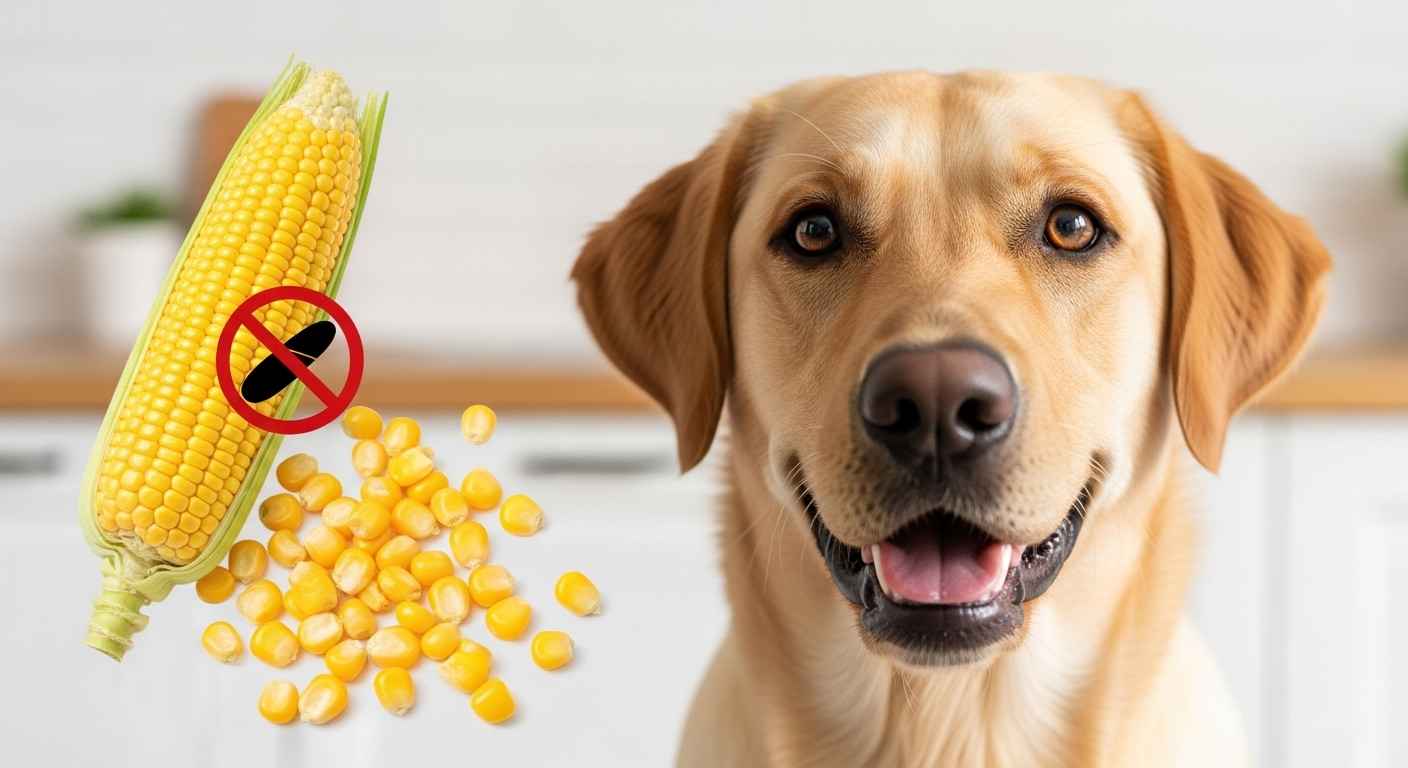
Summer cookouts bring many questions about what foods dogs can safely enjoy. Corn kernels are safe for dogs to eat in small amounts when properly prepared, but the full story involves important safety details every dog owner should understand.
Is Corn Safe for Dogs?
Yes, dogs can eat corn safely. Corn is actually a primary ingredient in many commercial dog foods and provides valuable nutrients when served correctly.
Most veterinary nutritionists agree that corn poses no problems for dogs and can be part of a balanced diet. However, the way you serve corn matters significantly for your dog’s safety.

Nutritional Benefits of Corn for Dogs
Corn offers several health benefits when included in your dog’s diet:
Essential Nutrients
Corn provides protein, carbohydrates, linoleic acid, and antioxidants. These nutrients support:
- Protein synthesis – Building and maintaining muscle tissue
- Energy production – Carbohydrates fuel daily activities
- Coat health – Linoleic acid promotes shiny fur
- Cell protection – Antioxidants fight free radicals
Fiber Content
Corn contains fiber that promotes gut health and proper digestion. This helps maintain regular bowel movements and supports beneficial gut bacteria.
The Corn Cob Danger Zone
Never give your dog corn on the cob. This poses serious health risks that require immediate attention.
Why Corn Cobs Are Dangerous
Corn cobs can cause choking or serious intestinal blockage if swallowed. Dogs often try to eat the entire cob, especially when hungry or excited.
Emergency Warning Signs
Watch for these symptoms if your dog ate a corn cob:
- Repeated vomiting
- Loss of appetite
- Lethargy and reduced activity
- Dehydration
- Diarrhea
- Difficulty defecating
Contact your veterinarian immediately if you notice any of these signs.
Safe Ways to Serve Corn to Dogs
Preparation Guidelines
Follow these steps to safely share corn with your dog:
- Remove all kernels from the cob completely
- Cook the corn thoroughly without seasonings
- Serve plain – no butter, salt, or spices
- Start small – offer just a few kernels initially
- Monitor closely for any digestive upset
Portion Control
Corn should remain an occasional treat, not a meal replacement. A few tablespoons of kernels are sufficient for most dogs.
Different Types of Corn for Dogs
Fresh Corn Kernels
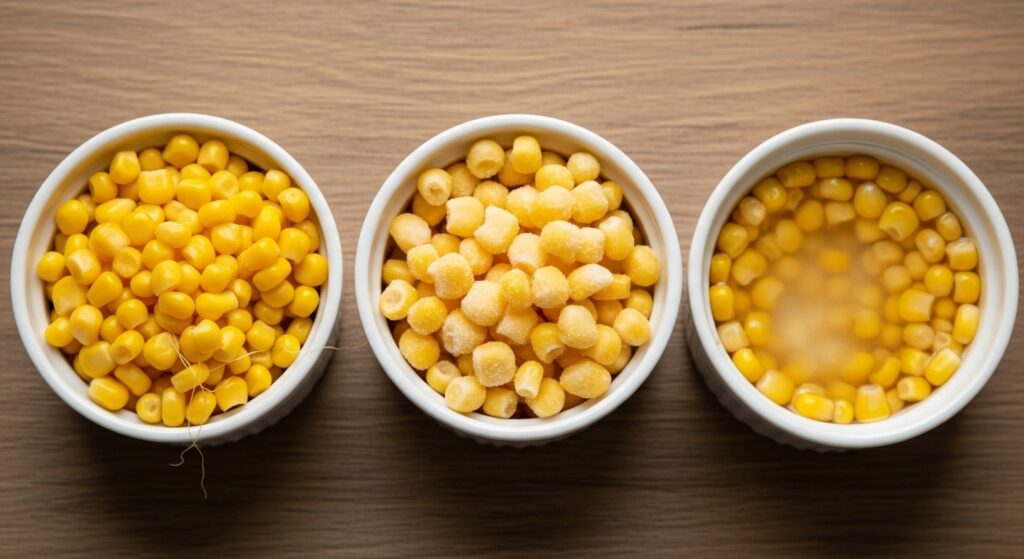
Fresh corn is safe when cooked and served plain. Steam or boil without adding any seasonings.
Frozen Corn
Frozen corn kernels work well as treats. Thaw completely and ensure no ice crystals remain before serving.
Canned Corn
Choose varieties packed in water without added salt or sugar. Rinse thoroughly before serving to remove excess sodium.
What About Popcorn for Dogs?
Plain, air-popped popcorn without salt or butter is safe for dogs occasionally. However, avoid:
- Salted or buttered popcorn
- Flavored varieties
- Unpopped kernels
- Caramel or chocolate-coated options
Corn Allergies in Dogs
Some dogs may develop corn allergies, though this is relatively uncommon. Signs include:
- Skin irritation or itching
- Digestive upset
- Ear infections
- Excessive scratching
If you suspect a corn allergy, consult your veterinarian for proper testing and dietary guidance.
Corn in Commercial Dog Food
Many reputable dog food brands include corn as a main ingredient. Corn provides solid nutrients and is easily digested when properly processed.
Contrary to some myths, corn in dog food serves purposes beyond being a cheap filler. It contributes protein, energy, and essential fatty acids to balanced diets.
Foods to Check Before Sharing
Before sharing other human foods with your dog, verify their safety. Our pet food safety checker helps you quickly determine if specific foods are safe for your pet.
Similar to corn safety, other common foods have specific guidelines:
- Can dogs eat bacon? – Learn about processed meat risks
- Is watermelon good for dogs? – Discover safe fruit options
- Can dogs eat mushrooms? – Understand which varieties are toxic
When to Contact Your Veterinarian
Call your vet immediately if your dog:
- Ate a corn cob (whole or pieces)
- Shows signs of intestinal blockage
- Develops allergic reactions to corn
- Experiences persistent digestive upset after eating corn
Use our pet symptom checker to help assess whether your dog’s symptoms require immediate veterinary attention.
Key Takeaways for Dog Owners
Safe practices:
- Remove corn kernels completely from cobs
- Cook corn plain without seasonings
- Serve in small portions as occasional treats
- Monitor for allergic reactions
Avoid completely:
- Corn on the cob (whole or pieces)
- Seasoned or flavored corn
- Large quantities that could upset digestion
Emergency action:
- Contact your veterinarian immediately if your dog eats corn cobs
- Watch for blockage symptoms: vomiting, lethargy, loss of appetite
Corn can be a safe, nutritious treat for dogs when prepared correctly. The key lies in proper preparation and avoiding the serious dangers of corn cobs. Always prioritize your dog’s safety by following these guidelines and consulting your veterinarian with any concerns.
Remember that treats should never exceed 10% of your dog’s daily caloric intake. Focus on providing a balanced diet appropriate for your dog’s age, size, and activity level.