

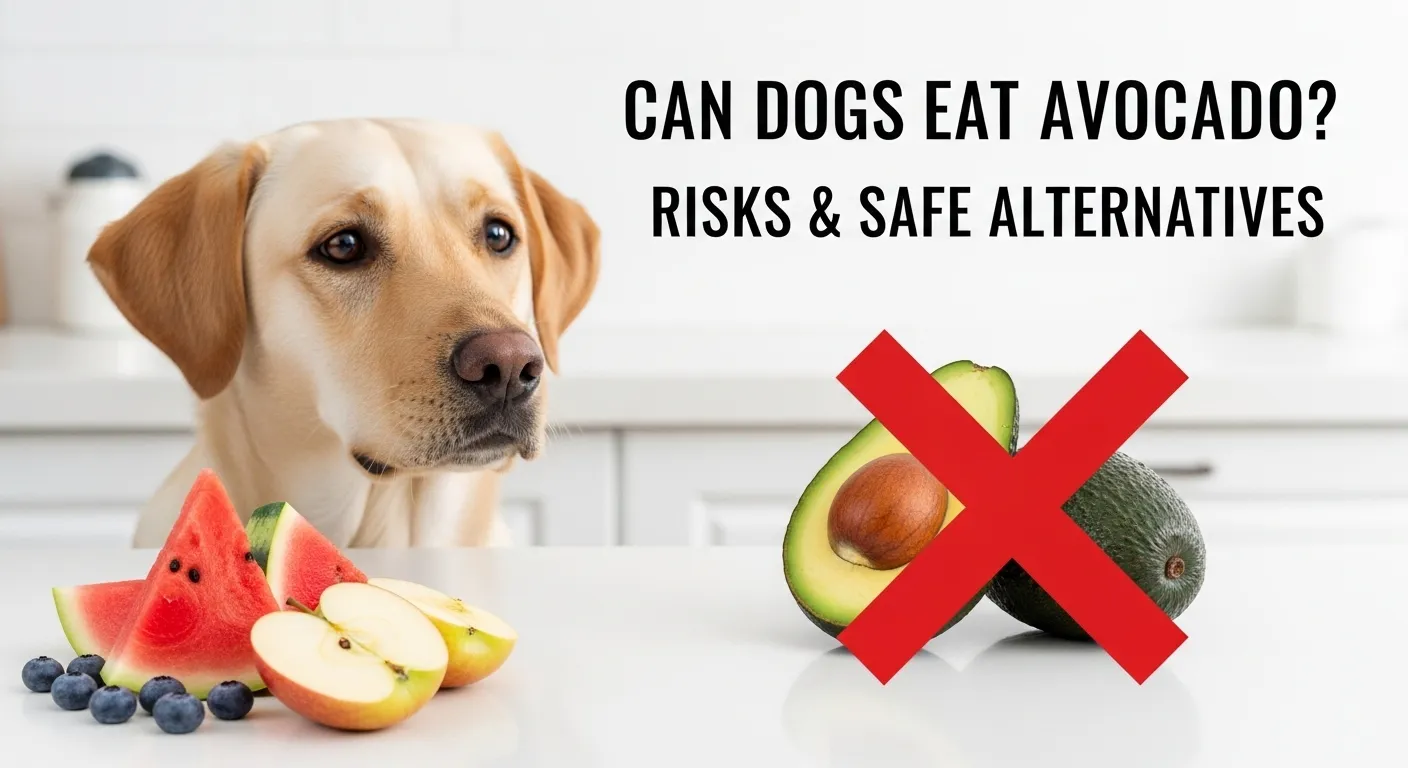
Many dog owners wonder if avocados are safe to share. The short answer is no. Avocados carry risks for dogs. Small bits of flesh might not harm most dogs. But other parts can cause problems. This guide covers the facts. Use our Pet Food Safety Checker to check other foods.
Is Avocado Safe for Dogs?
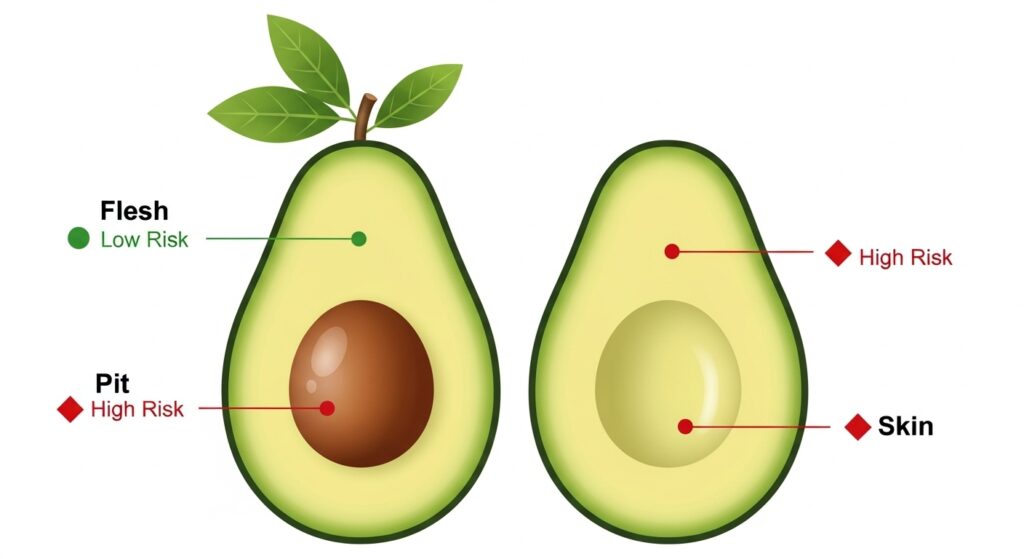
Avocados come from trees. They contain a toxin called persin. Persin harms some animals more than others. Dogs show more resistance to persin. But it still poses risks. The flesh has the least persin. Skin, pit, leaves, and bark have more. Vets advise against feeding any part to dogs. Small dogs face higher risks from fat content.
Potential Benefits of Avocado for Dogs
Avocado flesh offers some nutrients. It has vitamins like C, E, and K. It also provides potassium and magnesium. These support bone health and energy. Omega-3 fatty acids help skin and coat. But these come from other safe foods too. Bananas give potassium without risks. Check our post on what fruits can dogs eat for better options.
Risks and Dangers of Feeding Avocado to Dogs
Avocados can cause health issues in dogs. Here are the main concerns.
The Toxin Persin
Persin acts as a natural antifungal in avocados. It causes vomiting and diarrhea in dogs if too much is eaten. Levels vary by avocado type. Guatemalan varieties have less. But all types carry some risk.
High Fat Content
Avocados are rich in fat. This can upset a dog’s stomach. It may lead to pancreatitis, which inflames the pancreas. Signs include pain and loss of appetite. Dogs with past pancreas issues face more danger.
Choking and Blockage from the Pit
The pit is hard and large. Dogs may choke on it. If swallowed, it can block the intestines. Surgery might be needed to remove it. Skin and leaves add to toxin risks.
Signs Your Dog May Have Eaten Too Much Avocado
Watch your dog after they eat avocado. Common signs include:
- Vomiting that lasts more than a few hours.
- Diarrhea for over a day.
- Pain in the belly, shown by whining or guarding the area.
- Low energy or not wanting to move.
- Not eating food.
These can start within 24 to 48 hours. Use our Pet Symptom Checker if you see these.
What to Do If Your Dog Eats Avocado
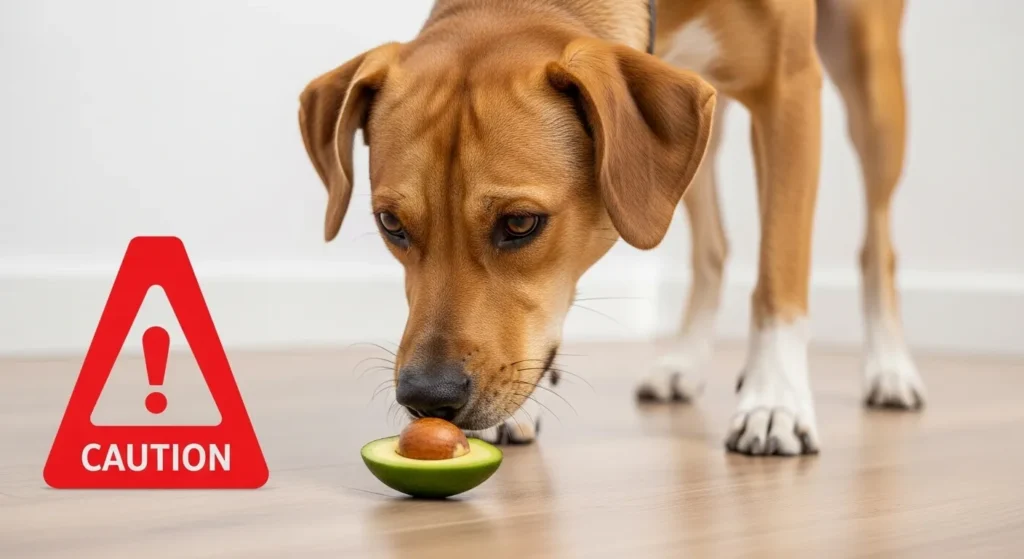
Stay calm first. Note what part they ate and how much. For small flesh amounts, watch for signs. Call your vet if symptoms appear. For pit, skin, or leaves, contact the vet right away. They may suggest poison control. Do not make your dog vomit without vet advice. Take your dog to the clinic if they struggle to breathe or strain to poop.
Safe Fruits for Dogs Instead of Avocado
Dogs can enjoy many fruits safely. Here are some:
- Blueberries for antioxidants.
- Watermelon without seeds for hydration. Read more in is watermelon good for dogs.
- Apples with core removed.
- Bananas in small pieces.
Always cut fruits small. Avoid grapes and raisins, which are toxic. Try our Pet Compatibility Checker if you have multiple pets sharing treats.

Frequently Asked Questions
What Happens If a Dog Eats Avocado?
Small flesh bits often cause no issues. But watch for upset stomach. Larger amounts or other parts need vet care.
How Much Avocado Is Toxic to Dogs?
No set amount is safe. Even small bits risk fat-related problems. Avoid all to be safe.
Can Dogs Eat Guacamole?
No. It has onions, garlic, and salt, which harm dogs. Plus the avocado risks.
Is Avocado Oil Safe for Dogs?
It lacks persin but has high fat. It can cause pancreatitis. Skip it.
Can Dogs Eat Avocado Skin or Pit?
No. Skin has more toxin. Pit causes choking or blocks.
For more on dog foods, see can dogs eat broccoli or can dogs eat mushrooms. If naming your dog, try our Pet Name Generator.