

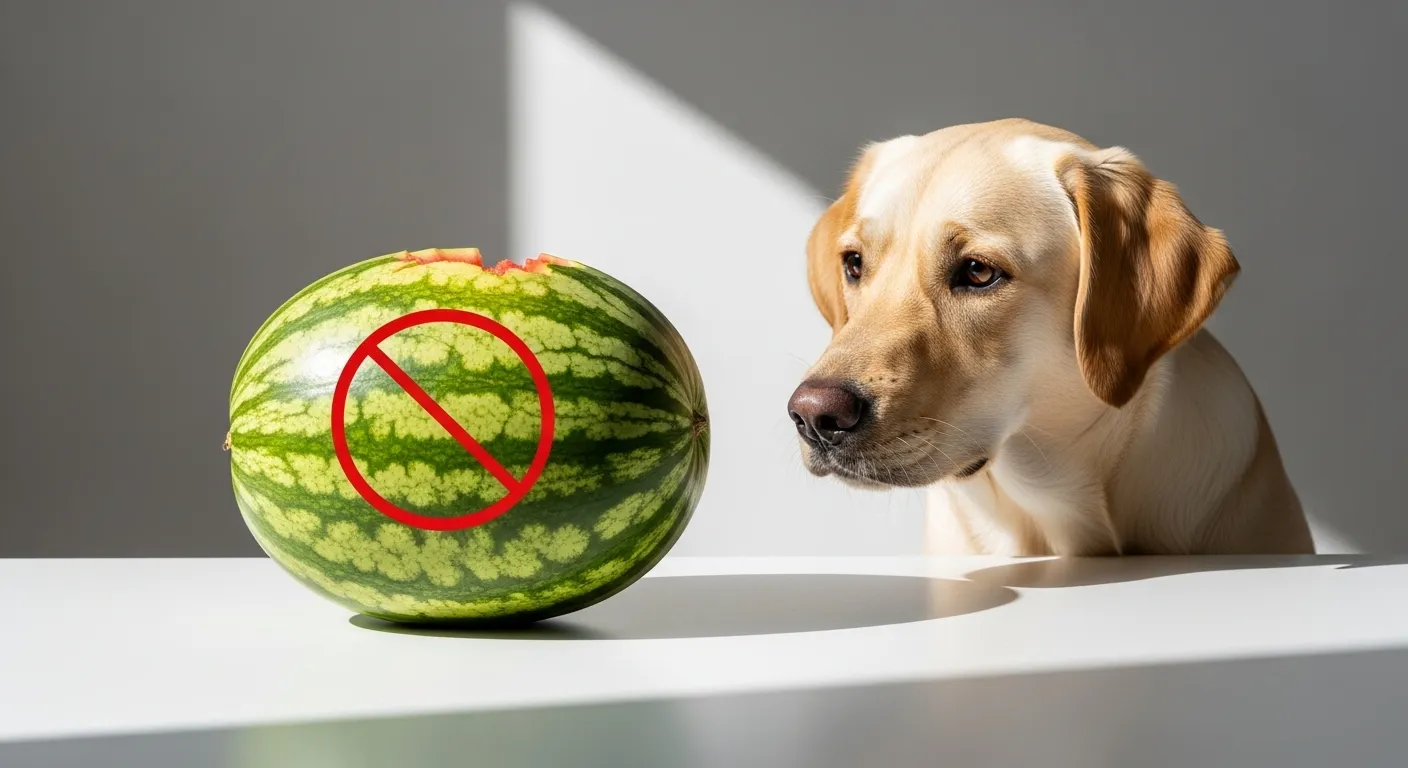
Watermelon is a refreshing summer treat, but can dogs eat watermelon rind? While the juicy flesh is safe for dogs, the rind poses risks. This guide covers why watermelon rind is unsafe, what to do if your dog eats it, and how to safely share watermelon with your pet.
Why Watermelon Rind Is Unsafe for Dogs
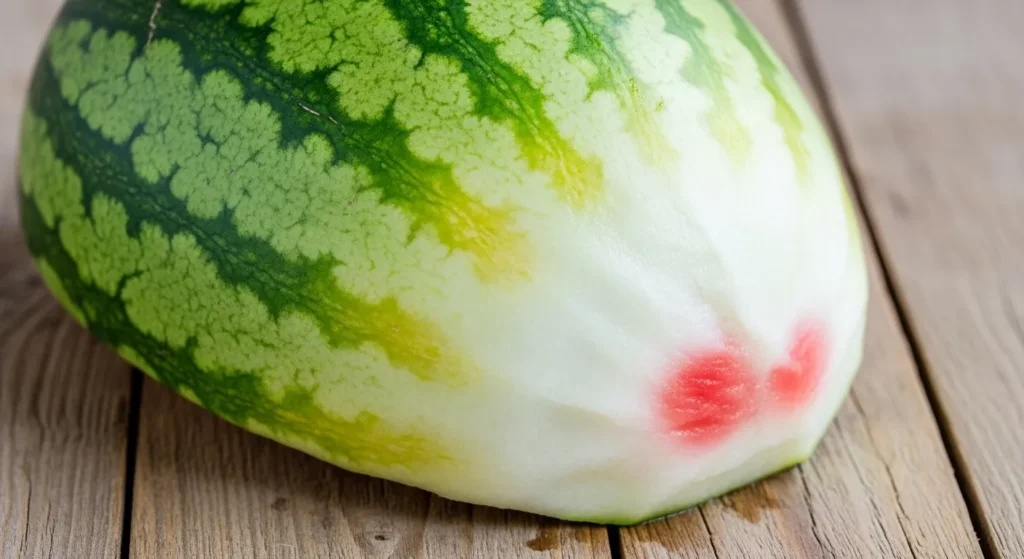
Watermelon rind, the tough green outer layer and white inner part, is not safe for dogs. It’s not toxic, but it can cause health issues. Here’s why:
- Hard to Digest: The rind’s fibrous texture is tough for dogs to break down, leading to stomach upset, vomiting, or diarrhea.
- Choking Hazard: The rind’s firmness makes it hard to chew, especially for small dogs, increasing choking risks.
- Intestinal Blockage: Swallowing large pieces can block the digestive tract, which may require surgery.
- Pesticide Residue: Rinds may carry chemicals from farming, which can harm dogs if not washed thoroughly.
If you’re wondering about other fruits, check our What Fruits Can Dogs Eat? guide for safe options.
Is Watermelon Flesh Safe for Dogs?
Yes, watermelon flesh is safe for dogs when prepared properly. It’s low in calories, high in water (92%), and packed with nutrients like vitamins A, B6, C, and potassium. However, follow these precautions:
- Remove Seeds: Seeds can cause choking or intestinal blockages, especially in small dogs.
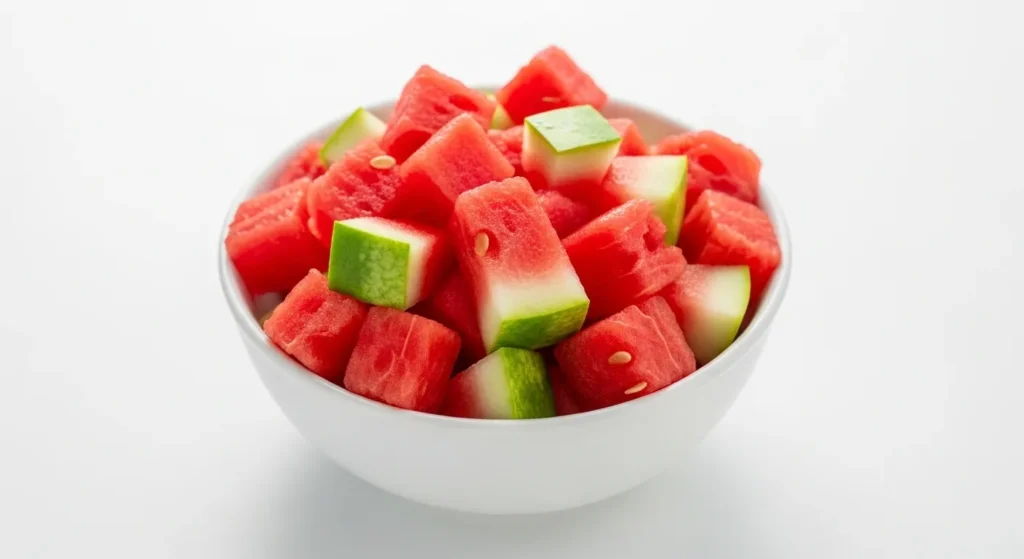
- Cut into Small Pieces: Bite-sized chunks (about 1-inch cubes) prevent choking.
- Moderation is Key: Treats should be less than 10% of your dog’s daily calories to avoid weight gain or digestive issues.
- Avoid Sugary Products: Skip watermelon-flavored candies or juices with added sugars or xylitol, which is toxic to dogs.
For more on safe pet foods, try our Pet Food Safety Checker to ensure your dog’s diet is healthy.
What Happens If Your Dog Eats Watermelon Rind?
If your dog eats watermelon rind, don’t panic. A small piece may pass without issue, but monitor for these symptoms:
- Vomiting
- Diarrhea
- Lethargy
- Abdominal pain
- Loss of appetite
These signs could indicate digestive upset or a blockage, especially if your dog ate a large piece. Contact your vet immediately if symptoms appear or persist beyond 24 hours.
What to Do If Your Dog Eats Watermelon Rind
- Check for Choking: If your dog is coughing or gagging, try to remove the rind carefully. Seek emergency vet care if you can’t.
- Monitor Symptoms: Watch for vomiting, diarrhea, or discomfort for 24-48 hours.
- Call Your Vet: If your dog shows signs of distress or you’re unsure how much rind they ate, consult a veterinarian.
- Provide Water: Ensure your dog has access to fresh water to aid digestion.
- Avoid Inducing Vomiting: Only induce vomiting if instructed by a vet.
Use our Pet Symptom Checker to track and assess your dog’s symptoms.

How to Safely Feed Watermelon to Your Dog
To share watermelon safely, follow these steps:
- Wash the Fruit: Remove dirt and pesticides from the watermelon’s surface.
- Remove Rind and Seeds: Cut away the green and white rind and scoop out all seeds.
- Cut into Small Chunks: Slice the flesh into 1-inch pieces for easy chewing.
- Serve in Moderation: Offer a few pieces as a treat, not a meal replacement.
- Try Fun Variations:
For more safe fruit ideas, read our Can Dogs Eat Cantaloupe? or Can Dogs Eat Pineapple? posts.
Health Benefits of Watermelon for Dogs
When prepared correctly, watermelon offers these benefits:
- Hydration: Its high water content helps keep dogs cool in hot weather.
- Nutrients: Provides vitamins A, B6, C, and potassium for immune and muscle health.
- Low Calories: At 45 calories per cup, it’s a healthy treat for overweight dogs.
- Fiber: Supports digestion when given in small amounts.
Check our Can Dogs Eat Watermelon? guide for more details on watermelon benefits.
People Also Ask: Common Questions Answered
Can Puppies Eat Watermelon Rind?
No, puppies should not eat watermelon rind. Their digestive systems are more sensitive, increasing risks of choking or blockages. Stick to small, seedless watermelon pieces.
Is Watermelon Rind Toxic to Dogs?
Watermelon rind is not toxic but can cause choking, blockages, or stomach upset. Always remove it before feeding watermelon to your dog.
Can Dogs Eat Seedless Watermelon?
Yes, seedless watermelon is safer since it lacks hard black seeds. Still, remove any soft white seeds and the rind.
What Other Fruits Are Safe for Dogs?
Safe fruits include apples (no seeds), bananas, blueberries, and strawberries. Always remove pits, seeds, and tough skins. See our What Fruits Can Dogs Eat? for a full list.
Tips to Prevent Your Dog from Eating Watermelon Rind
- Store Safely: Keep watermelon rinds in a secure trash bin or compost pile your dog can’t access.
- Supervise Snacking: Watch your dog during outdoor events where watermelon is served.
- Educate Family: Ensure everyone knows not to give rinds to your dog.
- Offer Safe Alternatives: Provide dog-safe treats to distract from human food. Try our Pet Food Safety Checker for ideas.
When to Consult a Veterinarian
Contact a vet if your dog:
- Eats a large amount of rind.
- Shows signs of choking, vomiting, or lethargy.
- Has a history of digestive issues or allergies.
Use our Pet Symptom Checker to monitor symptoms and decide when to seek help. For emergencies, call your vet immediately.
Conclusion
Watermelon rind is unsafe for dogs due to its tough texture, choking risks, and potential for blockages. Stick to the juicy flesh, remove seeds and rind, and serve in moderation. By following these tips, you can safely share watermelon with your dog as a healthy treat. For more pet care advice, try our Pet Breed Finder Quiz or Pet Age Calculator to learn more about your dog’s needs.