
Cats often eye human foods like bread, leaving owners curious if it’s safe to share. This guide provides vet-backed facts on whether cats can eat bread, when it’s okay, and when to avoid it. Read on for clear, actionable advice to keep your feline friend healthy.
Is Bread Safe for Cats?
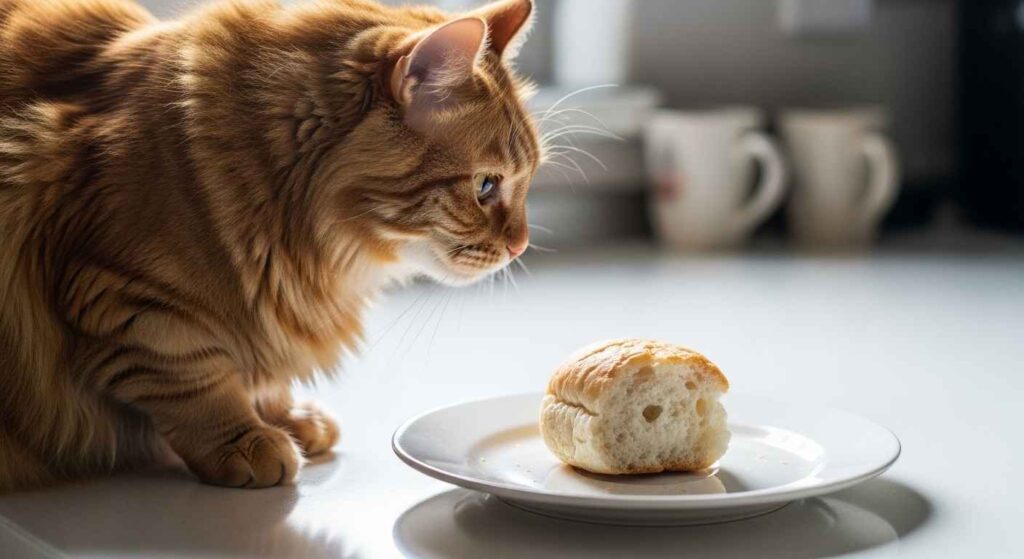
Plain, baked bread is not toxic to cats. They can have small pieces as an occasional treat. However, bread lacks the nutrients cats need, like protein from meat. Cats are obligate carnivores, meaning their diet should focus on animal-based foods. Bread offers empty calories and can lead to weight gain if given too often.
- Safe in moderation: A tiny crumb of plain white or wheat bread is fine.
- Not a staple: Bread should not replace balanced cat food.
- Check with vet: If your cat has diabetes or other health issues, consult your vet before offering bread.
For more on safe foods for your cat, try our pet food safety checker.
Risks of Feeding Bread to Cats
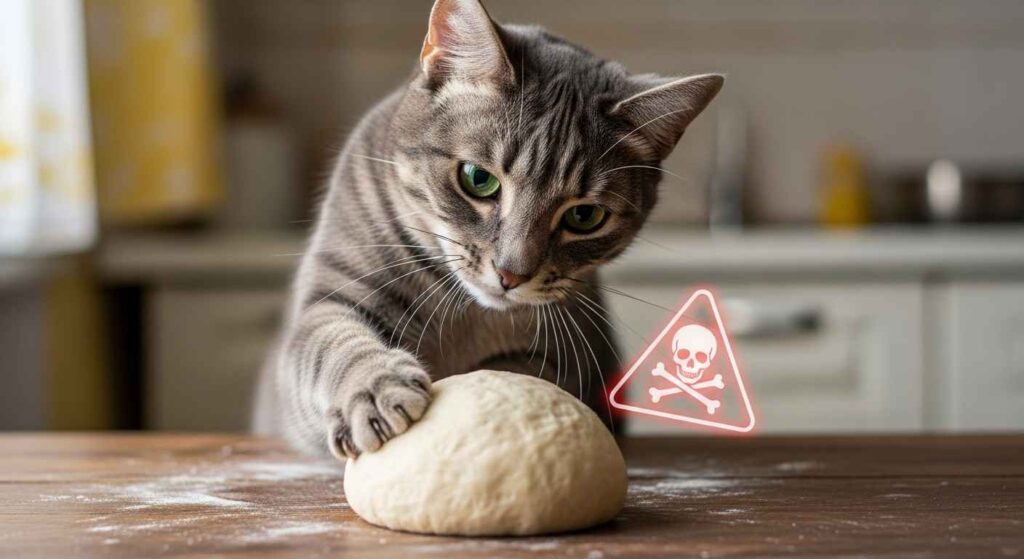
While plain bread is generally safe in small amounts, certain types pose risks. The biggest danger is raw bread dough. Yeast in raw dough causes it to rise in a cat’s warm stomach, leading to painful bloating or even life-threatening conditions like gastric torsion. Yeast also produces ethanol alcohol, which can cause seizures, breathing issues, or alcohol poisoning. If your cat eats raw dough, contact your vet immediately.
Other risks include:
- Toxic ingredients: Bread with garlic, onions, raisins, or chocolate is harmful. Garlic and onions can damage red blood cells, leading to anemia. Raisins may cause kidney failure.
- High-fat toppings: Butter, peanut butter, or cheese spreads can upset a cat’s stomach or cause diarrhea.
- Overeating: Too much bread fills cats up, reducing their appetite for nutritious cat food.
If you notice vomiting, diarrhea, or lethargy after your cat eats bread, use our pet symptom checker to assess the situation. For related reading, check out can cats eat cheese or can cats eat peanut butter.
Benefits of Bread for Cats
Bread provides no significant health benefits for cats. It’s mostly carbohydrates, which cats don’t need. Their diet should focus on meat for essential nutrients like taurine and arginine. Some cats enjoy bread’s texture or yeast flavor, which may explain their interest. In rare cases, plain bread can be used to hide medication, but ask your vet for better options, as cats may detect and refuse pills in bread.
Instead of bread, prioritize high-quality cat food. For more on feline nutrition, see what fruits can cats eat.
Types of Bread Cats Can Try
Not all breads are equal for cats. Stick to plain varieties and avoid flavored or enriched ones. Here’s a breakdown:
Safe Types
- White bread: Safe in tiny amounts, no additives.
- Wheat bread: Fine if plain, but check for seeds or grains that might upset digestion.
Unsafe Types
- Garlic bread: Contains toxic garlic, which can cause anemia.
- Banana bread: Often includes sugar, nuts, or cinnamon, which are harmful.
- Raisin bread: Raisins are toxic and can lead to kidney issues.
- Sweet breads: High sugar or spices like nutmeg can cause vomiting or worse.
Always check ingredient labels before sharing. For more on safe treats, explore can cats eat watermelon.
How Much Bread Can Cats Have?
Portion control is key. A small crumb (about 1/4-inch square) once or twice a week is enough. A single slice of white bread contains about 20% of a cat’s daily calorie needs, which is too much. Overfeeding bread can lead to obesity, especially in indoor cats.
- Guideline: Treats, including bread, should be less than 10% of a cat’s daily calories.
- Tip: Cut bread into tiny pieces to avoid overfeeding.
- Monitor: Watch for begging behavior and redirect with toys or play.
To understand your cat’s age-related needs, try our pet age calculator.
What If My Cat Ate Too Much Bread?
If your cat snags a small piece of plain baked bread, it’s usually fine. Monitor for signs of digestive upset, like vomiting or diarrhea. If they ate raw dough or bread with toxic ingredients (e.g., garlic, raisins), act fast:
- Estimate how much they ate.
- Check for symptoms like bloating, lethargy, or trouble walking.
- Call your vet or a pet poison hotline immediately.
Quick response is critical. For more on cat emergencies, read how long can cats go without eating.
Better Treats Than Bread
Instead of bread, offer cat-safe alternatives that align with their nutritional needs. Try these:
- Cooked meat: Small bits of plain chicken or turkey.
- Cat treats: Commercial treats designed for feline health.
- Tuna: A tiny flake of tuna in water (no salt or oil).
These options provide protein without unnecessary carbs. For breed-specific diet tips, take our pet breed finder quiz.
For a list of toxic foods, visit the ASPCA’s toxic food guide.
Why Do Cats Like Bread?
Cats may be drawn to bread’s yeast smell or chewy texture. Some experts suggest cats crave carbs due to dietary gaps, especially in strays or cats on restricted diets. However, this doesn’t mean bread is good for them. Stick to meat-based foods for their health.
Learn more about cat behavior in why does my cat lick me or why do cats knead.
People Also Ask
Can kittens eat bread?
Kittens can have tiny bits of plain bread, but it’s not recommended. Their growing bodies need nutrient-rich cat food, not carbs. Consult your vet first.
Is gluten-free bread safe for cats?
Gluten-free bread is safe if plain and given in small amounts. Check for toxic additives like xylitol or raisins. Most cats don’t have gluten allergies, but some may react to grains.
Can bread cause allergies in cats?
Rarely, cats may be allergic to wheat or other grains in bread. Watch for itching, vomiting, or diarrhea. If suspected, use our pet symptom checker and see a vet.
What human foods are safe for cats?
Safe options include plain cooked chicken, turkey, or fish. Avoid seasoned or processed foods. Check what fruits can cats eat for more ideas.
Final Thoughts
Bread is not a necessary or beneficial food for cats. Offer it sparingly, if at all, and stick to plain varieties. Focus on a meat-based diet to keep your cat healthy. Always consult your vet before introducing new foods, especially for cats with health conditions.
Planning to add a new pet? Use our pet compatibility checker to ensure harmony. For fun, try our pet name generator to find the perfect name for your feline friend.