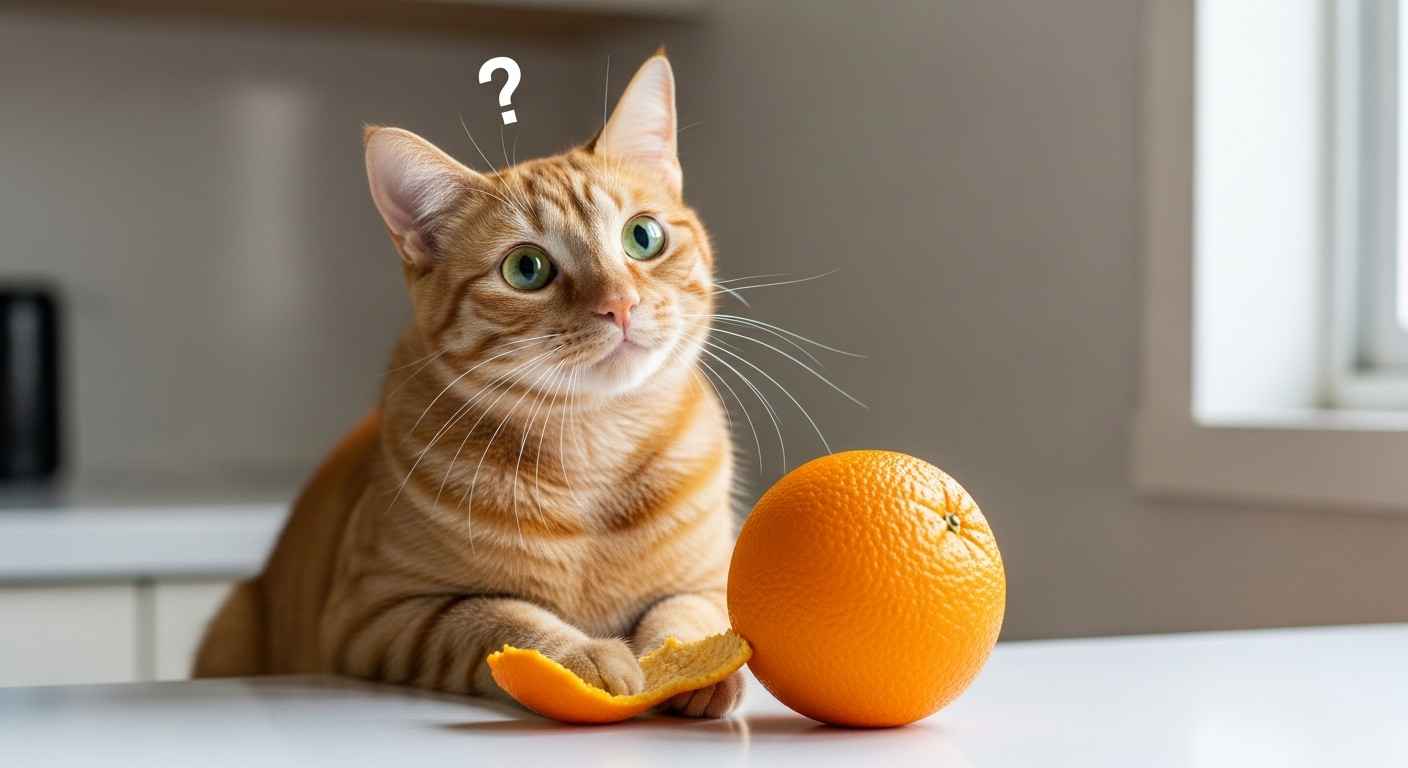
Cats often show interest in human food. Oranges look bright and smell strong. But are they safe for cats? No. Oranges harm cats. This guide covers why. It lists risks. It gives steps if your cat eats one. It shares safe options too.
Why Oranges Harm Cats
Oranges belong to the citrus group. All citrus fruits pose risks to cats. Cats must eat meat. Their bodies handle meat well. Plant foods like fruit can cause problems.
Toxic Parts in Oranges
Oranges have compounds that hurt cats. These include essential oils. Limonene and linalool sit in the peel. They upset the stomach. They affect the nervous system too.
Psoralens hide in the peel and seeds. They make skin sensitive to light. This leads to burns or rashes.
Citric acid fills the fruit. It irritates the gut. Cats feel pain from it.
The whole orange causes issues. Peel holds the most toxins. Flesh has less. But even flesh brings high sugar. Cats process sugar poorly. It leads to weight gain or other health woes.
No Health Gains for Cats
People eat oranges for vitamin C. Cats make their own vitamin C. They need no extra. Fiber in oranges helps humans. But cats get little use from it. Their short guts suit meat, not plants.
Sugar in oranges spikes blood levels. This risks diabetes in cats.
Signs Your Cat Ate an Orange
Most cats avoid oranges. The smell turns them off. But some cats try a bite. Watch for these signs.
- Vomiting
- Diarrhea
- Drooling
- Weakness
- Shaking
- Skin redness
Small bites may cause mild upset. Larger amounts bring worse effects. Peel or seeds raise the danger.
If signs show, act fast. Call your vet. Or reach the ASPCA Animal Poison Control at (888) 426-4435. They work all day.
What to Do If Your Cat Eats an Orange
Stay calm. Note how much they ate. Check which part. Tell the vet this info.
Vets may suggest watching at home for mild cases. Or they may induce vomiting. Fluids help if dehydrated.
Recovery happens quick with care. Most cats bounce back in days.
Prevent issues. Keep oranges high up. Use bins with lids for peels.
For food doubts, try our pet food safety checker. It scans items fast.
Safe Fruits Cats Can Try
Skip oranges. Offer these instead. Give small bits only. Treats stay under 10% of diet.
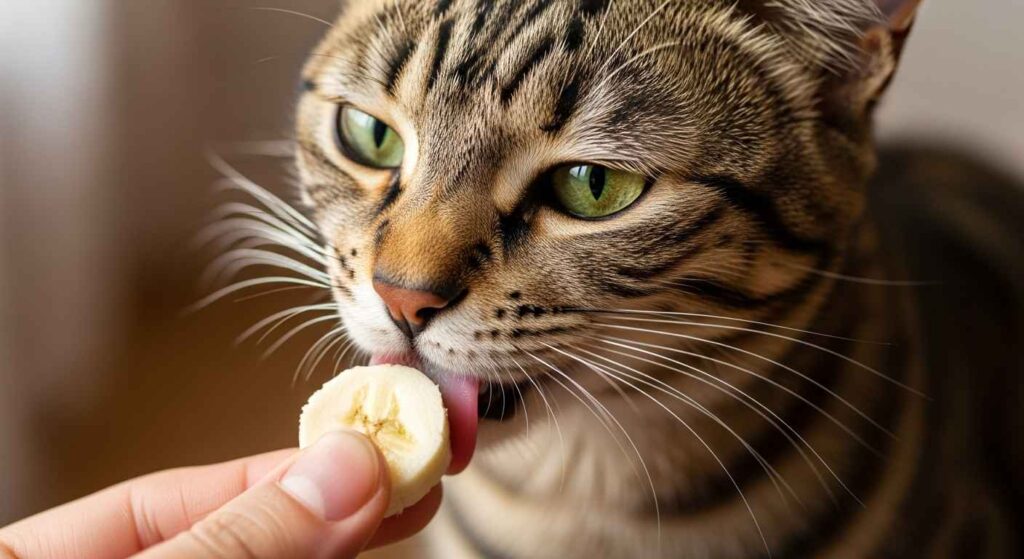
- Bananas: Soft and mild. Peel first. Read more in can cats eat bananas.
- Strawberries: Fresh and seed-free. See can cats eat strawberries safely.
- Blueberries: Full of good stuff. Wash well.
- Apples: Core out. No seeds.
Avoid grapes and raisins. They harm kidneys.
Wonder what else works? Take our pet breed finder quiz for tailored tips.

Common Questions About Cats and Oranges
Many ask these. Here are answers.
Can Cats Eat Mandarin Oranges?
No. They match regular oranges in toxins. Skip all types.
Can Cats Drink Orange Juice?
No. Juice has acid and sugar. It lacks fiber but keeps toxins.
Do Cats Like Orange Smell?
Most hate it. They stay away. Some use peels to keep cats off spots.
What If My Cat Licks an Orange?
A lick may do nothing. Watch for upset. Call vet if signs appear.
Are Other Citrus Fruits Bad?
Yes. Lemons, limes, and grapefruits harm too.
For more on fruits, check what fruits can cats eat.
How Long Can Cats Go Without Food?
Cats need steady meals. Oranges offer no help. If your cat skips food, see why. Read how long can cats go without eating.
Use our pet symptom checker for quick checks.
Keep Your Cat Healthy
Feed meat-based food. Add safe treats rarely. Watch what they eat.
Name your cat something fun. Try our pet name generator.
For dog owners, see can dogs eat bacon.
Link to ASPCA for more toxic lists: ASPCA Toxic Plants.
This info comes from vet sources.